What Community Tourism Looks Like in Cambodia
Inside the Planeterra Community Tourism Network
Cambodia

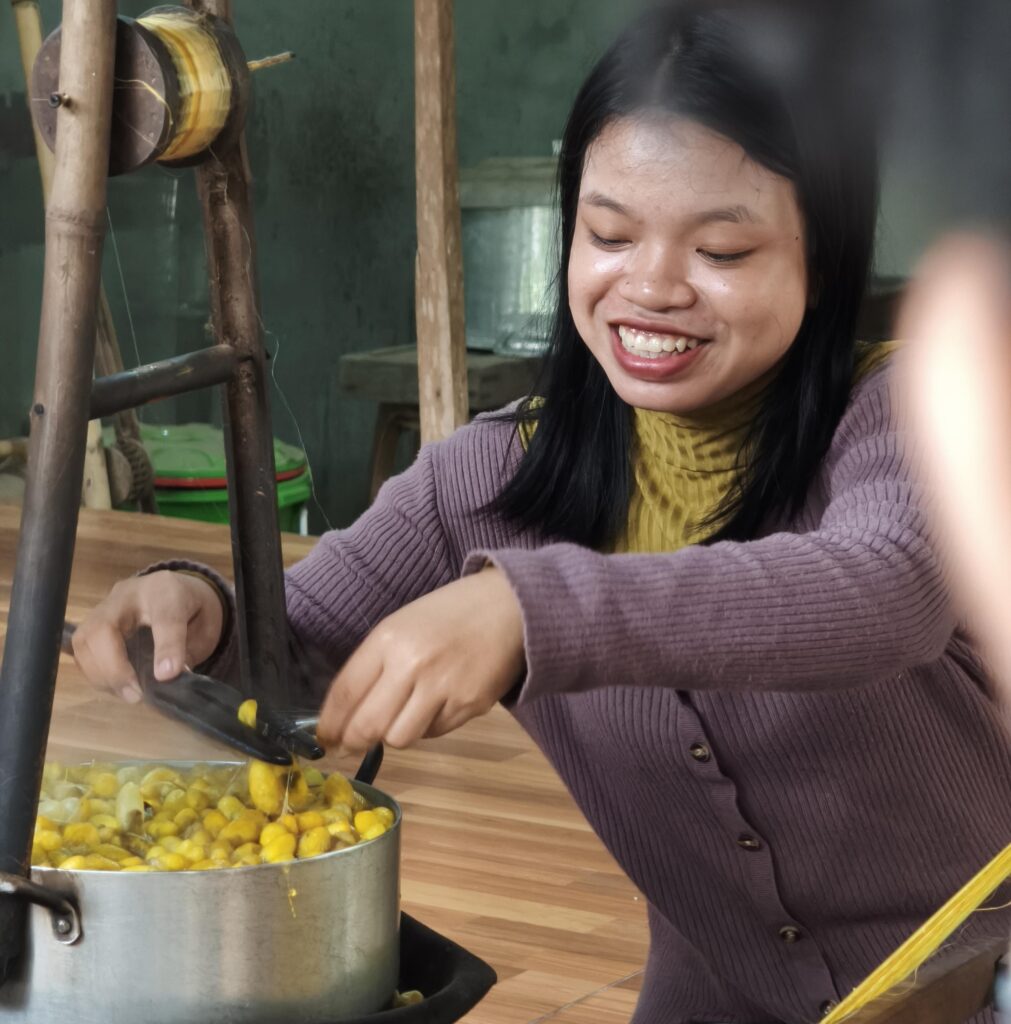
Community Tourism can look very different from one place to another.
It can be a woman weaving silk that has been part of her family’s knowledge for generations. It can be a young person developing hospitality skills while working with real guests. It can be a professional artist building a career through performance, a cyclo driver connecting visitors with Phnom Penh, or a boat operator sharing a community’s relationship with Tonle Sap.
It can happen in a restaurant, a craft workshop, a forest, a heritage site, a floating village or on the streets of a city.
In Cambodia, these different stories come together through the Planeterra Community Tourism Network.
The Network brings together organizations working across different parts of the tourism ecosystem, from hospitality and transportation to arts, crafts, heritage, conservation, inclusive employment and community-based experiences.
They are different organizations with different goals, people and approaches.
What connects them is the opportunity to connect existing community work with the tourism industry.
Meet the Planeterra Community Tourism Network in Cambodia
Across the Network, organizations are using tourism in different ways, from creating livelihoods and developing skills to connecting cultural heritage, inclusive businesses and environmental stewardship with tourism opportunities.
Women, skills and livelihoods
📍Silk Island Community Centre (Phnom Penh): Connecting generations of silk-weaving knowledge with visitors and tourism markets. The center works with around 330 women, including weavers based at the center and artisans working from their homes.
📍Tuk Tuk Lady Driver Association (Siem Reap): A network of women tuk-tuk drivers building professional livelihoods through tourism and providing transportation services to visitors.

📍Lotus Silk Farm (Rural Cambodia): Turning lotus flowers into textiles while creating opportunities for rural women through weaving, fair wages and Fair Trade training.
📍Rokhak Women Handicraft (Siem Reap)
Training rural women to turn dried water hyacinth into woven products while addressing an invasive plant affecting local waterways.
📍Women Tourist Remorque Drivers (Siem Reap): An association of women drivers providing transportation for visitors while creating income opportunities and maintaining an emergency hardship fund from passenger fares.
Youth, skills and hospitality
📍SPOONS Cambodia (Siem Reap): A hospitality training program where students develop professional and life skills while gaining practical experience in a functioning restaurant.

📍New Hope (Siem Reap): Combining education and hospitality training, including barista and baking apprenticeships connected to its restaurant.
📍Friends The Restaurant (Phnom Penh): A social enterprise near the National Museum where young people develop professional culinary and hospitality skills through practical restaurant experience.
📍Marum (Siem Reap): A garden restaurant and training environment where young people develop hospitality skills while working in a functioning restaurant.
📍Haven Cambodia (Siem Reap): A training restaurant where young adults develop kitchen, front-of-house and life skills through practical hospitality experience.
📍Sala Baï School (Siem Reap): A free hospitality school that has trained more than 2,200 people over 24 years, preparing students for careers across the hospitality industry.
📍Bayon Education & Development (Cambodia): Providing education opportunities for students while connecting its Siem Reap coffee shop with pastry training for young women.
Culture, creativity and heritage
📍Phare Circus & School (Siem Reap): Combining arts education, vocational training and professional performance, creating opportunities for Cambodian artists and students to develop skills and careers through the arts.

📍Sambor Prei Kuk (Cambodia): Connecting a UNESCO World Heritage Site with community tourism opportunities including guiding, homestays, food, crafts and transportation.
📍Cyclo Conservation & Careers Association (Phnom Penh): Connecting Phnom Penh’s iconic cyclos with livelihoods for drivers while helping keep this distinctive form of urban transport part of the city’s heritage.
📍Epic Arts (Kampot): An inclusive arts organization and café connecting tourism with disability inclusion, creative expression and opportunities in the arts.
Communities and the environment
📍Kampong Phlouk (Siem Reap): A lakeside community shaped by life on Tonle Sap, where tourism creates additional opportunities for community members while the community continues to care for the environment it depends on.

📍Osmose (Tonlé Sap Lake): Working with floating-village communities to develop ecotourism and craft activities connected to the protection of flooded forests.
📍Chambok Ecotourism (Kampong Speu): A community tourism initiative connecting forest landscapes with guided walks, waterfalls, homestays and opportunities for local families.
📍Chi Phat Ecotourism (Cardamom Mountains): An ecotourism destination offering activities such as cycling, kayaking and homestays while connecting tourism with the surrounding natural environment.
📍Hanchey Bamboo Resort (Kampong Cham): An eco-resort built around Buddhist values that connects guest stays with local education and hospitality opportunities.
Inclusive enterprise, crafts and markets
📍VillageWorks (Phnom Penh): An inclusive social enterprise connecting artisans, sustainable materials and product development with wider markets.
📍ANON (Cambodia): Creating products from discarded materials while developing sustainable employment opportunities for women craft makers.
📍La Plantation (Kampot): A Fair Trade pepper farm connecting agriculture, tourism and local employment while contributing to community priorities.
📍Ripple Effect Rides (Siem Reap): A cycling operator connecting travellers with Cambodia while directing part of its ticket revenue toward local NGOs and encouraging riders to raise funds independently.
One Network, many stories
Across Cambodia, Network members are connecting tourism with livelihoods, skills, culture, inclusion and the environment in different ways.
There is no single model for Community Tourism. Each organization brings its own knowledge, priorities and ambitions.
Together, they show the many ways tourism can create opportunities around work that already exists.
