
Precious Phyllis Apolot

A Journey into Community Tourism in Southern Albania

Written by Loneta Progni, Journalist
What I learned from gliko, wool, and the warmth of locals

I’ve always believed that travel has the power to change us, but I didn’t expect this trip to southern Albania to shift my perspective so deeply. I joined a familiarization trip organized by Planeterra and their travel partner, Evaneos to explore what community tourism can look like when it’s done with real intention and engagement.

Trips like this come to life thanks to collaboration between community leaders, local DMCs, and organisations like Planeterra and Evaneos, who work to support and strengthen locally led tourism experiences.

And let me tell you: it was eye-opening.

For two full days, I had the chance to step into workshops, kitchens, living rooms, and traditions that many travelers never see, not because they aren’t there, but because they haven’t been given space to shine. That’s exactly what this initiative does: it gives communities the chance to share their craft, their stories, and their heritage in ways that support their economy and keep their identity alive.
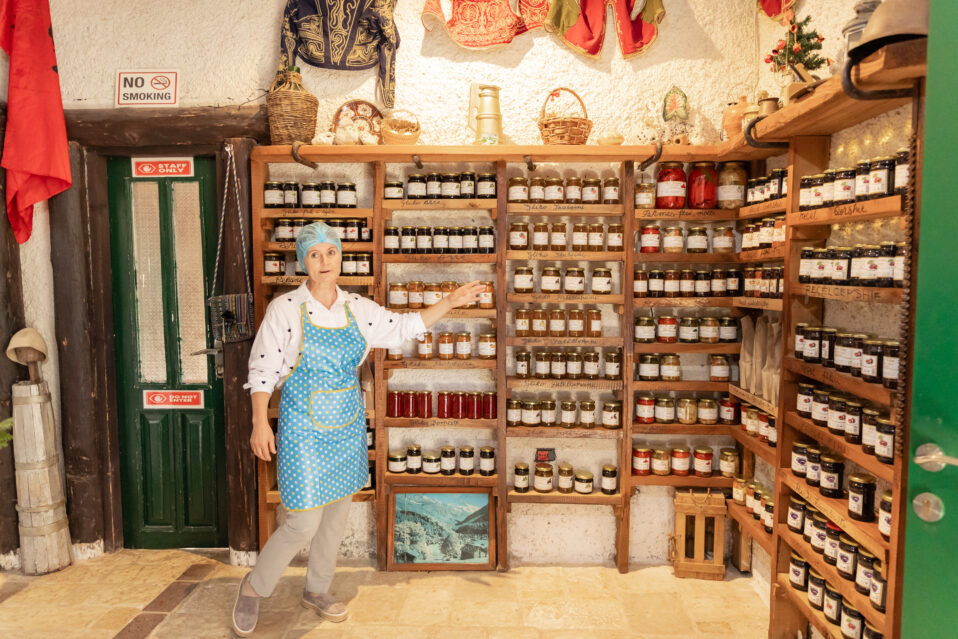
ProPermet, Albania, Gliko workshop | Photo Credits: Edvin Rushitaj
Day 1: Stirring sweet memories in Përmet

Përmet taught me about flavor, and tradition served on a small plate.

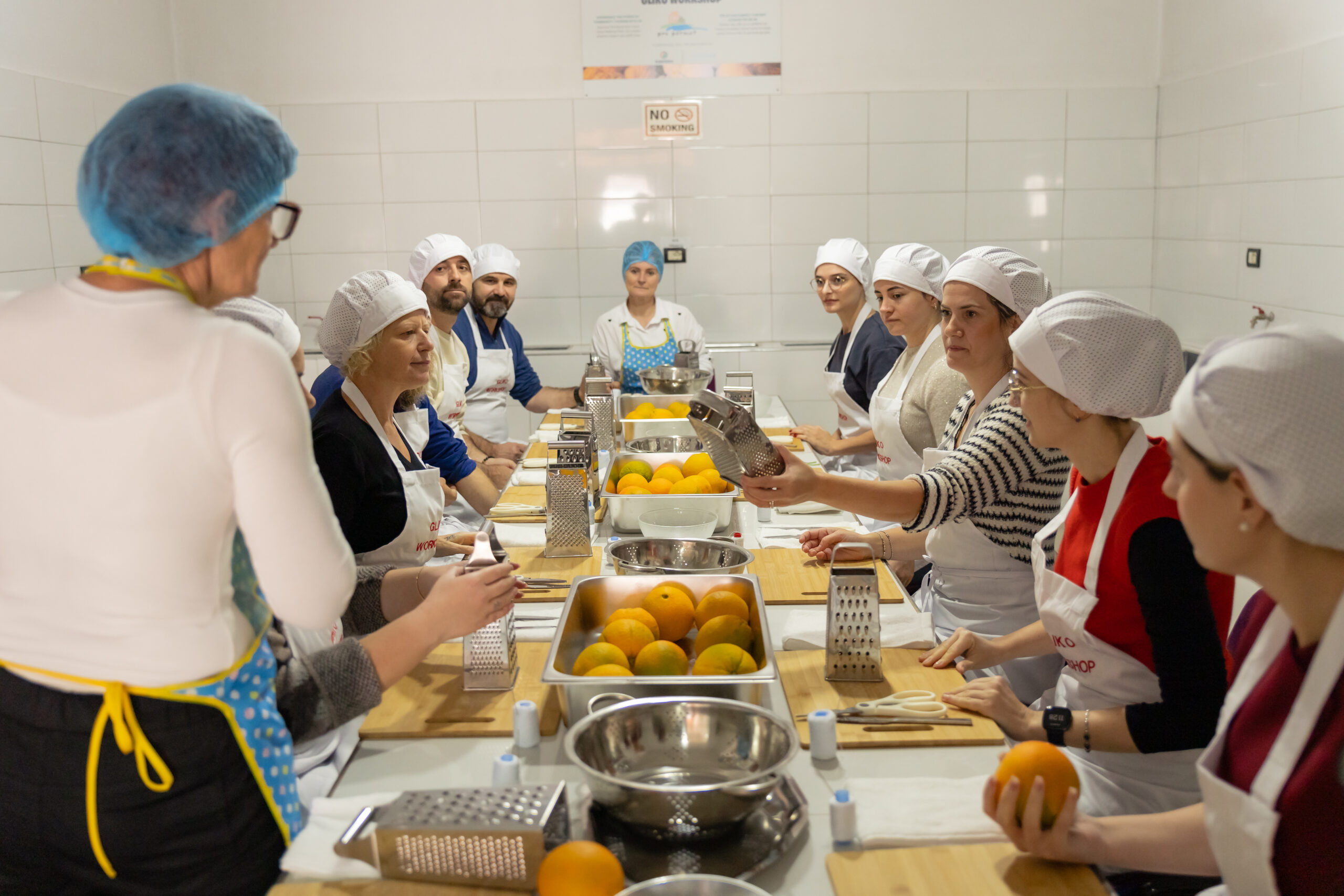
I joined the Gliko Workshop, an experience designed to preserve one of the region’s most cherished culinary traditions. Under the guidance of local women, we made gliko from scratch, learning not just the recipe but the meaning behind it.

Gliko isn’t just a dessert in Përmet. It’s hospitality. It’s identity.

It’s something every guest is welcomed with, and it carries generations of knowledge.

In between stirring pots, tasting gliko, and laughing with the women artisans guiding us, I realized how easily small traditions can vanish unless we create space for them. And this workshop is exactly that space, a bridge between the past and the future. 

What made this even more meaningful was knowing the workshop was designed and led by local women themselves, with support from the local DMC and Planeterra to help bring their craft to travellers in a way that strengthens their own business.
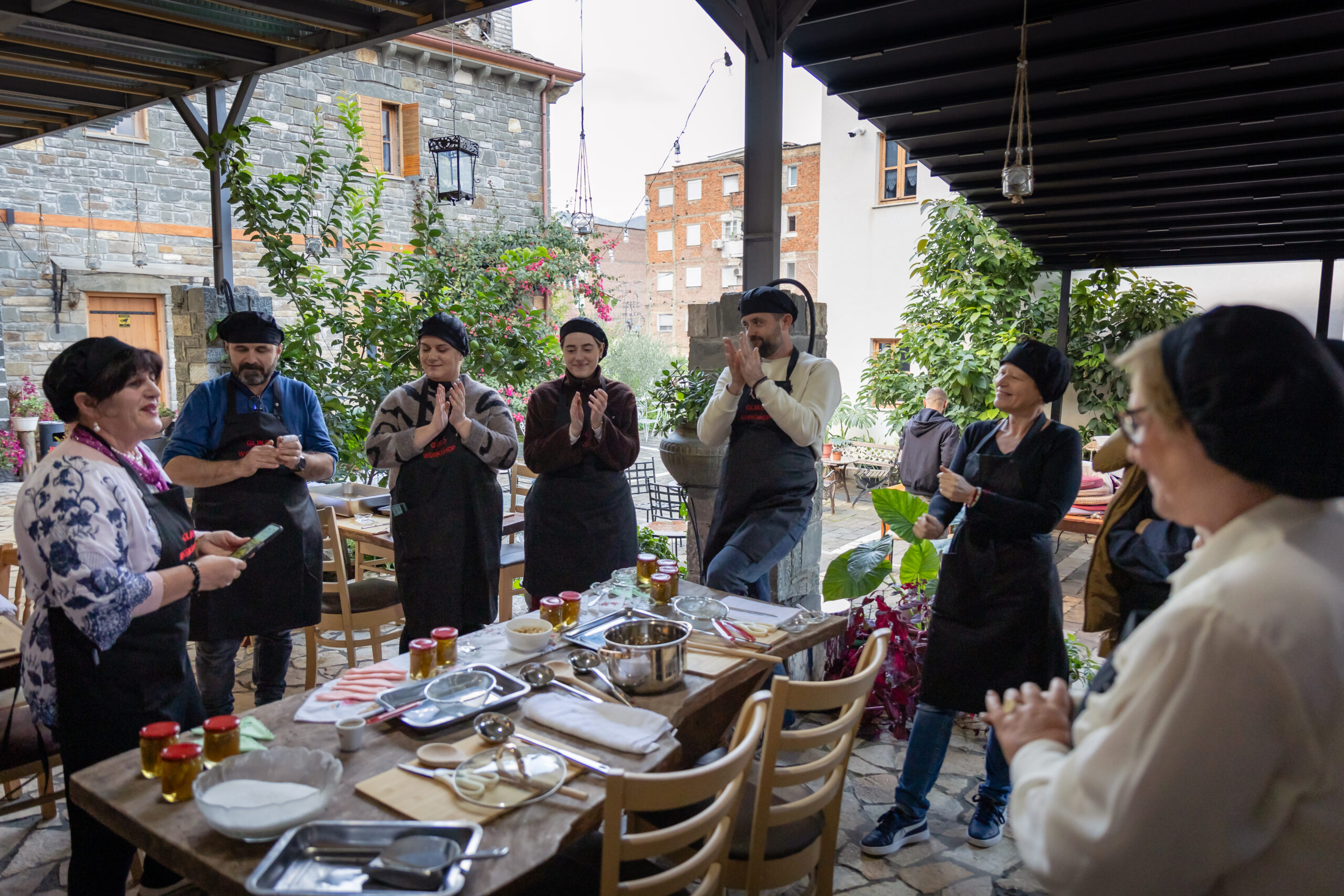
ProPermet, Albania, Gliko workshop | Photo Credits: Edvin Rushitaj
Why this project matters, beyond the experience

It’s one thing to visit a beautiful place.

It’s another to understand how your presence supports the people who live there.

Southern Albania is undergoing a quiet transformation. Areas like Përmet and Gjirokastër are welcoming more and more visitors each year, not just for their landscapes, but for their culture, craft, and stories.

Përmet now sees over 150,000 visitors annually.

Gjirokastër welcomed around 600,000 tourists in 2024.

These aren’t just numbers. They’re opportunities. They mean jobs, income for families, revived traditions, and hope for young people who might otherwise feel that leaving is their only option.

These kinds of opportunities grow when communities, travel partners, and supportive organizations work together to build experiences that reflect local identity and create lasting benefits.

Community  tourism isn’t just “nicer tourism.” It’s impactful tourism, a model where local people aren’t just part of the scenery, but partners who benefit directly from the experiences offered.

Visit Gjirokastra, Albania: Iso poliphony and cheese tasting | Photo Credits: Edvin Rushitaj
Day 2: Learning to “read” wool in Lazarat

Our journey continued in Lazarat, a village often misunderstood, but rich in tradition and resilience. This time, we weren’t there for the stories the media usually tells. We were there for something much softer, quite literally.

The experience was named “From Wool to Weave,” and it took us directly into the hands of local women who have spent a lifetime mastering the craft. Watching raw wool slowly transform into blankets and textiles made me appreciate a truth I had overlooked:

Heritage survives because someone keeps doing the work.

The rhythm of their hands, the patience in their movements, the pride in their eyes, it all reminded me that craftsmanship is a form of storytelling.

And as if that wasn’t enough, the day ended with iso-polyphonic music, not a staged performance, but an authentic, spontaneous moment shared with the community. The kind of moment where you feel the room breathe together.

At the end of our day in Lazarat, we enjoyed a small dairy tasting, fresh cheeses, creamy yogurt, and homemade butter, all prepared by local producers. As we tasted each product, the room filled with the haunting harmonies of iso-polyphony. The combination of traditional flavours and ancient voices created one of the most authentic and unforgettable moments of the entire trip.

Visit Gjirokastra, Albania, From Wool to Weave with homemade lunch | Photo Credits: Edvin Rushitaj
What I took with me from this trip

Of course I took some gliko and some handmade wool decoration for my christmas tree.

But I left feeling enriched, not only by the beauty of the places I visited, but by the sincerity of the people I met.

I felt grateful, for the music, the food, the craft, the stories, the warm welcome.

And I felt accountable, realizing that as travelers, journalists, or content creators, we help shape the kind of tourism we want to see.

Community tourism is not only possible in Albania, it’s happening. And if nurtured properly, it can be one of the country’s strongest tools for sustainable development, cultural preservation, and rural revitalization.

It also made me realize that behind each of these encounters is a quiet collaboration:  community hosts, local operators, and organizations like Planeterra and Evaneos working together to ensure tourism supports local goals.

Final thoughts

This trip wasn’t just about discovering new places.

It was about rediscovering the meaning of travel.

Përmet and Lazarat… each of them taught me that tourism can be more than holidays and itineraries. It can be a shared effort between visitor and host, a collaboration that uplifts the people who protect the traditions travelers come to enjoy.

If Albania wants to stand out as an authentic destination, this is the path.

And I’m grateful I got to walk a small part of it.

Journalist Loneta Progni

About the author:

Loneta Progni is a journalist and TV anchor with over eight years of experience in national broadcasting, known for her clear reporting, engaging interviews, and human-centered storytelling. Alongside news coverage and feature reporting, she has profiled many of Albania’s cultural and regional destinations, bringing local stories and voices to wider audiences.
Read more

Planeterra & Regional Cooperation Council Partnering to Build a Sustainable Future for Western Balkans Tourism

Written by Blerina Ago, Regional Manager for Europe at Planeterra

Planeterra took an exciting step to deepen our partnership with the Regional Cooperation Council (RCC), the EU-co-funded intergovernmental body dedicated to coordinating the tourism agenda across the Western Balkans.

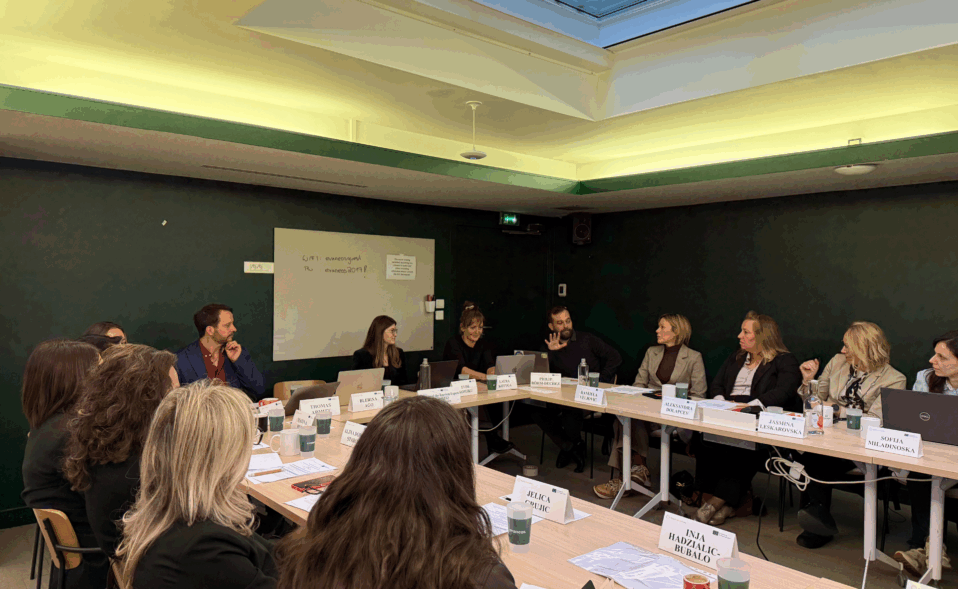
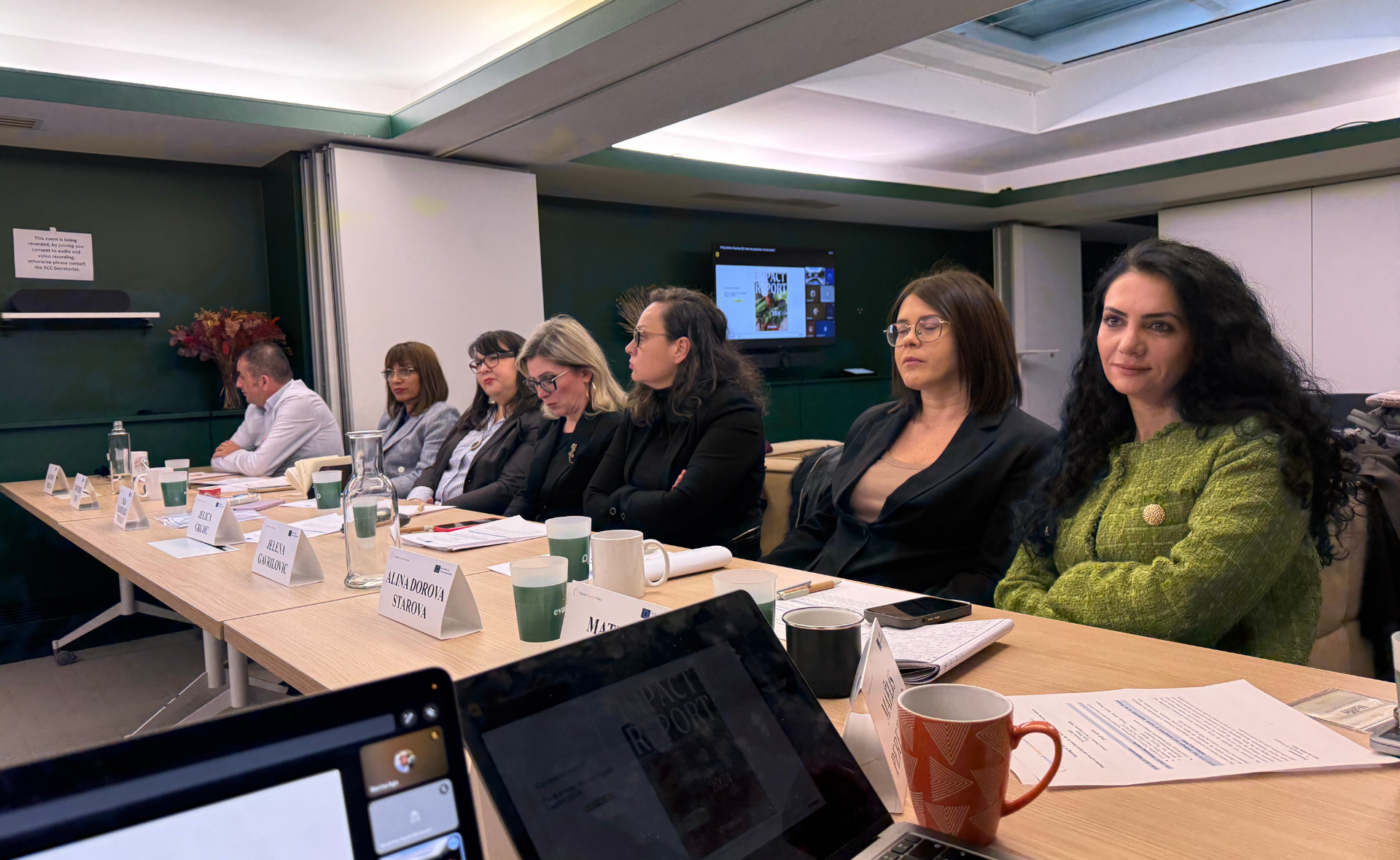
As part of this collaboration, Planeterra successfully co-organized a crucial 1-day workshop on Community Tourism alongside the RCC’s annual Tourism Expert Group (TEG) meeting in Paris, France. The event was hosted at the Evaneos venue.

The workshop successfully advanced the regional dialogue on smart and sustainable tourism, with a sharp focus on how Planeterra’s Community Tourism model can drive positive, lasting impact. The event gathered government representatives from across the Western Balkans Six (WB6).

Why the Western Balkans is Prime for Community Tourism

The Western Balkans (WB6) has been gaining global recognition as one of Europe’s most dynamic and fast-growing travel destinations. With its rich culture, stunning natural landscapes, and incredible potential for rural experiences, the region is a perfect fit for Planeterra’s mission. The consensus was that strong institutional backing from the EU and the RCC makes it a prime region for strategic partnerships and investment in impact-driven tourism.

The importance of a collaborative approach and the Community Tourism model was a central theme throughout the day:

Marlene Bartes, Policy Officer, DG MOVE, EC, highlighted the need for international support, noting: “The future of the tourism sector is inherently tied to the success of the Green and Digital Transitions. For the Western Balkans to realize its full potential, strong European & regional collaboration—providing strategic alignment and support—is essential to harmonize policies and scale up smart, sustainable investments.”

Evisi Kopliku, Expert on Competitiveness, RCC, highlighted the importance of knowledge sharing and learning about best practices from different partners in Europe and beyond, through building partnerships and networks. “In addition, tourism remains an important sector for the Western Balkans Six as well as a priority agenda of the Common Regional Market, as demonstrated again in the WB6 Leaders’ Summit in London, who adopted the Regional Declaration on Regional Tourism Branding”.

Blerina Ago, Regional Manager – Europe, Planeterra, underscored the community-first approach, stating: “The Western Balkans’ tourism growth is a shared opportunity, but to make it truly sustainable, we must ensure the core principles of Community Tourism are embedded. This means granting the community significant say in development and management (Agency & Control), designing models to ensure fair profits and value stay local (Fair Benefits), and always prioritizing the welfare of residents, culture, and nature (Prioritizing Well-being). This is how we move beyond competition and embrace genuine regional cooperation.”

Laura Kotyga, B2B Sustainability Manager, Evaneos: “The meeting in Paris was a powerful demonstration of why public-private partnerships are crucial for sustainable growth. At Evaneos, we recognize that the scale of the green and digital transitions in the Western Balkans requires a harmonized effort. Our work on sustainability management and sharing effective models with the RCC’s Tourism Expert Group shows that by connecting the expertise of the private sector with the strategy of public bodies, we can help destinations in the WB6 not just grow, but grow responsibly, ensuring that tourism truly benefits the environment and local communities.”

Key Discussions: Putting Communities at the Center

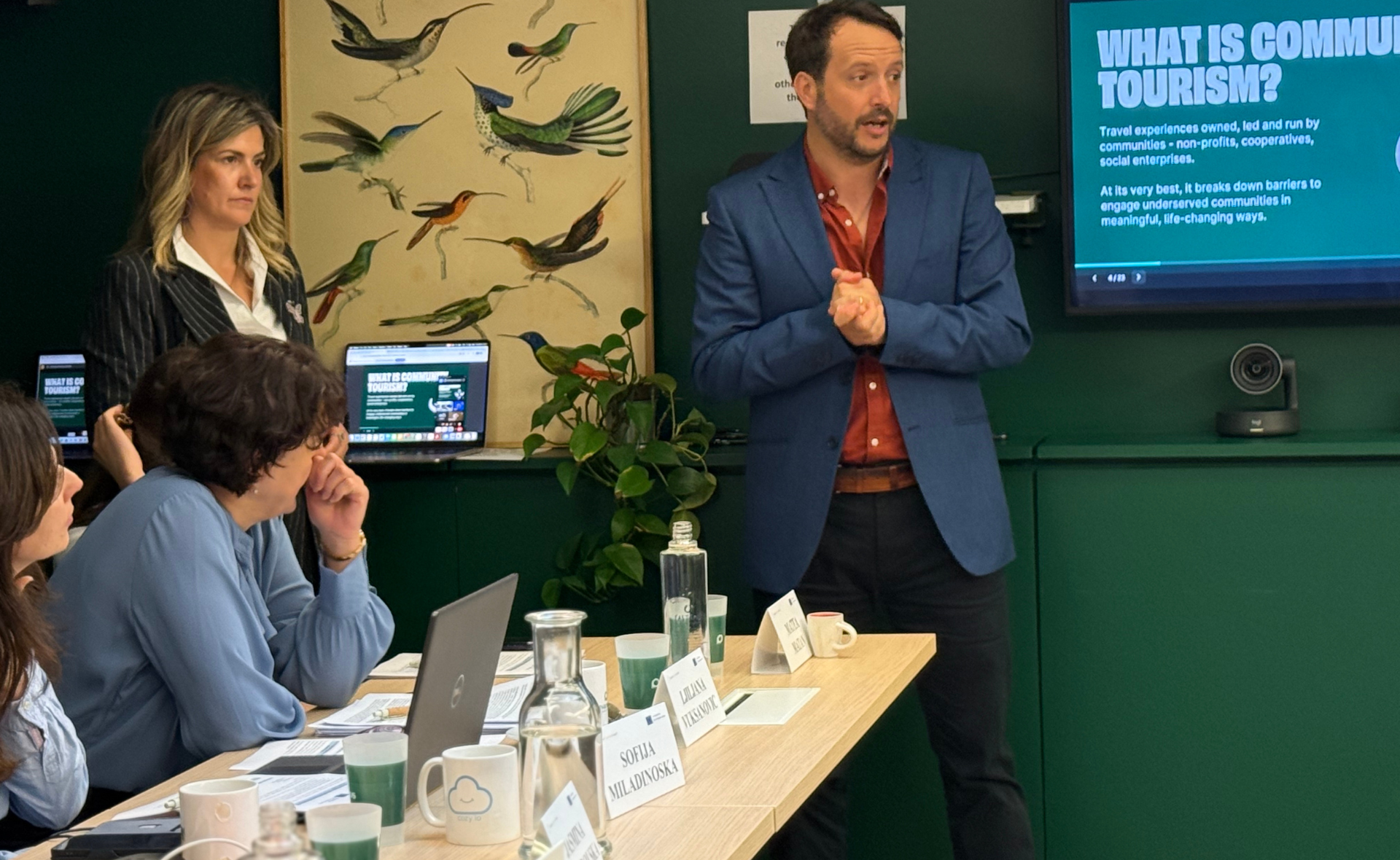
At the workshop, which included presentations from Planeterra and Evaneos, in-depth discussions focused on how community tourism could address both social and environmental challenges in the region.

  • Sustainability & Green/Digital Transitions: Attendees introduced key challenges and effective models for navigating the digital and green transitions, sharing examples from Planeterra and Evaneos’ work in the WB6 and beyond. This session strongly connected destination stewardship directly to community tourism models and discussed the relevance of the EU Transition Pathway for Tourism.
  • The Power of Community Tourism: The session defined Community Tourism and its strategic role in fostering inclusion and empowering local populations. Discussions showcased successful case studies, identified key barriers to implementation, and explored the emerging sub-session on digital nomadism.
  • Climate & Biodiversity Action: This critical session, led by Thomas Armitt, Senior Manager, Climate and Biodiversity at Planeterra, demonstrated how community tourism served as a powerful tool for addressing the urgent challenges of biodiversity loss and climate change. Discussions highlighted how environmental shifts impact the WB6 tourism industry, such as changing the appeal of coastal destinations due to extreme heat and the viability of winter sports due to lack of snow. Innovative models were presented that actively linked tourism revenue to environmental conservation and building climate resilience.

The importance of the regional approach was highlighted by TEG members:

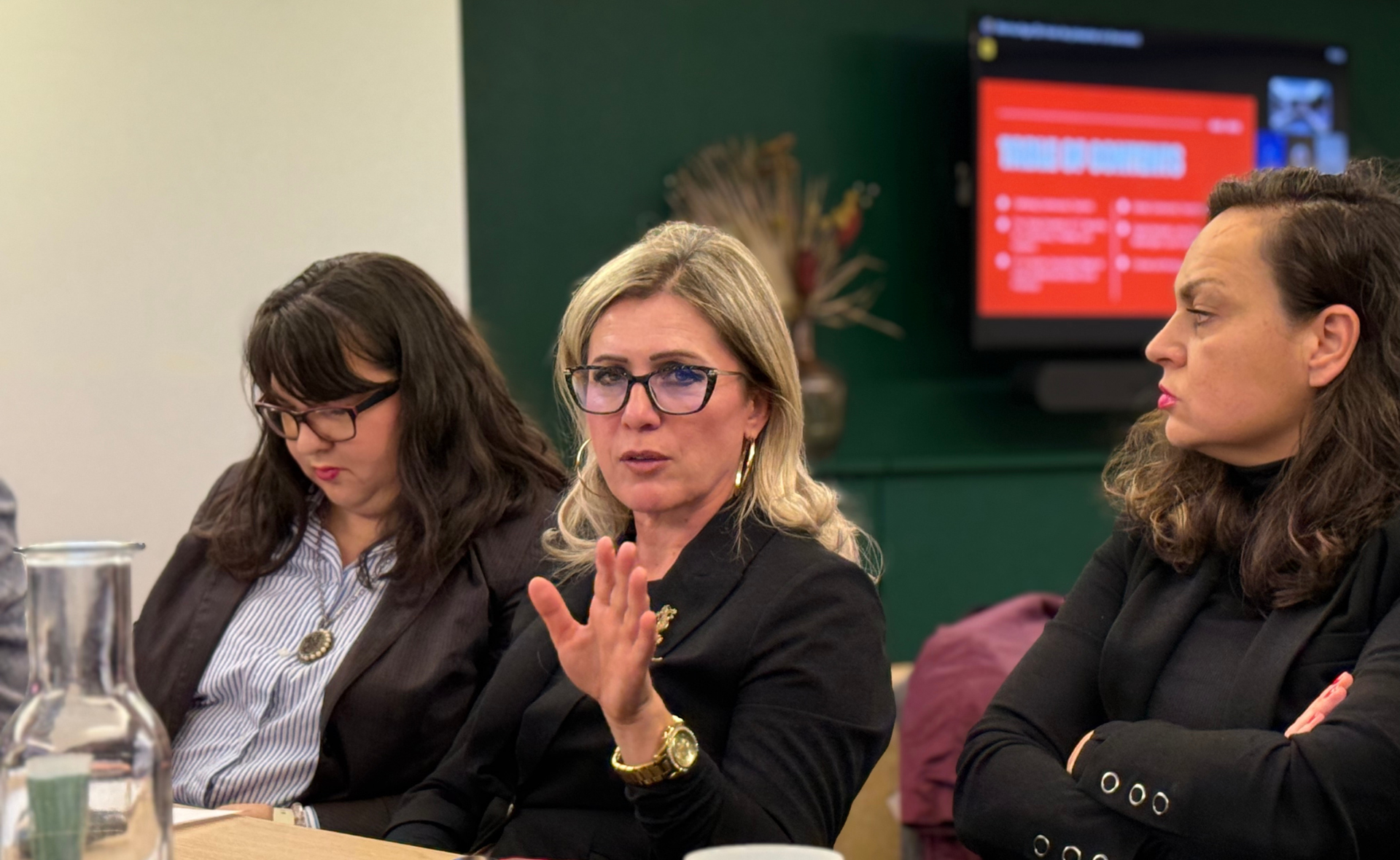
Jiljana Vuksanović, Head of the Directorate for Strategic Planning, Ministry of Tourism, Montenegro: “Community Tourism is very important for the people who live in the area because it offers a good job and other benefits for development of the community. It is very important to boost community tourism through funding support for community tourism enterprises who want to do something and to improve, to develop all the area.”

Jelica Grujic, Head of Department, Tourism Department, Ministry of Foreign Trade and Economic Relations, Bosnia and Herzegovina: “The experience that we heard today will be of much importance for us in the future. How to advocate for more community tourism and actually how to develop community tourism based on the main sustainable tourism principles in the future.”

Matina Hyka, Head of Sector of the Development Program, Ministry of Tourism, Culture and Sports, Albania: “This event was very comprehensive, because Albania has just approved her national tourism strategy and all the topic discussed relating to the green tourism, community tourism and related are very important for us in this space. We can use them as a tool to drafting our bylaws and our secondary legislation.”

Jasmina Leskarovska, Advisor for administration and tourism, Ministry for Culture and Tourism, North Macedonia: “Our goal is to ensure that national tourism policies are fully aligned with the principles of sustainability and local empowerment. Regional cooperation is the most effective way to share best practices and guarantee that the WB6 moves forward with one harmonized and resilient strategy.”

The day concluded with TEG members advancing the development of Smart Tourism Destination scorecards for the WB6.

Lumturije Geci, Ministry of Industry, Entrepreneurship and Trade, Kosovo: “Beyond discussing Community Tourism as a path to local empowerment, a major focus was on advancing the Smart Tourism Destinations framework for the WB6. The goal is to move from strategy to action by agreeing on the Destination Scorecards and setting a harmonized, regional roadmap for sustainable and digitally-enabled tourism development.”

Aleksandra Dolapčev, Tourism Organisation Serbia: “Building Smart Tourism Destinations is essential for the Western Balkans to proactively meet the new challenges of the tourism industry, particularly the accelerating digital and green transitions. Our focus now is on moving beyond strategy, improving and utilizing the Destination Scorecards to identify immediate gaps and challenges in our pilot destinations, and agreeing on a regional roadmap that ensures sustainable, competitive growth across the WB6.”

This final session aimed to agree and prepare one-pager Destination Scorecards, for further promotion and visibility of the WB6 tourism potentials.

By facilitating this cross-border exchange and promoting community-owned models, the workshop reinforced the collective commitment to ensure the Western Balkans’ tourism growth benefits everyone.

Read more