
community tourism in tunisia

Supporting Nature-Positive Tourism: The Planeterra Nature-Positive Community Tourism Assessment tool

Protecting biodiversity and addressing climate change are increasingly urgent priorities for the tourism sector. Yet many tourism businesses are unsure where to begin or how to translate these commitments into practical action.

As part of our collaboration with easyJet holidays, and in partnership with Animondial, the Planeterra Nature-Positive Community Tourism Assessment tool was developed to help tourism businesses better understand their environmental impact and identify meaningful ways to support nature and communities.

Rather than focusing on a single aspect of sustainability, the tool takes a holistic view of tourism operations, recognizing that environmental impacts can occur across the entire visitor experience, from how accommodations are designed to how food is sourced, how activities are managed, and how transportation is organized.

By providing a structured framework, the tool helps tourism enterprises identify opportunities to improve their environmental footprint while supporting biodiversity protection.

A framework for responsible tourism operations

The Planeterra Nature-Positive Community Tourism Assessment tool encourages tourism enterprises to evaluate their practices across several key areas.

Governance and environmental responsibility
Responsible tourism begins with strong governance. The tool encourages businesses to comply with environmental regulations, support transparent and ethical procurement practices, and invest in training that raises awareness among staff and travellers about protecting nature.

It also emphasizes the importance of inclusive and equitable decision-making, ensuring that Indigenous peoples and local communities are respected as knowledge holders and stewards of the lands and ecosystems where tourism takes place.

Accommodation and infrastructure
Tourism infrastructure can have significant impacts on local ecosystems. The tool encourages accommodation providers to adopt practices that minimise disturbance to wildlife, reduce pollution, conserve water and energy, and integrate landscaping that supports local biodiversity.

Food sourcing and waste reduction
Food systems are closely linked to environmental health. The framework encourages businesses to prioritize local and seasonal ingredients, reduce food waste, avoid harmful chemicals in agriculture, and maintain transparency in their supply chains. These practices can support sustainable agriculture and strengthen local food systems.

Transportation and emissions
Transportation is a significant contributor to tourism’s environmental footprint. The tool highlights ways tourism providers can reduce emissions, such as monitoring transport-related impacts, promoting fuel-efficient driving practices, and minimizing disturbance to wildlife during transportation activities.

Activities and visitor experiences
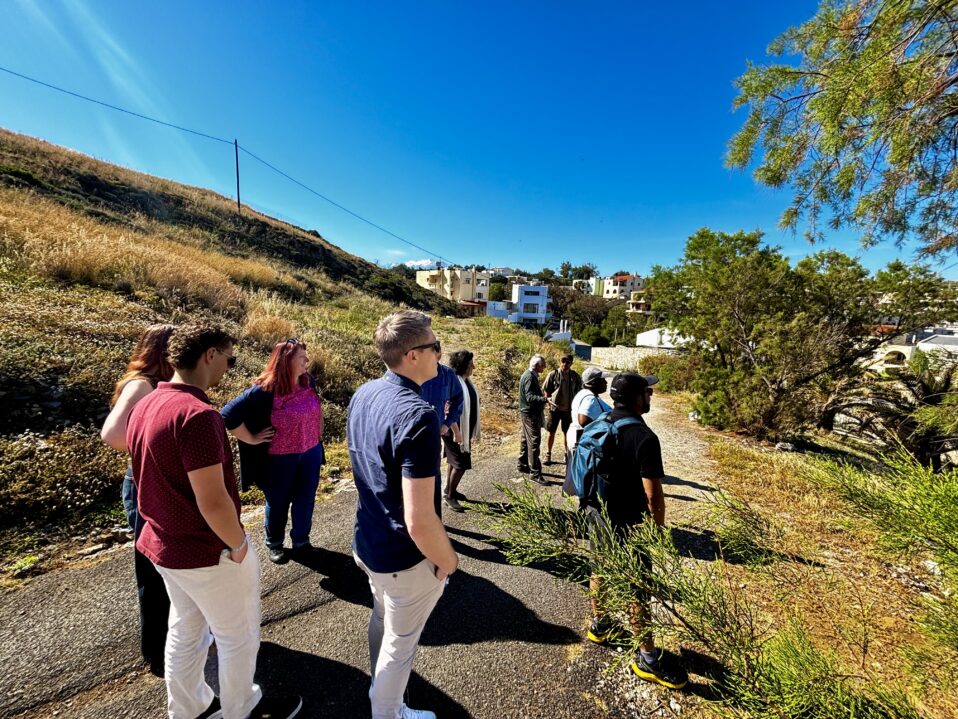
Tourism activities themselves can either support or harm ecosystems. The framework promotes responsible guiding, wildlife-friendly experiences, and practices such as Leave No Trace principles to help ensure that tourism experiences respect natural habitats.

Local crafts and natural resources
Many community tourism enterprises also produce handicrafts or use local natural materials. The tool encourages responsible sourcing of natural resources and awareness of how these materials are shared and managed within local communities.

Supporting community leadership

A key principle of the Planeterra Nature-Positive Community Tourism Assessment tool is recognizing the role of Indigenous peoples and local communities as stewards of biodiversity.

Many communities have long managed forests, landscapes, and natural resources through practices shaped by generations of knowledge. Supporting these approaches is essential for protecting ecosystems and sustaining cultural landscapes.

The framework therefore encourages tourism enterprises to respect traditional knowledge, acknowledge land and resource rights, and support community-led conservation initiatives.

From awareness to action

Ultimately, the Planeterra Nature-Positive Community Tourism Assessment Tool is a practical guide for Community Tourism Enterprises to take meaningful action. It helps companies identify concrete ways to protect ecosystems, reduce environmental impacts, and support community-led initiatives that protect, restore and celebrate nature. 

By using this tool, tourism can contribute not only to economic development but also to the long-term regeneration of the natural environments that make travel possible.

Join the Global Community Tourism Network, a network of over 550 community tourism enterprises located in 86 countries.

Reach out if you are a travel company wanting to integrate community tourism-driven projects that protect and restore Nature, and uplift communities.

Champion community-centric approaches to addressing the climate and biodiversity crisis, using travel as a tool to achieve this.
Read more

Meet Romana Tomić from Association Deša Dubrovnik

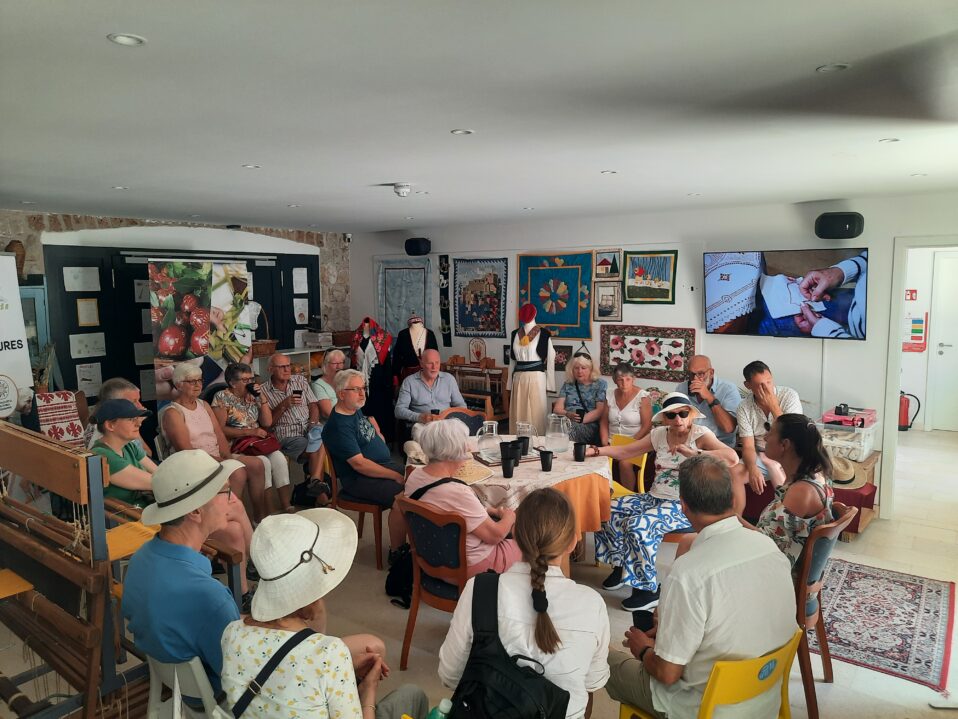
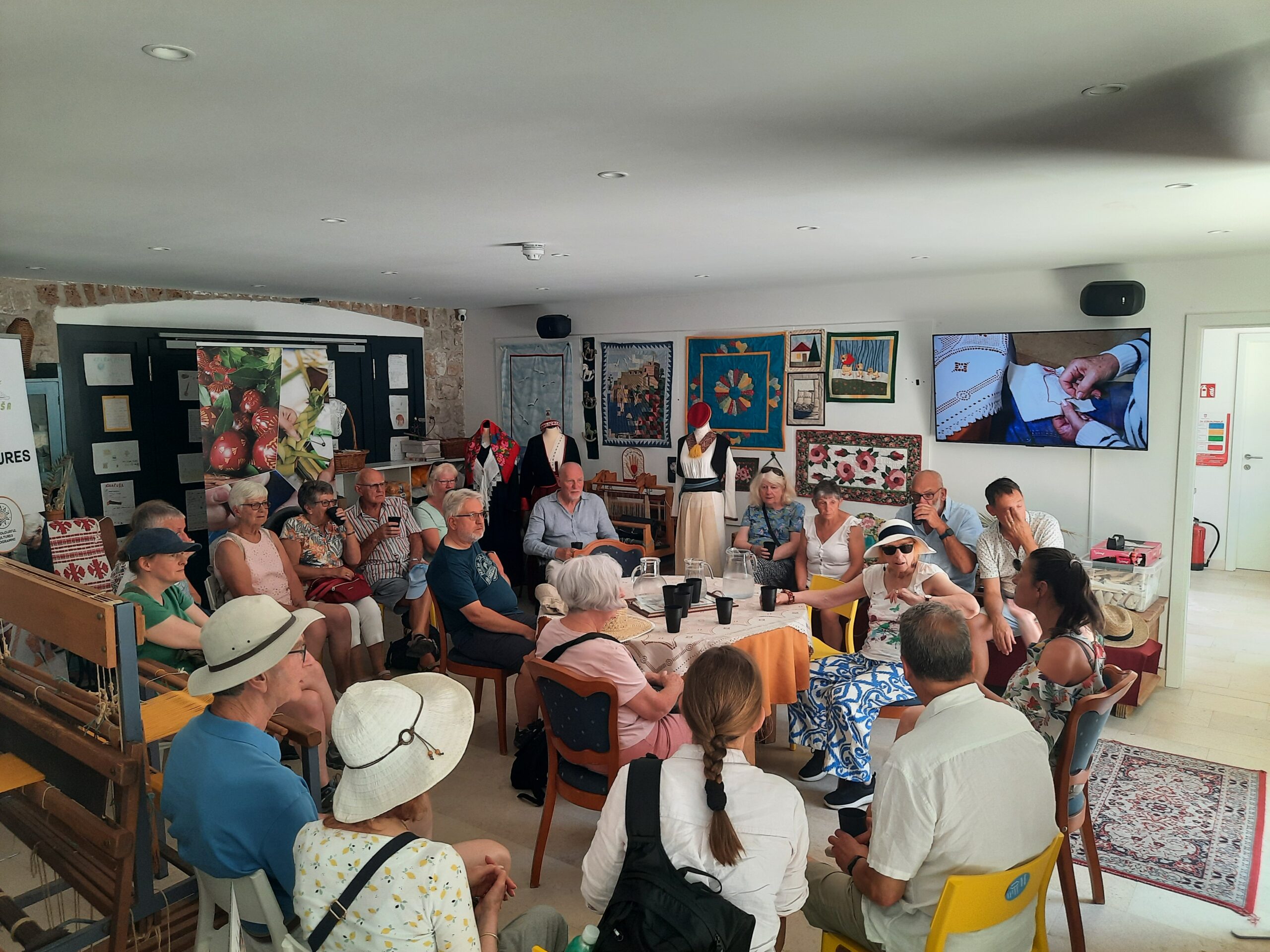
Deša is a non-governmental organization that has been active since the beginning of the Homeland War in 1991. It was created as a space where women could support one another through the challenges they were facing, and over time, they began developing a small handicraft business together.

What started as a grassroots initiative has grown into a women’s centre where skills, knowledge, and cultural traditions continue to be shared and sustained.

When visiting Deša, travellers are invited to learn about the local history while experiencing weaving, embroidery, traditional delicacies, and patchwork.

But for Romana, these visits go far beyond demonstrations.

Romana has been part of Deša since the very beginning. She often says the women there helped raise and inspire her. When she speaks with visitors, she shares not only the history of the organization but her own journey,  from its early days to what it represents today.

When she talks about their wartime and post-war experiences, many travellers are deeply moved. There are moments of silence, of tears, and also of connection. 

“We share stories, emotions, and sometimes even hugs,” she says. “Those moments stay with me, and I believe they stay with the visitors too.”

Romana Tomić Association Deša Dubrovnik (Croatia)

Although it can be difficult to revisit these experiences, Romana is grateful that people are willing to listen. For her, these conversations are also a way of processing and healing, a reminder that sharing can create understanding.

Today, she takes particular pride in speaking about what Deša has built over the years, especially the ongoing work to strengthen support networks for women. 

Through conversations with visitors, she is often reminded that many challenges and efforts toward dignity and safety are shared across different parts of the world.

And then there’s what she calls her “secret mission”: helping younger generations connect with and appreciate their cultural heritage. 

In truth, she enjoys sharing every part of the work Deša continues to do.

Romana is proud of what Deša represents, a space shaped by the women who built it, and one that continues to evolve with them.

Stories like Romana’s show how community tourism can create space for connection, understanding, and shared experiences.

Read more

How Tunisian Artisans are bringing tradition into the future

For generations, artisans across Tunisia have passed down skills through careful hands, patient work, and deep cultural knowledge. But in today’s world of mass production and global markets, these traditions can struggle to find space.

That challenge is exactly what inspired Noura Bent Taieb Rouis to help create the Rachaek Patrimoine Association.

The association was founded with a clear goal: to preserve artisanal heritage while helping artisans adapt to a changing world.

“Our goal was to modernize artisanal products and keep up with the times,” Noura explains. “At the same time, we wanted to introduce our cultural heritage and encourage investment in the creative skills of artisans.”

Noura Bent Taieb Rouis Rachaek Patrimoine Association (Tunisia)

For many artisans in the region, the challenge was not a lack of talent, but limited opportunities to share their work.

“Artisans had a limited audience and restricted sales,” she says. “This created a desire to expand and reach a broader market.”

The solution was collaboration. Artisans came together to create an association that could strengthen their collective voice and create new opportunities.

Bringing heritage to new audiences

For Noura, joining the association was about more than simply selling products.

“What attracted me was the aspiration to reach a distinguished level and expand the reach of our products,” she says.

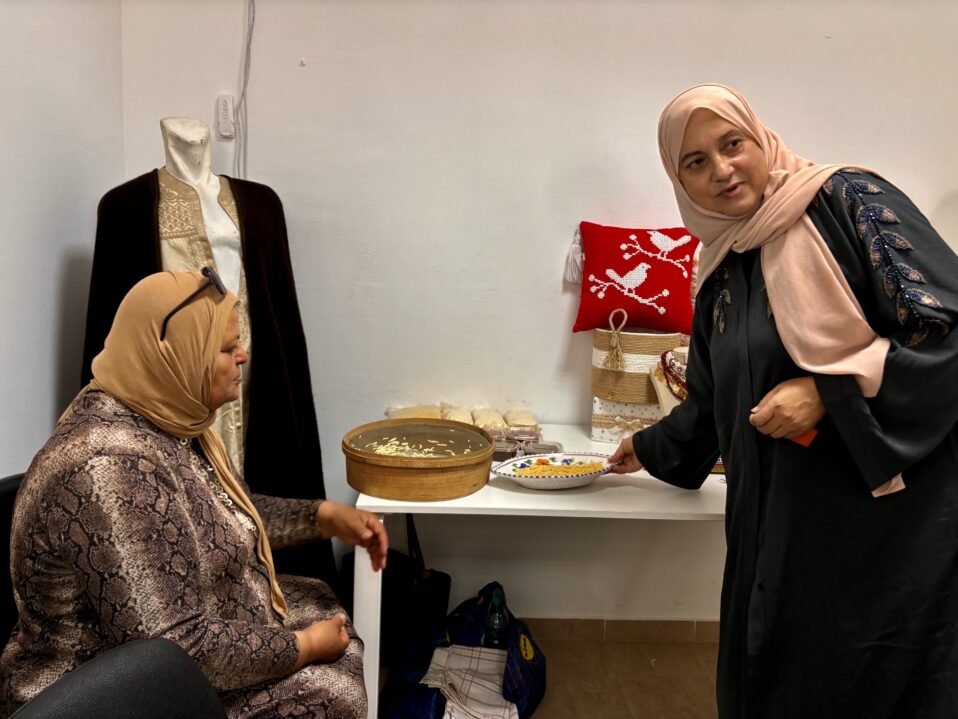
Traditionally, artisans relied on small exhibitions or occasional markets. But through the association, they began exploring new ways to connect with audiences and showcase their work.

Visitors now have the opportunity to learn not only about the products themselves but about the stories behind them.

Noura takes particular pride in sharing the origins of the materials and techniques used in the crafts.

“I like explaining the sources of our raw materials and the heritage behind each piece,” she says.

For many visitors, these conversations transform a simple object into something far more meaningful: a connection to a living cultural tradition.

Passing knowledge to the next generation

While visitors are important, some of Noura’s favourite moments come from working with children in the community.

One memory stands out especially.

“Our events with children are always spontaneous and full of energy,” she says. “Their playful spirit inspires us to work even more with the rising generation.”

For artisans, passing knowledge to younger generations is essential to keeping traditions alive.

Workshops and events give children the chance to experience craft not just as something to observe, but something to participate in.

Strengthening craft through collaboration

Partnerships and external support have also played an important role in helping the association grow.

Through trainings and collaborations supported by partners such as Planeterra and Iberostar, the association has been able to strengthen both skills and confidence.

“These relationships helped us improve our knowledge and continue raising the quality of our work,” Noura says.

They also helped artisans rethink the role of their craft.

Instead of focusing only on selling products, the association began emphasizing the artistry, mastery, and cultural value behind each piece.

Association Rashaek Patrimoine -Tunisia
Association Rashaek Patrimoine - Tunisia

Quality over quantity

In a world full of mass-produced goods, Noura believes the true value of artisanal work lies in its uniqueness.

“Our focus is always on quality, not quantity,” she says.

While markets are filled with industrial products, the work created by artisans tells a different story.

“We use high-quality raw materials and craft each piece carefully,” she explains. “Every creation is unique.”

For visitors, this dedication often leaves a lasting impression.

Noura hopes they leave with a deeper appreciation for the skill, patience, and creativity behind each piece of craftsmanship.

Looking to the future

For Noura, the future of the association is filled with possibility.

She hopes the organization will continue to grow, expanding opportunities for artisans while strengthening the presence of Tunisian craftsmanship locally and internationally.

“I hope the association will thrive and expand,” she says. “I wish to see branches in many areas, increased sales and income for artisans, and a strong presence both regionally and internationally.”

At its heart, the work remains rooted in a simple but powerful idea:

preserving heritage while creating new opportunities for the future.

About the Rachaek Patrimoine Association 

Founded in 2021, the Rachaek Patrimoine Association brings together artisans and young professionals dedicated to preserving Tunisia’s rich craft traditions while creating new opportunities for local makers.

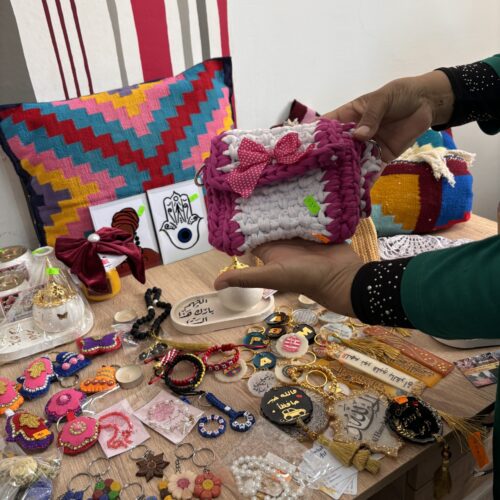
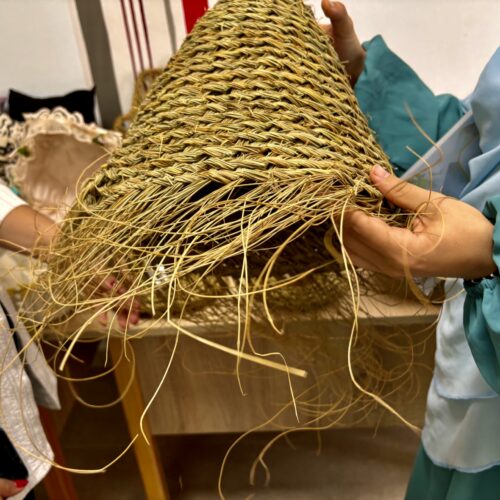
Members produce a wide range of handmade goods, including weaving, embroidery, textiles, and artisanal food products, using locally sourced materials such as camel wool, pure silk, and honey. Each piece reflects generations of knowledge, creativity, and cultural heritage.

Like many artisan groups, the association initially faced challenges. Competing with mass-produced products and operating without a permanent space made it difficult to reach wider audiences. At one point, members even considered closing the association.

Instead, they continued organizing exhibitions, refining their craft, and building connections to help their work reach more people.

Through Planeterra’s partnership with Iberostar, the Rachaek Patrimoine now has a dedicated space within Iberostar Kantaoui Bay where artisans can present and sell their work to visitors. This space has opened up new opportunities for income while allowing artisans to share the stories, materials, and traditions behind each creation.

For the members of the association, it is more than a place to sell products. It is a space where Tunisian craftsmanship can be celebrated, shared, and passed on to future generations.

Read more