tree growing initiative

What the Trees Taught Me: Reflections from Two Weeks in Kenya, Tanzania and Madagascar

I’ve just returned from two weeks in the field, visiting Community Tree Growing partner sites across Kenya, Tanzania and Madagascar. This trip was part of our ongoing tree growing activities implemented in partnership with G Adventures and Evaneos, and my objectives going in were straightforward: 

  • Verify the impacts our projects have been reporting
  • Assess three years of tree growth
  • Refine Planeterra’s verification methodology so we can keep our promises to our Travel Partners and to the communities we work with.

What I came home with was something bigger than a verification report. I want to share it.

I thought I understood the impact. I didn’t.

I’ve spent years working at the intersection of Community Tourism and conservation, and I’ve always believed that growing the right trees, in the right places, with the right people, creates real change. 

But nothing that I could have prepared in a verification template could have prepared me for standing in these landscapes and seeing, first-hand, how far the ripple effects of growing these trees travel.

A tree, it turns out, is never just a tree…
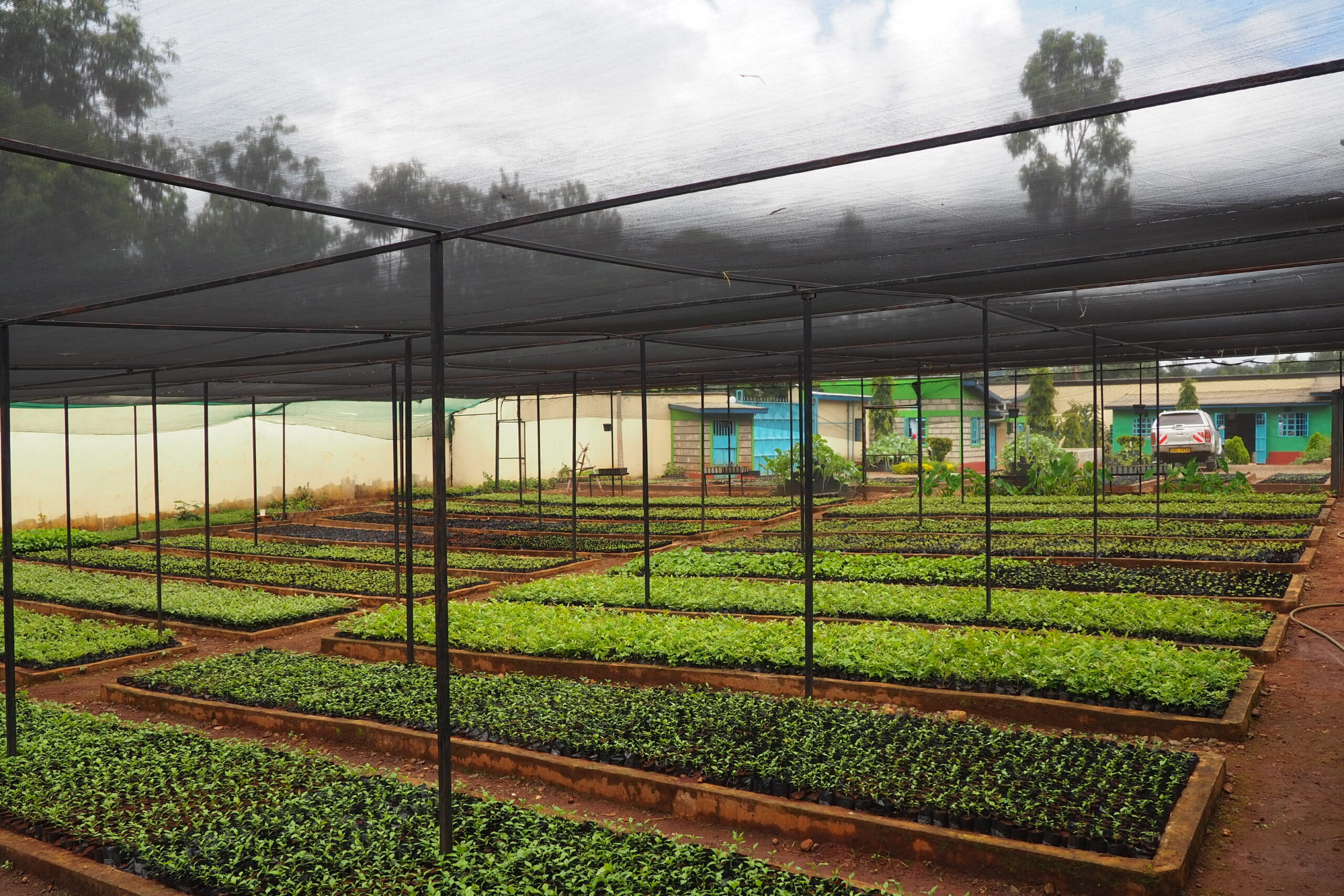
Three countries, three different stories.

It was my first time travelling in East Africa. My experience of Africa has always revolved around the North, West and Central regions of the continent, and so this journey was an eye opener from a socio-cultural and environmental perspective. 

However, what really struck me was the diversity of impacts that can be experienced based on the type of tree growing project I visited. In three different countries, three different stories were shared that educated me on the importance of growing trees that directly benefit communities.

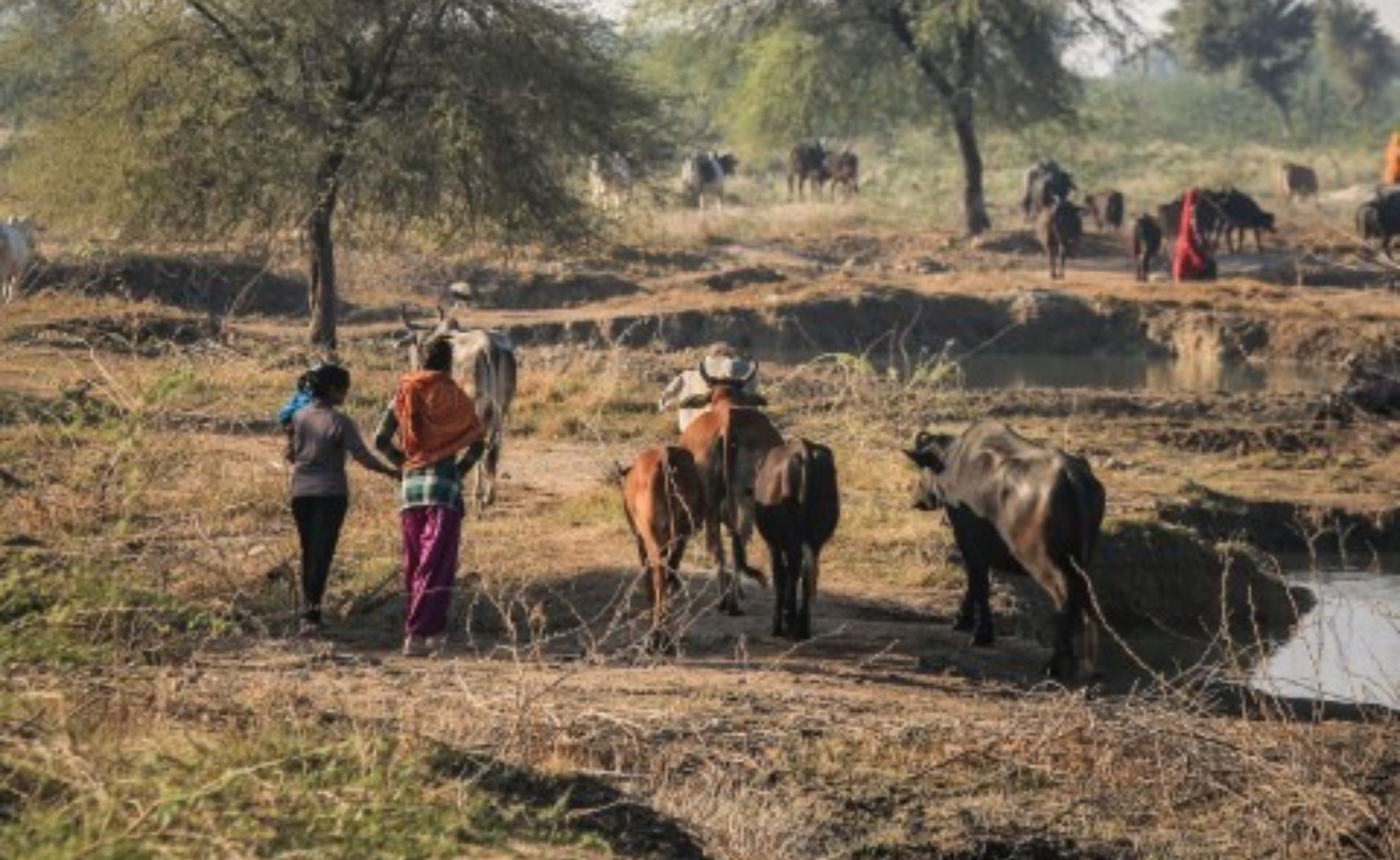
Grace and her Cow

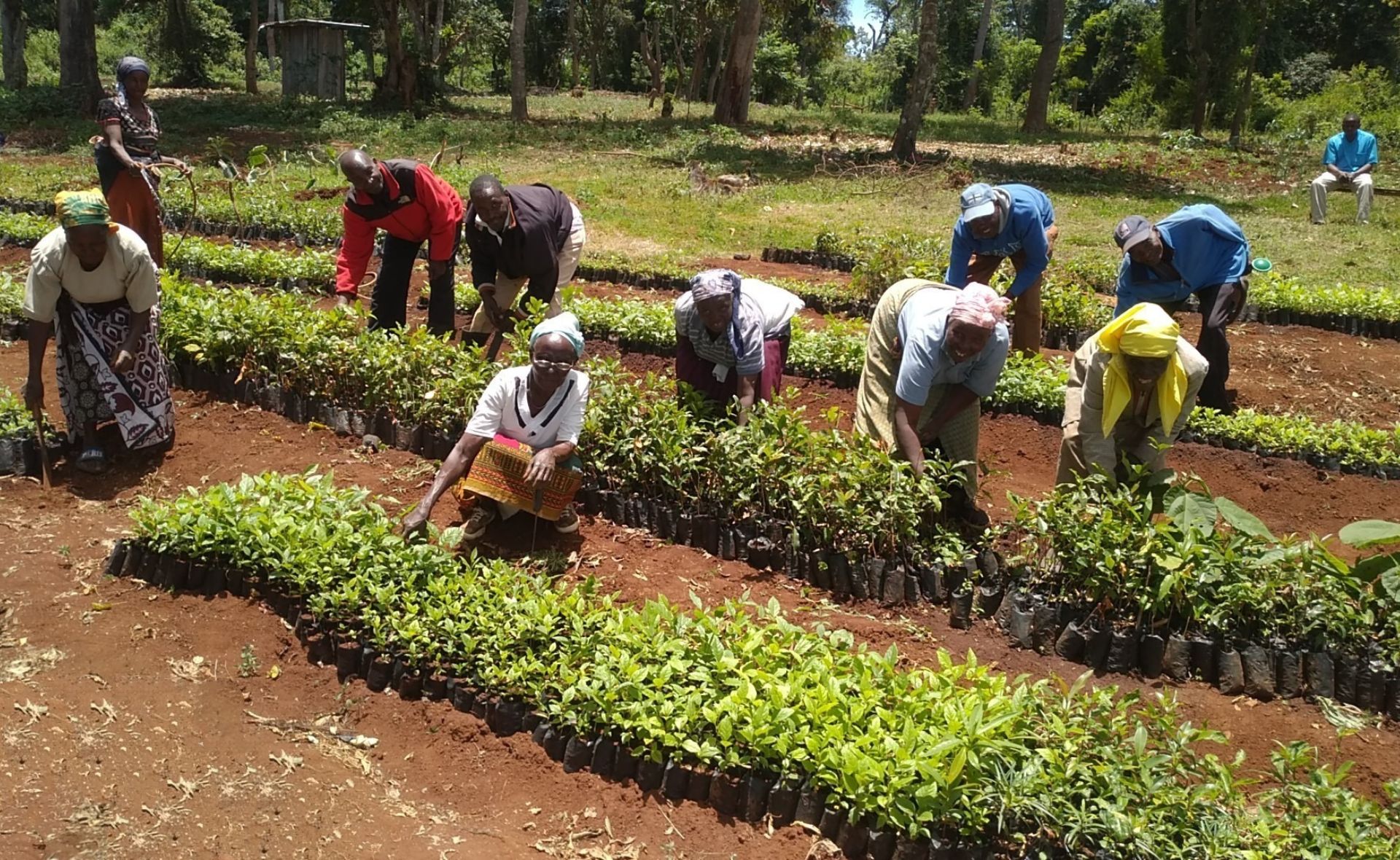
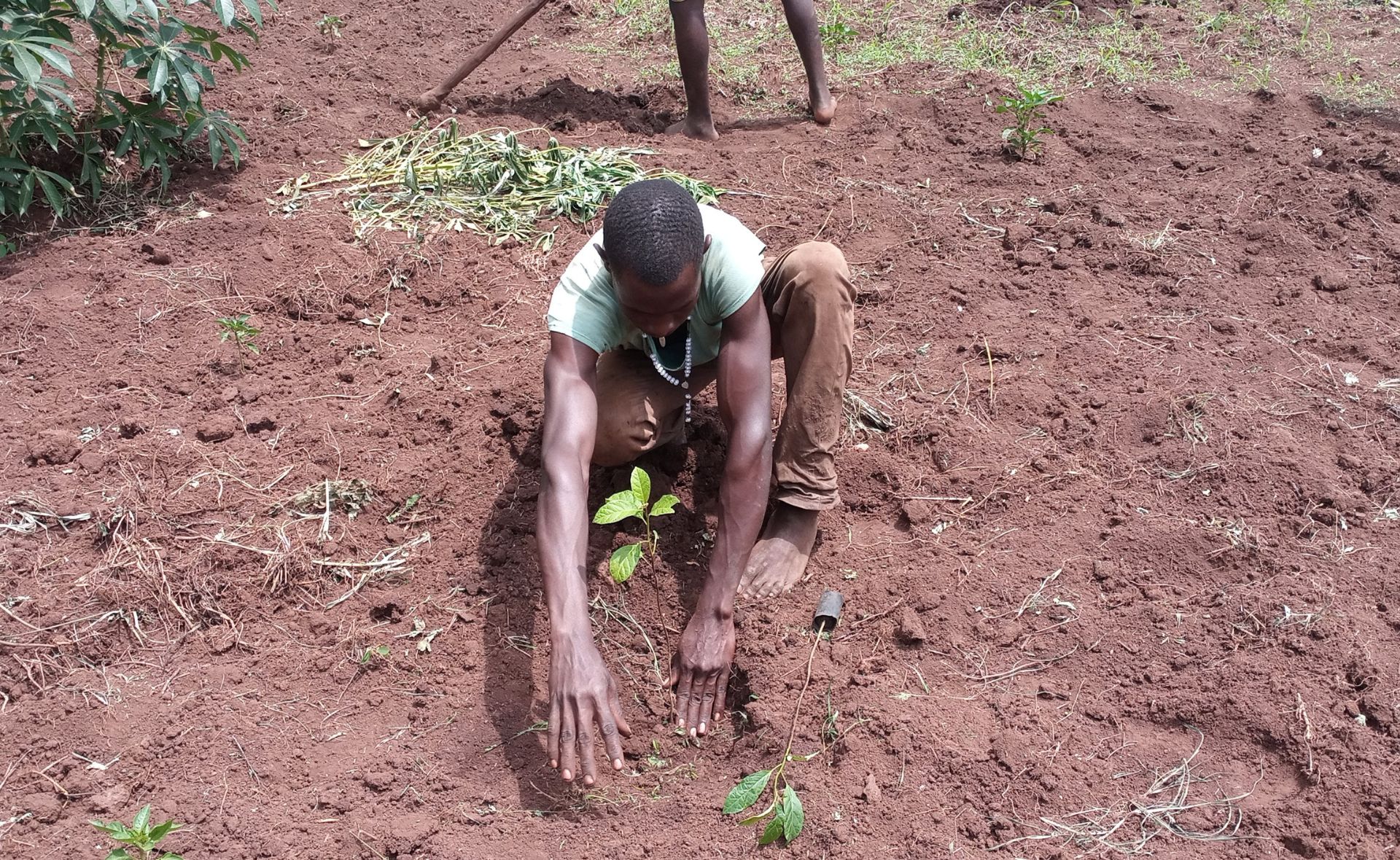
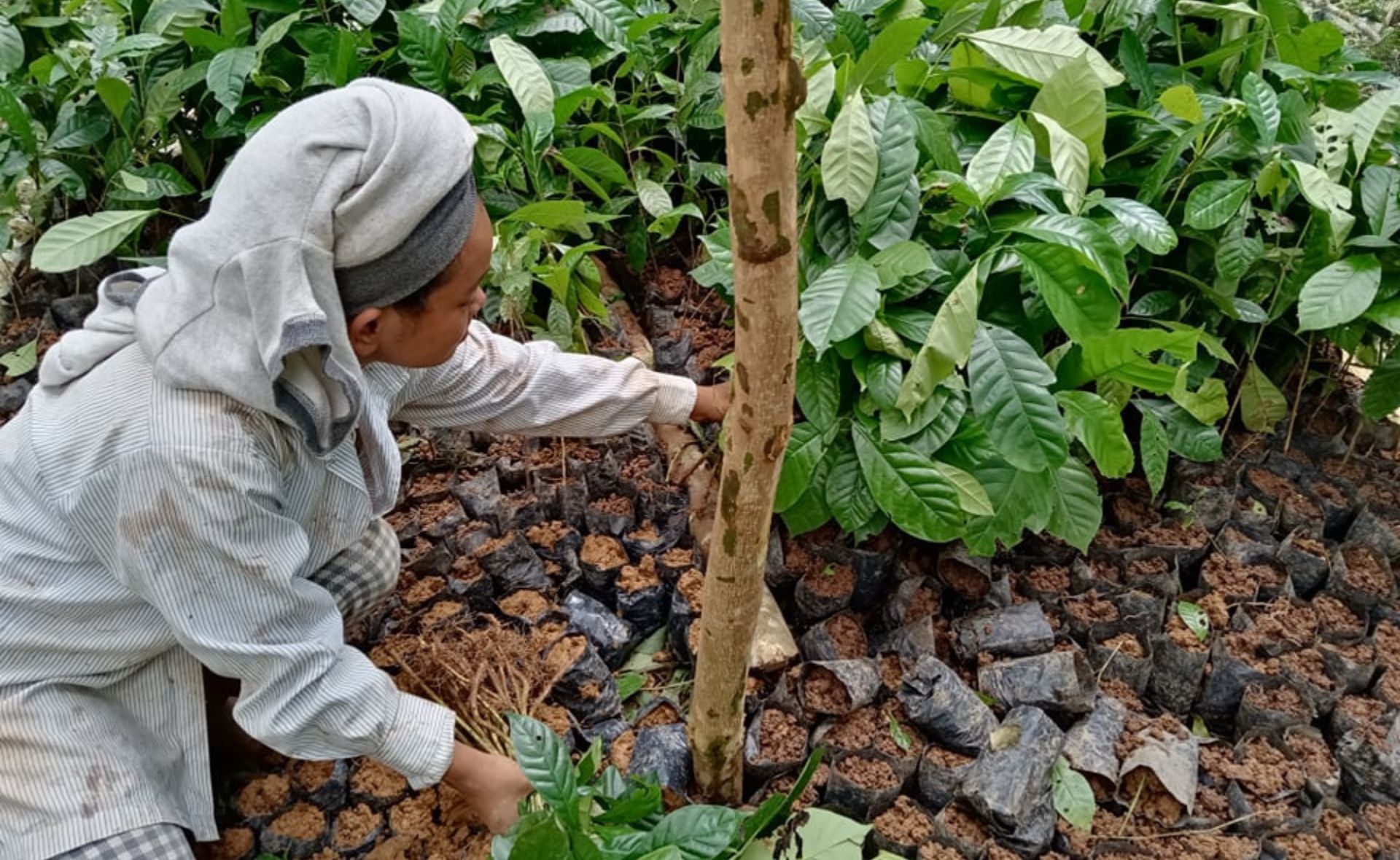
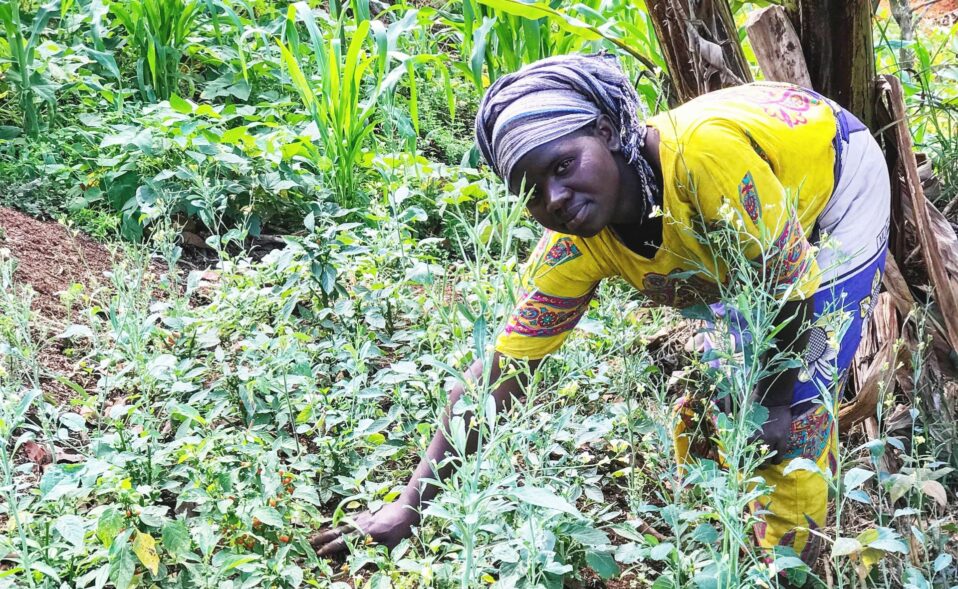
In Kenya, I met smallholder farmers whose trees, after three years, are now producing fruit.

What struck me wasn’t just the yield, it was the pride. These are people who have watched something they nurtured become tangible, useful, alive. And it’s not only about the fruit: the same trees have measurably improved the health of their livestock, feeding into a cycle of resilience that touches almost every part of a household’s life.
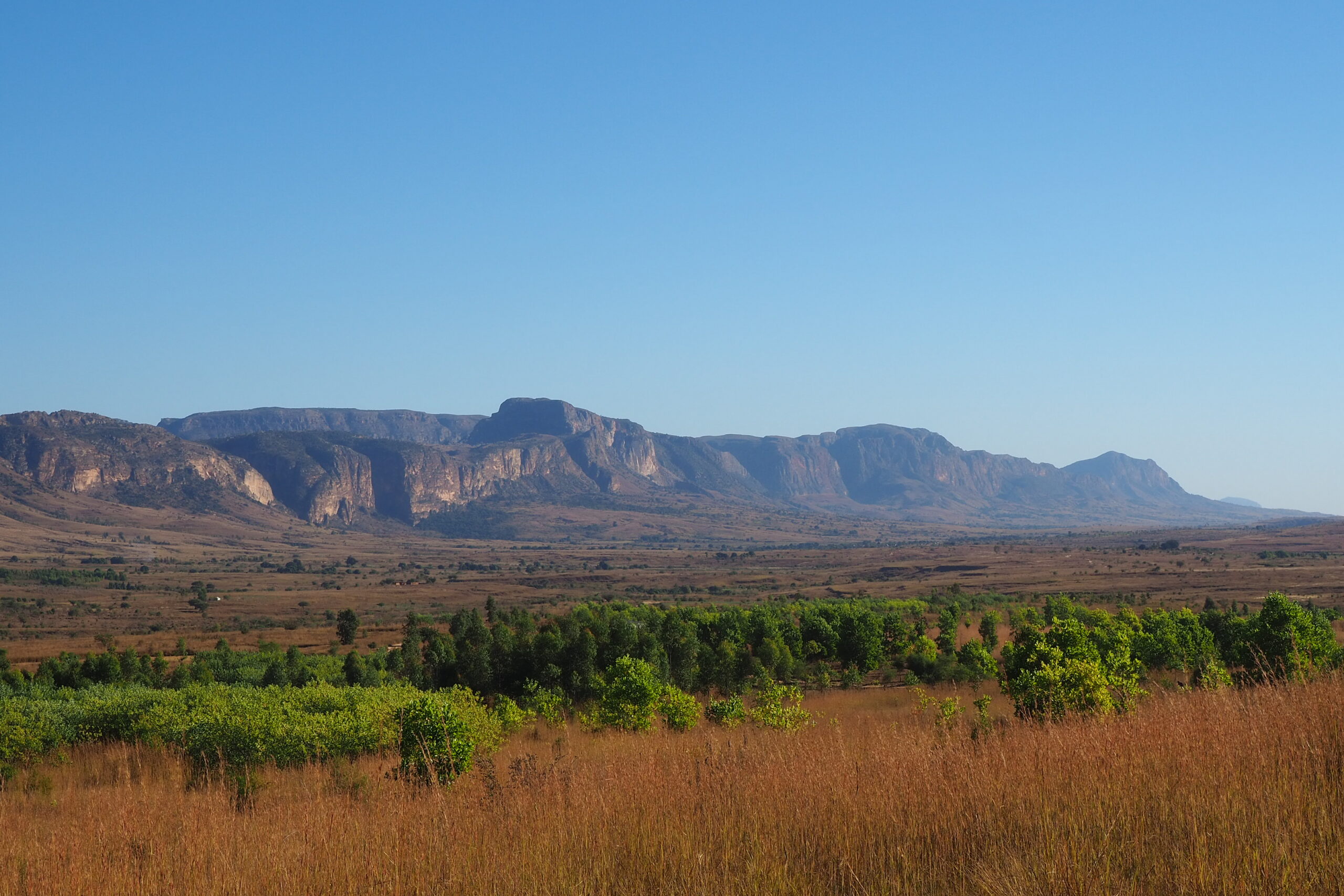
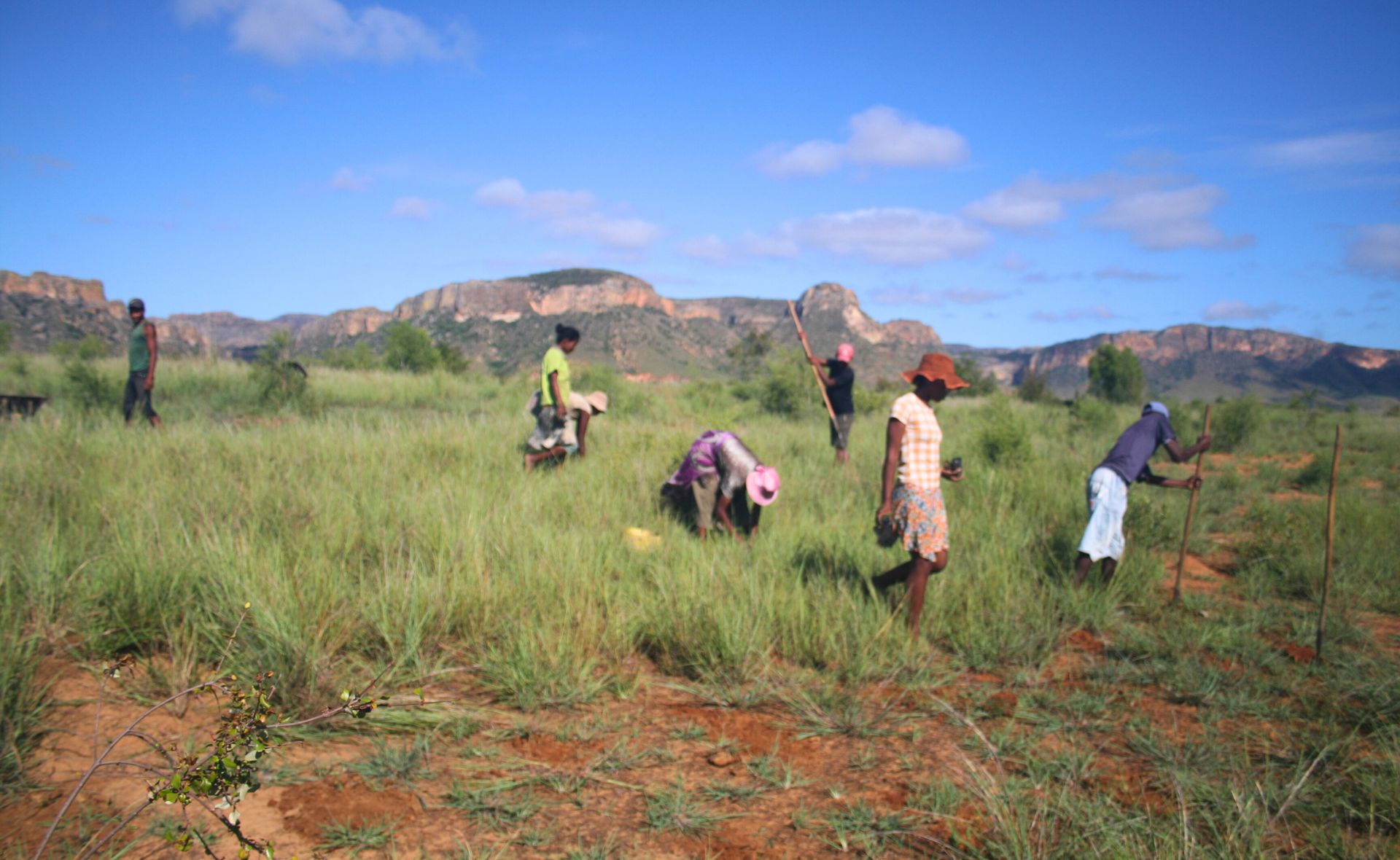
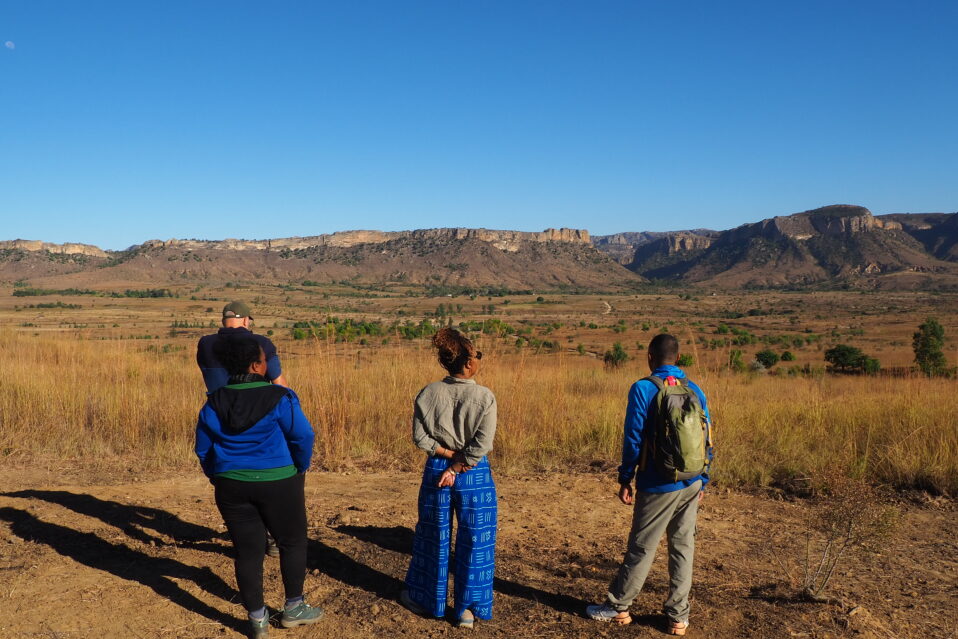
The Malagasy landscape Planeterra is helping to restore

In Madagascar, the story that stayed with me was about what happens when the tourism economy suddenly stops. When a crisis hits and visitors disappear, the trees don’t. 

Trees continue to provide an economic lifeline for the wider community, an alternative source of income and stability that doesn’t depend on who’s arriving at the airport that month. 

In a sector as exposed to shocks as tourism, that kind of buffer matters enormously.
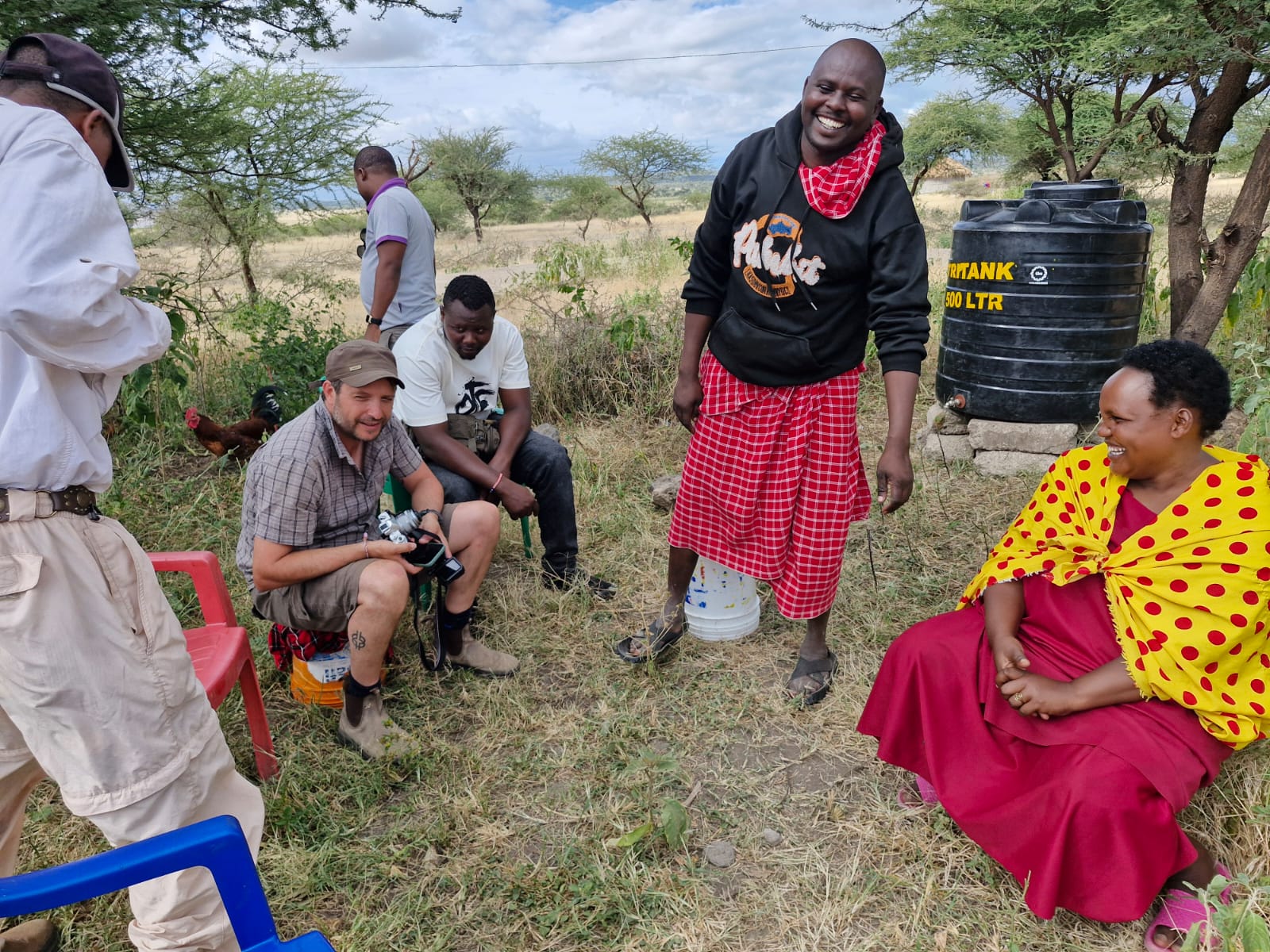
Interview with Suzana

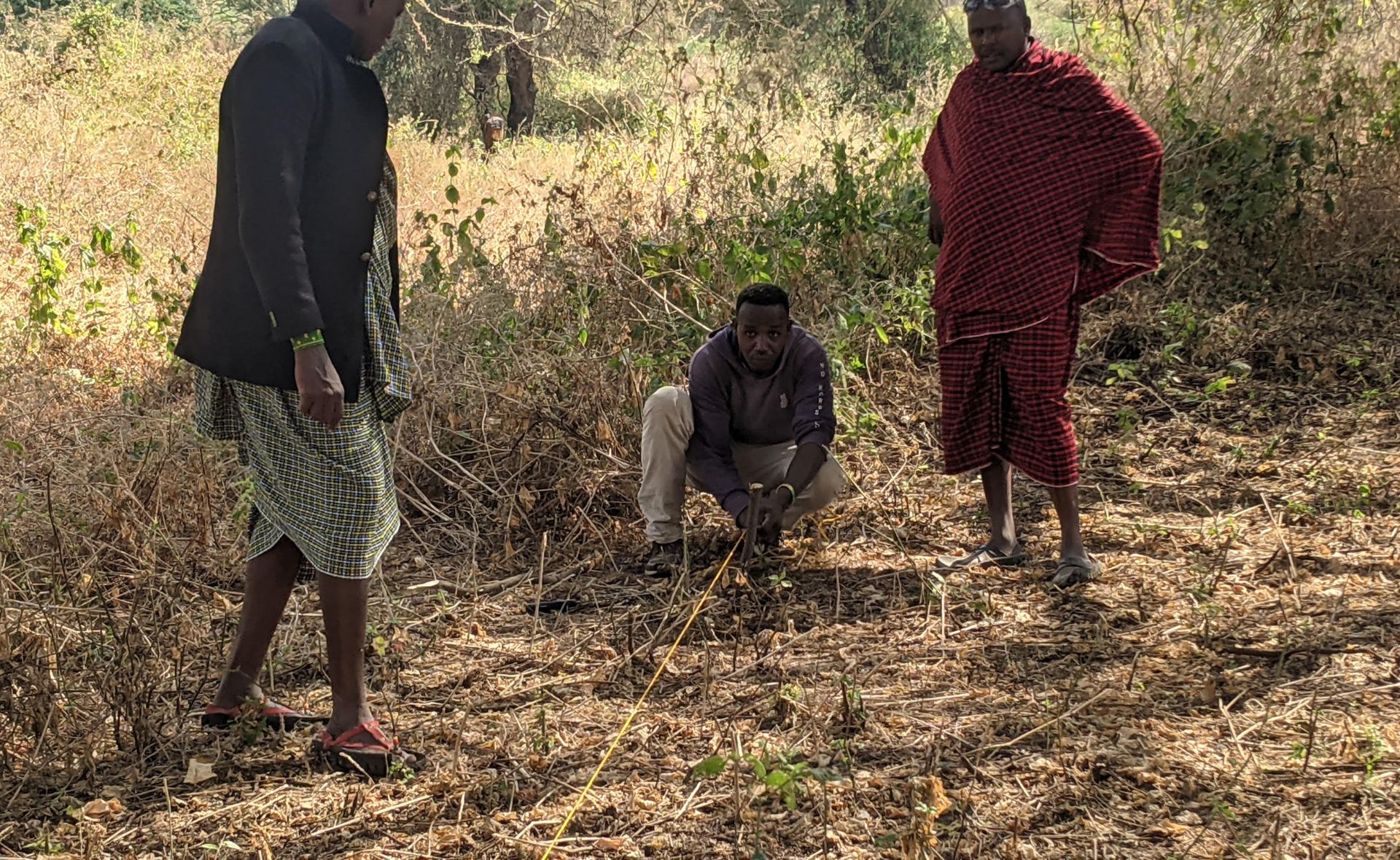
And in Tanzania, I was presented with the story that surprised me most. Trees planted along land boundaries are helping to reduce conflict over land ownership among Maasai communities, acting as permanent, living reference markers for where one Boma’s (the place where Massai set up their dwelling) land ends and another’s begins. 

I hadn’t fully appreciated that a tree growing programme could double as a peacebuilding tool, but there it was.

Beyond these headline examples, I encountered a much larger web of interconnected impact:

  • Women’s empowerment
  • Food security
  • Soil erosion stabilisation
  • Flood prevention
  • Drought resilience
  • Simple protection from unforgiving heat. 

These benefits don’t sit in isolation. They reinforce one another, and, in the right conditions, they last.

The numbers behind the story.

Verification trips like this exist because impact claims need to be tested against ground truth, not just reported and repeated. So here’s where things stand.

Over the last three and a half years, Planeterra has facilitated the growth of 6.3 million trees, and counting. These trees are estimated to be benefiting over 200,000 people, directly and indirectly, through employment, additional income opportunities, shade, improved crop yields, livestock health, flood and drought impact mitigation, food and water security, and the list goes on… 

The focus of this programme is to enhance community resilience to the impacts of climate change and improve wellbeing through biodiversity regeneration. 

The reality is that the people most impacted upon – and disproportionately so – by the impacts of climate change are the communities that Planeterra is in service to. This is why this work is important!

Of those 6.3 million trees, 2.6 million have now been growing for three years, and we estimate around 40% of these have reached maturity, meaning they’re beginning to sequester carbon from the atmosphere in earnest. 

Applying a weighted calculation with integrity adjustments drawn from established carbon verification methodologies, we estimate that these mature trees alone are currently sequestering approximately 31,600 tCO2e per year, a figure that will only grow as more of the trees mature.

And, for transparency’s sake, I’ll also share the other side of the ledger: my trip itself emitted an estimated 4.3 tCO2e. It’s a reminder that field verification, while essential, isn’t free of footprint, and that we should hold ourselves to the same standard of honesty we ask of the projects we assess.
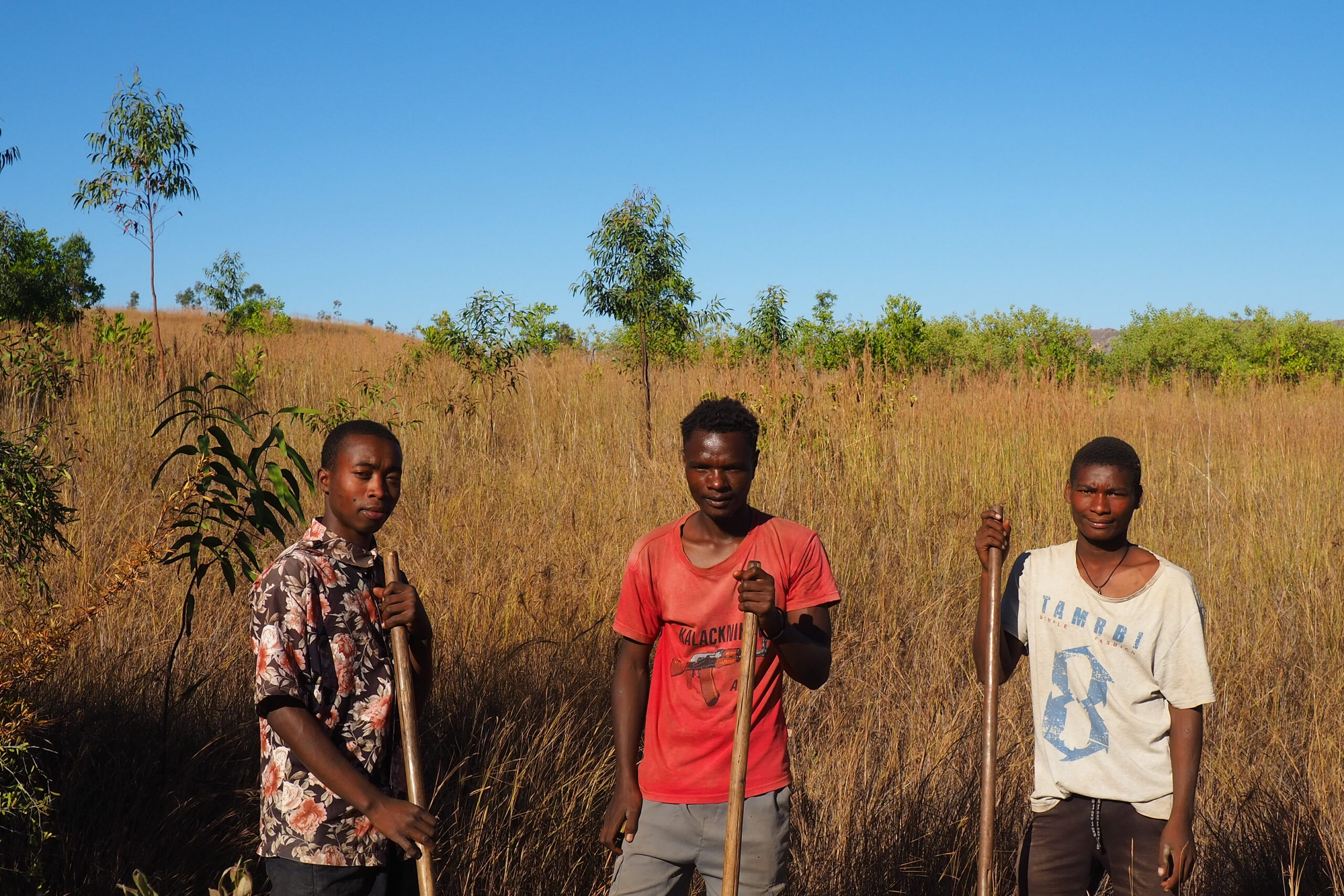
Members of Madagascar's firebreak team protecting community-grown trees.
What happens next

This trip wasn’t just about confirming what’s working. It was about learning what needs to change, and building that learning into how we operate. Three things are front of mind as we move forward:

  1. Refine our Measurement, Reporting, and Verification methodology. The realities I saw on the ground need to be integrated into how we monitor, report and verify, both from a reporting perspective and in how our field teams operate day to day.
  2. Recalibrate for ground-based realities. A programme built on projections is only as good as its ability to adapt when it meets the real world. We need to adjust our approach so it can scale without losing the nuance that makes it effective.
  3. Keep backing the right partners. Ultimately, this is about continuing to support the organisations and communities growing trees that create meaningful impact, for people and for landscapes, and doing so with the rigour our Travel Partners and supporters deserve.
A closing thought

It’s easy, from a desk, to think of tree growing programmes in terms of hectares, survival rates and carbon removal. 

Necessary metrics, all of them. But spending two weeks walking through the farms, boundaries and forests where these trees actually live reminded me why we do this work in the first place: not for the numbers, but for the people whose lives are quietly, steadily, being changed by something as simple as a tree taking root.

And in that vein, I wanted to invite you all to take a pause and ask yourselves a question: What positive impact can I have by allowing something – an idea, a project, an act of kindness – to take root?

Read more

Our Tree Growing Program

Uplifting communities one tree at a time

Planeterra Tree-growing Program

At Planeterra, we are dedicated to making a positive impact on our planet and its people. Our mission with this initiative is simple yet powerful:

“Growing Trees to Uplift Communities”

We firmly believe that by planting the right trees in the right places and for the right reasons, we can help communities build sustainable livelihoods, improve their well-being and become more resilient to the growing impacts of climate change.

Why Trees Matter

Trees are the lungs of our planet, providing us with clean air to breathe. But their importance goes beyond that. Trees play a vital role in restoring our planet, helping us rekindle our relationship with nature and addressing some of the world’s most pressing issues, including climate change, deforestation, and poverty. Here’s how:

Economic Benefits

Tree planting and management create income sources and jobs, especially in rural areas with limited employment opportunities, reducing poverty and elevating living standards.

Job Creation and Income Generation

Planting and growing trees provide local employment opportunities, especially for those skilled in agroforestry, horticulture, and forestry. Additionally, communities can explore income diversification avenues such as selling timber, fruits, nuts, or medicinal plants harvested from their cultivated trees.

Enhanced Environmental Quality

Trees reduce pollution, combat climate change impacts, conserve biodiversity and prevent soil erosion.

Food & Water Security

Trees provide nutrition, especially in food-scarce regions, enhancing the local diet’s quality and diversity through fruit and nut trees. Trees also protect watersheds and enhance water quality by preventing erosion, filtering out pollutants, and providing habitat for animals, resulting in cleaner and healthier water for communities.

Climate Resilience

Growing trees and restoring degraded land build resilient ecosystems, shielding communities from climate change effects like droughts, floods, and soil erosion.

Improved Health

Trees provide clean air, lessen heat and UV radiation effects, and encourage physical activity through recreational opportunities. Additionally, the therapeutic potential and health benefits of medicinal plants can enhance well-being by offering natural remedies for various health conditions, such as pain, inflammation, and immune support.

Increased Resilience

Trees contribute to community resilience against environmental challenges such as droughts, floods, and extreme weather events. They regulate local climates by offering shade, reducing evaporation, and releasing moisture.

Foster connections with nature

Modern society often encourages people to move away from their traditional, nature-centered beliefs and practices, which can diminish the deep-rooted pride that Indigenous communities hold in their connection to the natural world. Supporting communities in tree planting, cultivation, and protection helps rekindle this essential bond with nature, preserving ancestral knowledge and fostering a sense of pride that can be passed down through generations.

Our commitment to make a difference

Our tree-growing program is both inclusive and participatory. Planeterra collaborates directly with organizations representing local communities to ensure their active involvement in the planning, implementation, and monitoring of the project. This approach guarantees that the initiative is culturally appropriate, socially acceptable, and sustainable over the long term.

*Planeterra’s tree-growing program is just one component of our Global Climate and Biodiversity Initiative. Click here to learn more.

Growing trees in Partnership with Industry Leaders

We are proud to partner with organizations dedicated to creating a better future for all, such as G Adventures and Flight Center. They have made a commitment to plant trees every time a traveller purchases one of their services. Meanwhile, Planeterra works closely with our tree-growing partners to ensure your trees receive the care and attention needed to thrive in their new environment.

Also, to monitor the progress and achievements of the program, we collaborate with Reforest.

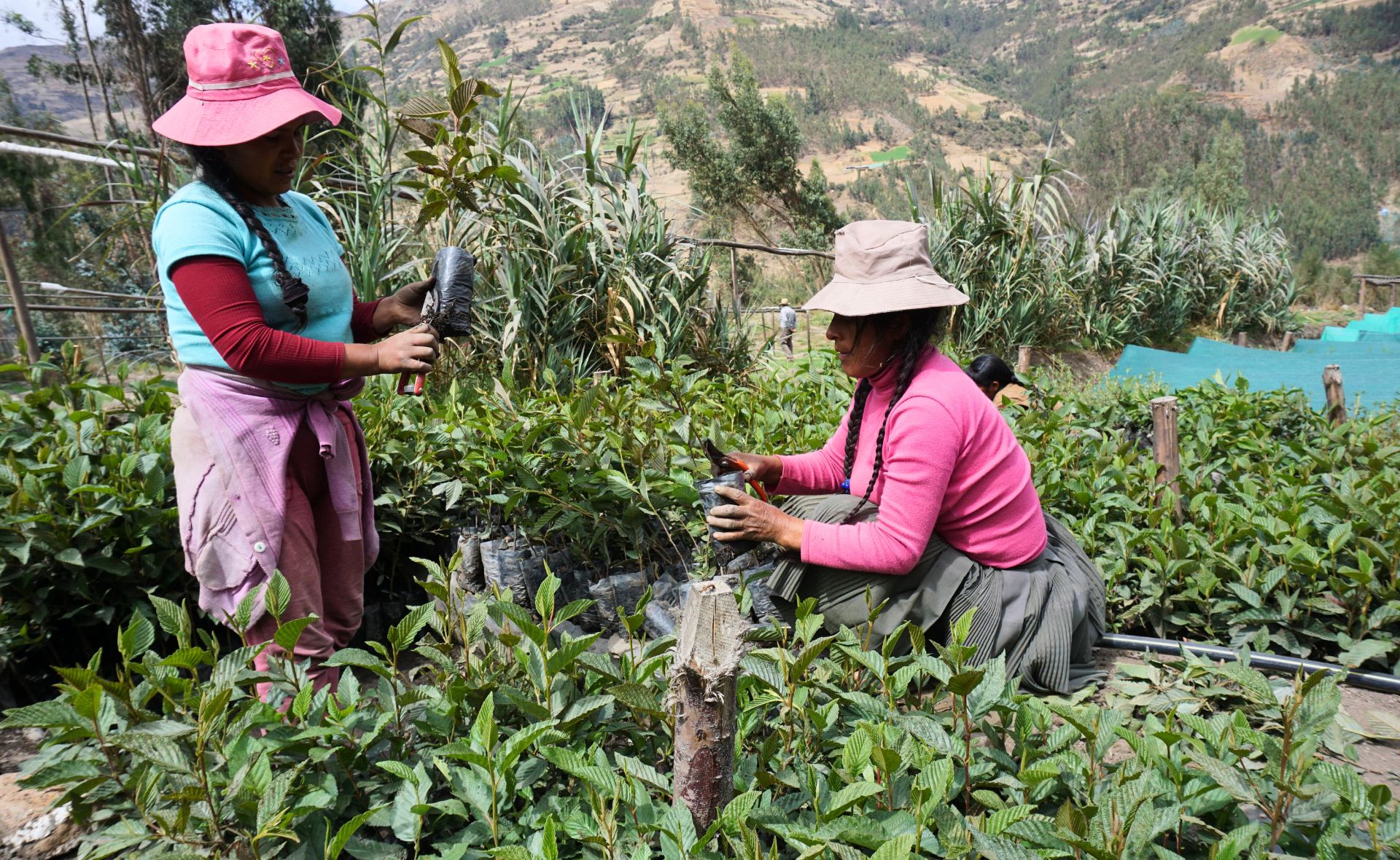
Fundación Bosquizar - Planting Polylepis
Pampa de Achala, Córdoba, Argentina
Fundación Bosquizar - Planting Polylepis Pampa de Achala, Córdoba, Argentina

Meet our Tree-growing Partners

Trees for Kenya

An NGO dedicated to reforestation collaborates with communities, Community Forest Associations, and the Kenya Forest Service to identify degraded lands. They assist farmers in planting diverse trees for benefits including fuelwood, timber, nitrogen balance, soil improvement, fruits, fodder, and agroforestry species, actively engaging schools in tree-planting initiatives.

Project: Mount Kenya Landscape Restoration (Kenya).

Tree Adoption Uganda

Through activities like tree planting and agroforestry, this youth-centric NGO is fostering resilience among smallholder farmers against climate change while empowering unemployed young people in rural communities of Uganda. This is achieved through education and training in establishing and managing indigenous tree nurseries and tree farms.

Project: Nakaseke Community Reforestation (Uganda).

Soa Zara 

Soa Zara is an association established in 2016 in Ranohira, located in the Ihorombe region of Madagascar. Its primary objective is to safeguard the environment and advance sustainable development. In addition to biodiversity preservation and reforestation efforts to restore wildlife habitats, the organization offers ecological alternatives to the local population.

Project: Soa Zara Reforestation Project (Madagascar).

Global Forest Generation

GFG’s first initiative, Acción Andina, led by Latin America’s conservation leaders, aims to restore and protect native Polylepis forests in the high Andes, crucial in addressing climate change.

Projects: Acción Serrana: Reforesting Polylepis mountains in Córdoba (Argentina), Restoration of Sierras Grandes de Córdoba (Argentina), Restoring the Biodiversity of the Jujuy Landscape (Argentina), Restoration of Native Vegetation Cover on the Southern Slope of Tunari National Park (Bolivia), Restoration of Polylepis Forests in the Northern slope of Tunari National Park (Bolivia), Ancestral Communities Bringing Back Forests in Vilcanota (Peru), Ancestral communities recover forests in Q’ero (Peru), Reforesting high-Andean cloud forest in Cajamarca (Peru), Reforesting Nor Yauyos Cochas Landscape Reserve (Peru), Restoration of High Altitude Forests in Ccorca (Peru), Restoration of High Andean Cloud Forests in the Challabamba (Peru), Restoring ancient forests in Aquia (Peru).

The High Atlas Foundation

A Moroccan association and a U.S. nonprofit promote organic agriculture, women’s empowerment, youth development, education, and health in Morocco. They produce fruit trees, benefiting livelihoods and environments while fostering partnerships between people, government, and intercultural groups.

Projects: Maskarat Nursery – El Khair Women’s Cooperative (Morocco), Maskarat, Ras El Qasr Commune (Morocco).

Eden Reforestation Projects

Collaborating closely with communities facing extreme poverty to address the devastating effects of deforestation on natural landscapes, Eden Reforestation Projects has employed thousands of local community members, equipping them with the essential knowledge and tools to plant, nurture, and safeguard millions of trees annually until maturity. Presently, the organization’s initiatives result in planting an impressive 15 million trees each month.

Projects: Mahelmudi, Kalikot District (Nepal), Indrawati, Sindhupalchowk District of Bagmati Province (Nepal), La Tigra Agroforestry, Francisco Morazan (Honduras), Ankilahila 1 Mangrove project, Mahamavo River estuary (Madagascar), Zala Titi Reforestation Project, Quelimane District (Mozambique), Tana Delta Mangrove project, Kilelengwani and Ozi villages (Kenya).

AMBA Estate

An organic farm, guesthouse, and social enterprise nestled in the Uva Highlands of Sri Lanka, their mission is to maximize local employment and incomes while preserving and restoring the natural environment. Collaborating closely with the local community, they produce and export a range of artisanal products. Moreover, they offer guests the opportunity to relax and recharge in one of the most beautiful spots in Sri Lanka, surrounded by 130 acres of mountains, waterfalls, caves, forests, and tea fields.

Project: Ambadandegama Reforestation Initiative (Sri Lanka).

Plant With Purpose

For over 35 years, Plant With Purpose has been empowering local organizations and community leaders to create a localized movement among rural communities focused on reforesting and replenishing watersheds around the world. They have successfully planted more than eight million trees each year, approaching a total of 50 million trees. This movement is continuously growing, with farmers, mothers, fathers, youth, and elders actively reforesting the watersheds in their own communities. As these trees are planted, people come to understand the value of trees for their livelihoods and the local environment.

Projects: Community forestry for human rights (Thailand), Reforestation in the Shadow of Mt. Kilimanjaro (Tanzania).

International Collaborative (ICSEE)

ICSEE is a non-profit organization dedicated to improving life in East African communities, particularly the Maasai in Tanzania, through the Maasai Stoves & Solar Project. ICSEE focuses on enhancing rural life and the environment by empowering women and promoting clean cookstoves, local economic development, water, livestock, trees, and solar power.

Project: Mazingira Project (Tanzania).

Restoration Era (ERA)

ERA is dedicated to transforming both livelihoods and the environment. Their mission includes creating sustainable employment opportunities and social enterprises to enhance community well-being. In parallel, ERA focuses on restoring local environments to improve agriculture, water access, and biodiversity. They understand that achieving lasting environmental change starts with addressing the needs of the communities they serve.

Project(s): Blue Amazon Restoration Project (Brazil), Guatemala Mountains to Mangrove Restoration Project (Guatemala).

Veritree / Sea Forests

Veritree connects businesses with verified tree-planting projects to help restore our planet. Their mission is to create local jobs, sequester carbon, and restore ecosystems. By harnessing the power of businesses and individuals, Veritree aims to collectively drive planetary restoration. They serve as a catalyst for change, guiding the transition from an extractive to a restorative economy.

Project: Pacific Coast Kelp Restoration (Canada).

GHE

GHE engages travellers and businesses in building resilient communities through sustainable development and climate-positive travel. GHE pioneers the use of sustainable tourism and technology to create a significant impact on rural communities. Their projects target clean energy, health, education, livelihood, and afforestation, driving positive change across multiple sectors.

Project: Umswai Valley Reforestation Initiative (India).

Tribes & Defenders of Nature

Tribes and Nature Defenders, a non-profit led by Indigenous people in the Philippines, was established by the Tribal Council of Elders. The organization addresses issues such as protecting sacred forests, ensuring food security, and resisting capitalist encroachment. Led by a tribal board and community workers, they focus on development projects that tackle poverty, health, education, livelihoods, and environmental and cultural preservation.

Project: Planting Native Trees: Restore Ancestral Landscape, Retain Culture and Wildlife (Philippines).

Sunder Rang

Sunder Rang supports the women of Chandelao by enhancing their skills and income through education and broader exposure. Their plantation drive focuses on native trees and shrubs suited to Rajasthan’s arid environment, aiming to restore ecosystems and increase carbon storage.

Project: Growing trees, supporting the community of Chandelao (India).

Donate to Make a Difference

Join us on this journey! Your support is crucial to the success of our initiatives. By clicking the “Donate” button below, you are directly helping us in uplifting communities around the world.

Read more