What happens when you move beyond creating individual community tourism experiences and start integrating them into the wider tourism system?
Since August 2025, Planeterra and the DERTOUR Foundation have been exploring this question in practice, working together to integrate community tourism enterprises across Greece, Spain, and Thailand into DERTOUR’s product offerings.
The partnership demonstrates that community tourism does not need to be limited to niche travellers or alternative tourism. When communities are supported and tourism companies are willing to adapt their approach, community tourism can become part of mainstream travel, including destinations traditionally associated with mass tourism.
The DERTOUR Foundation supported this work through funding, while also helping connect Planeterra with DERTOUR Group teams and Destination Management Companies (DMCs) to explore how community tourism experiences could be integrated into existing travel offerings.
The work has reinforced a key lesson: community tourism does not scale simply by creating more experiences. It grows when communities have the support, partnerships, business skills and access to tourism markets needed to participate meaningfully in travel over the long term.
Building community tourism is not just about developing a great experience. It requires aligning community priorities with tourism operations, strengthening business capacity, understanding market expectations, and creating the right conditions for sustainable growth.
Moving Community Tourism from Experiences to a Sustainable Tourism Model
For many community tourism enterprises, reaching travellers requires more than a compelling story or unique experience. Communities need access to the tools, training, operational knowledge, and market pathways that allow them to successfully engage with tourism.
Through this partnership, Planeterra and the DERTOUR Foundation worked together to create a structured approach that supports community tourism enterprises at different stages of readiness. This included:
- Identifying and assessing potential community tourism enterprises
- Supporting communities through training and capacity building
- Strengthening experiences and operational systems
- Aligning community tourism offerings with DERTOUR’s product development processes
- Helping communities understand what is needed to work with tourism operators and welcome more travellers.
A key focus was ensuring community tourism was not treated as a separate alternative, but as a meaningful part of how travel is designed and delivered.
Bringing Community Tourism Experiences to Market Across Thailand, Greece, and Spain
The partnership supported five community tourism enterprises across three destinations. While each destination had different needs, the work revealed that market readiness is not a fixed point, it is a process.
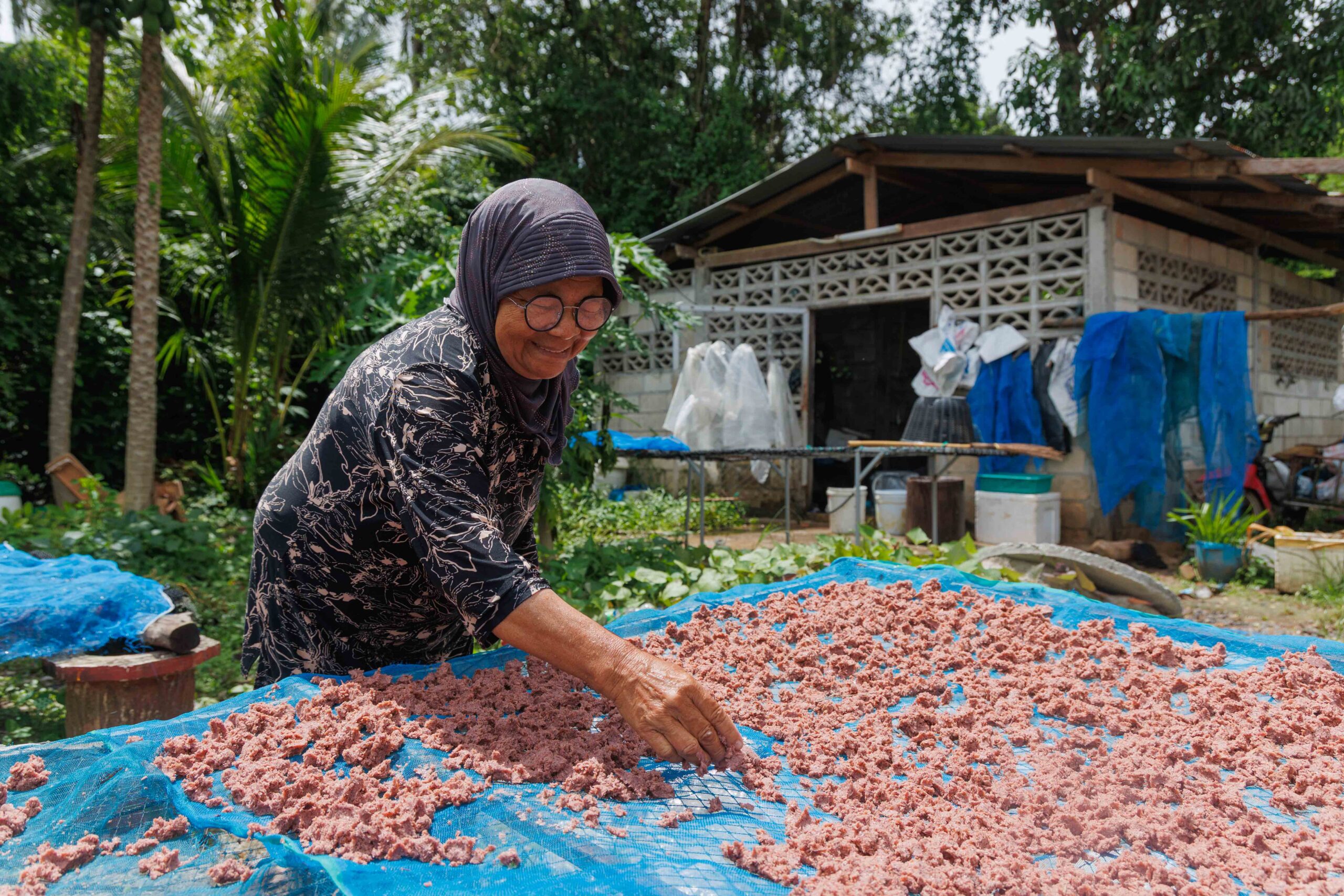
In Thailand, the focus was on connecting existing Planeterra-supported community tourism enterprises with DERTOUR’s supply chain.
The two selected communities, Laem Sak Community Tourism in Krabi and Khao Thep Pitak Community Restaurant in Surat Thani, already had strong foundations. The work focused on aligning operational details, strengthening communication between stakeholders, and ensuring the experiences were ready for travellers.
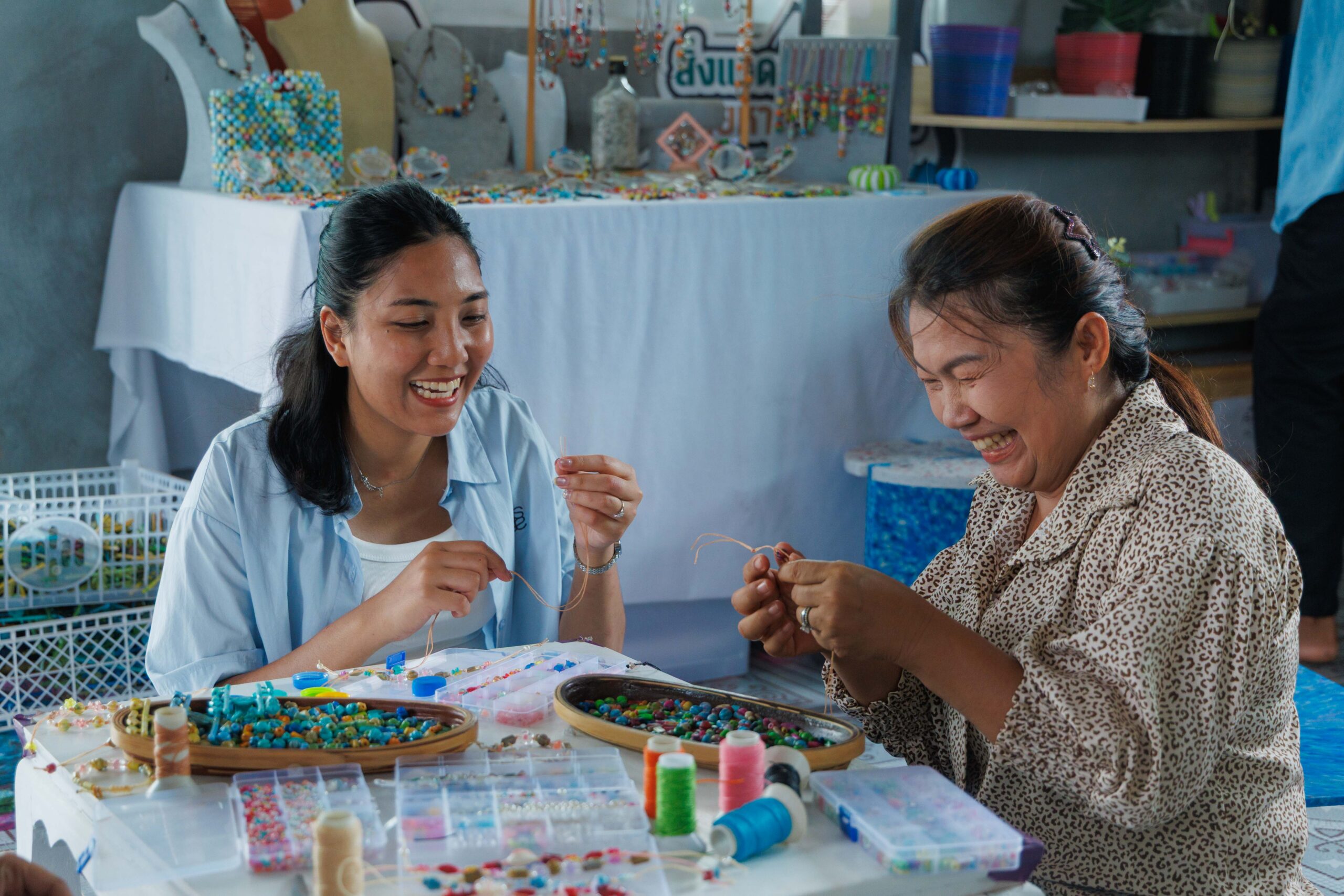
Laem Sak Community Tourism (Krabi, Thailand)
Laem Sak demonstrates how tourism can support the celebration of local cultural and environmental action. The coastal community offers village walks, local food experiences, and upcycling activities that connect visitors with the stories, traditions, and sustainability initiatives of the community.
Khao Thep Pitak Community Restaurant (Surat Thani, Thailand)
Khao Thep Pitak shows how tourism can transform a missed opportunity into shared prosperity. Once a scenic stop where visitors rarely engaged with local residents, the community has developed an ecotourism model that includes homestays, local meals, guided activities, and a community fund that reinvests tourism income locally.
The key lesson from Thailand was that even established experiences require careful integration. Contracting, logistics, pricing, guide coordination, and storytelling all need to align before an experience can successfully enter a tourism supply chain.
In Greece, the focus was on supporting community tourism enterprises that required further development before market integration.
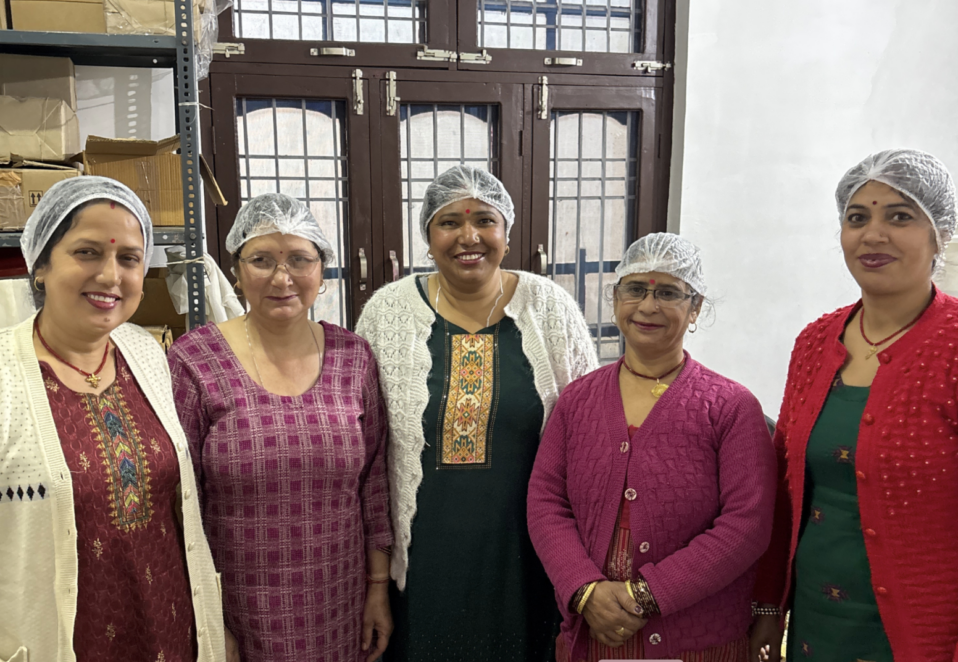
In Crete, Planeterra worked with the Women’s Cooperative of Kritsa and the Carob Mill Arts and Cultural Centre (Epimenides) to strengthen experiences, operational capacity, and readiness.

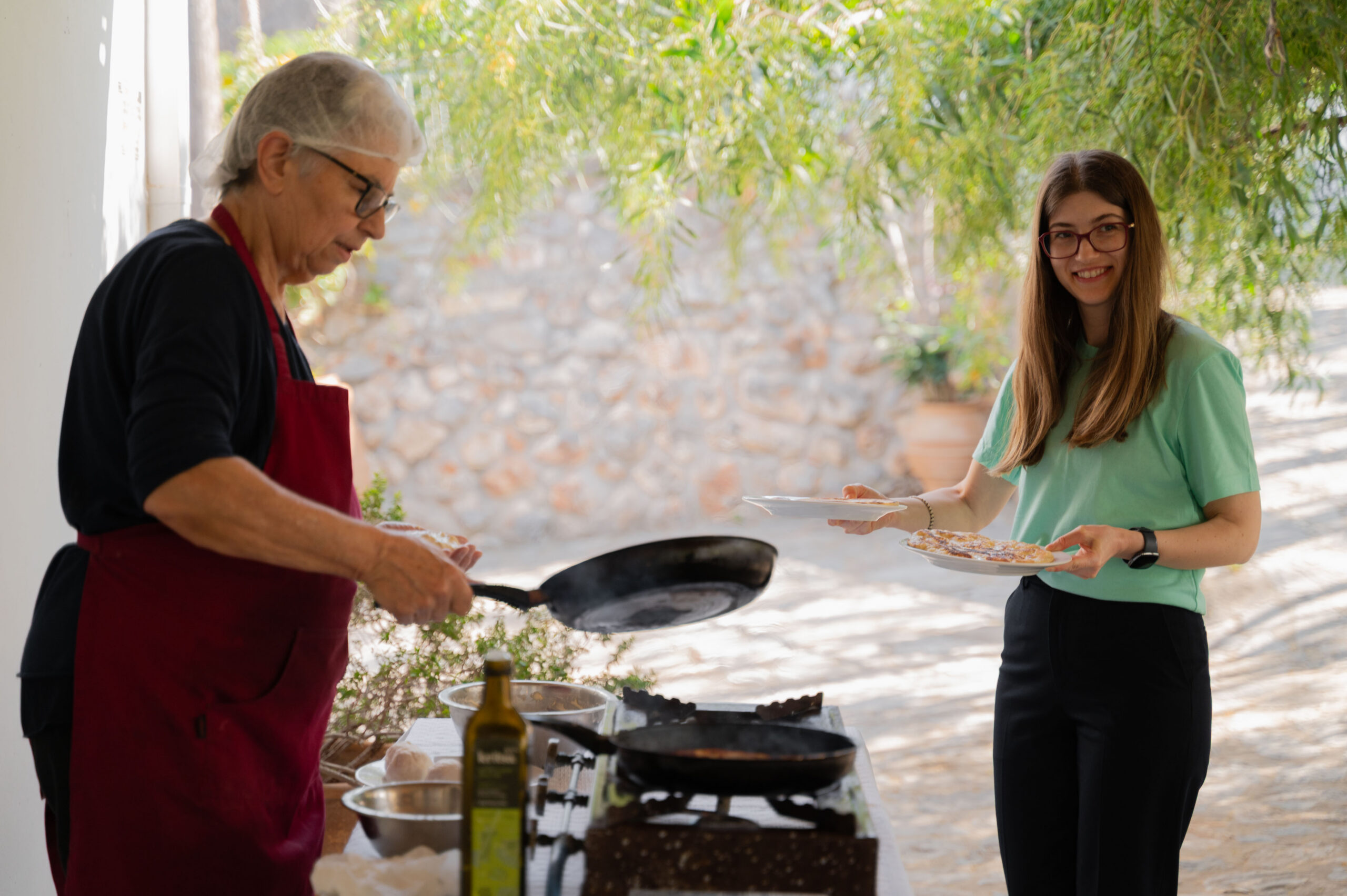
Women’s Cooperative of Kritsa (Crete, Greece)
The Women’s Cooperative of Kritsa, founded in 2009 and led by women, preserves Crete’s culinary traditions through cooking classes, tastings, and shared meals. By transforming traditional food knowledge into visitor experiences, the cooperative creates income opportunities while strengthening women’s leadership and protecting cultural heritage.
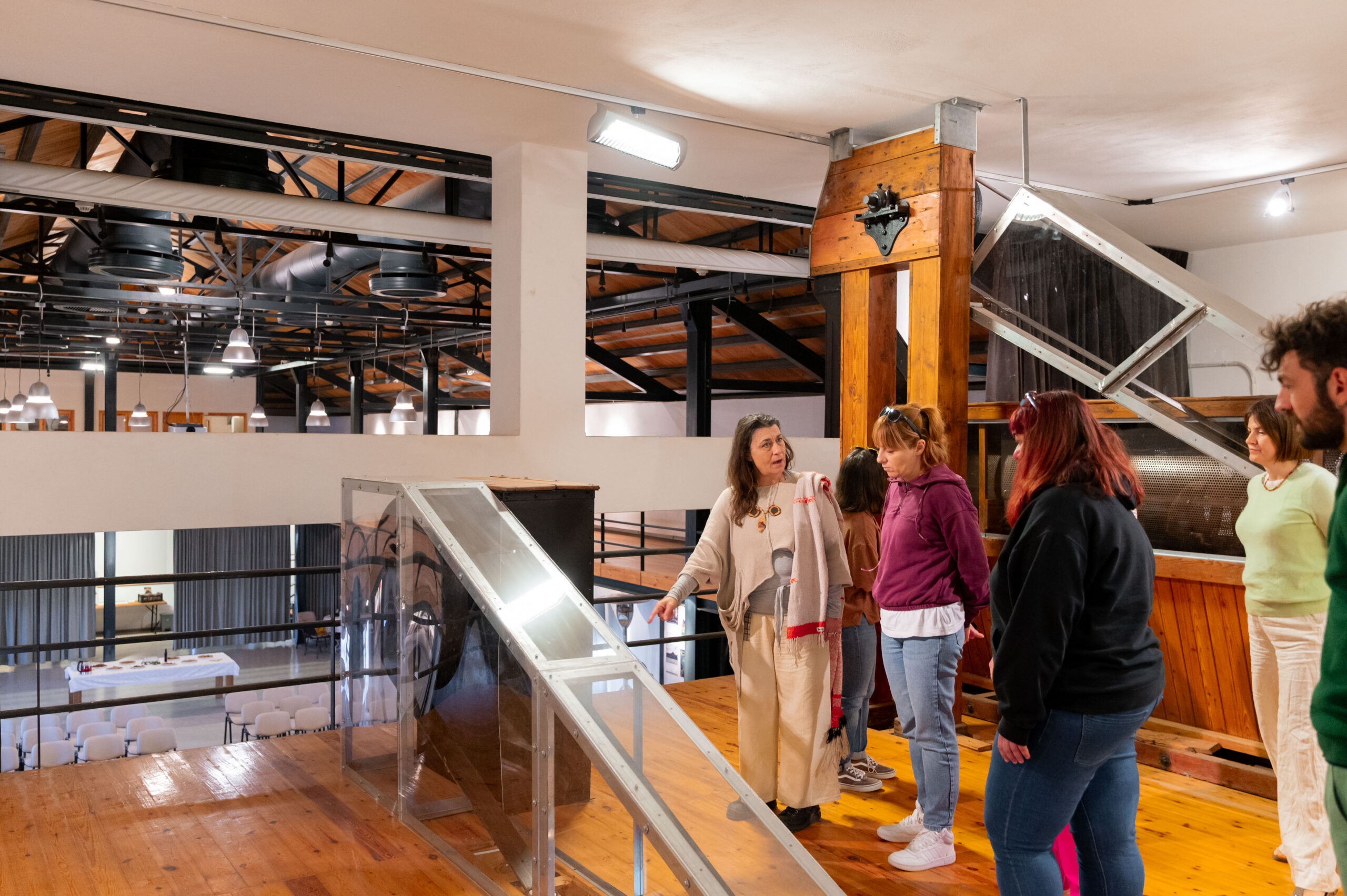
Epimenides Cultural Society of Panormo (Crete, Greece)
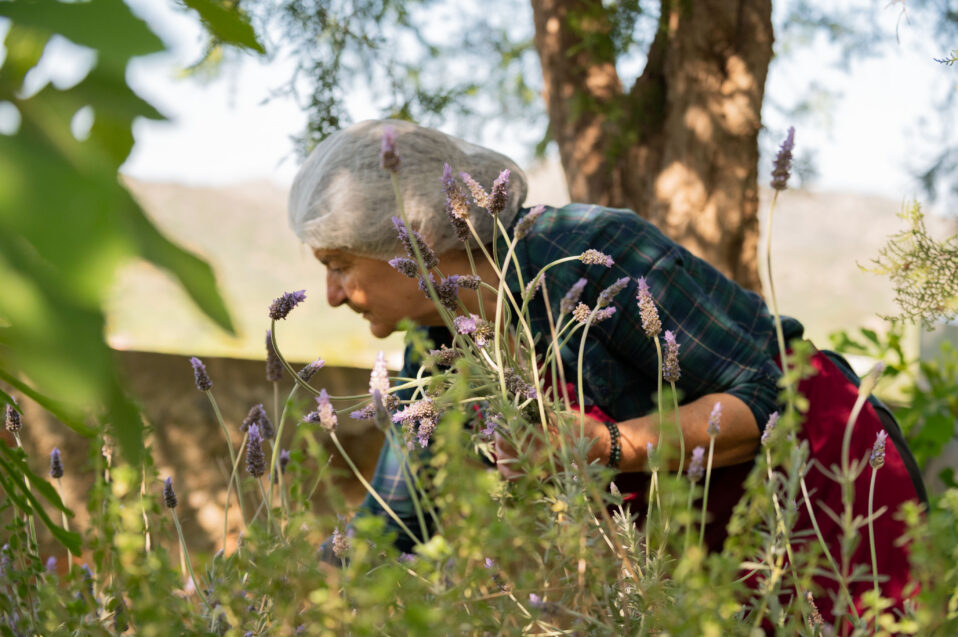
The Epimenides Cultural Society of Panormos has revitalized the historic Carob Mill as a cultural space while promoting the importance of the carob tree as both a heritage resource and a symbol of sustainability. Through collaboration with local producers and researchers, the organization is helping preserve traditional knowledge while supporting environmental resilience.
The experience in Greece highlighted that community tourism development must be flexible and responsive to local realities. Progress depends on coordination between communities, destination partners, sustainability teams, and tourism operators, and these relationships take time to build.
ASOQUEGRAN – La Jaira de Ana (Gran Canarias, Spain)
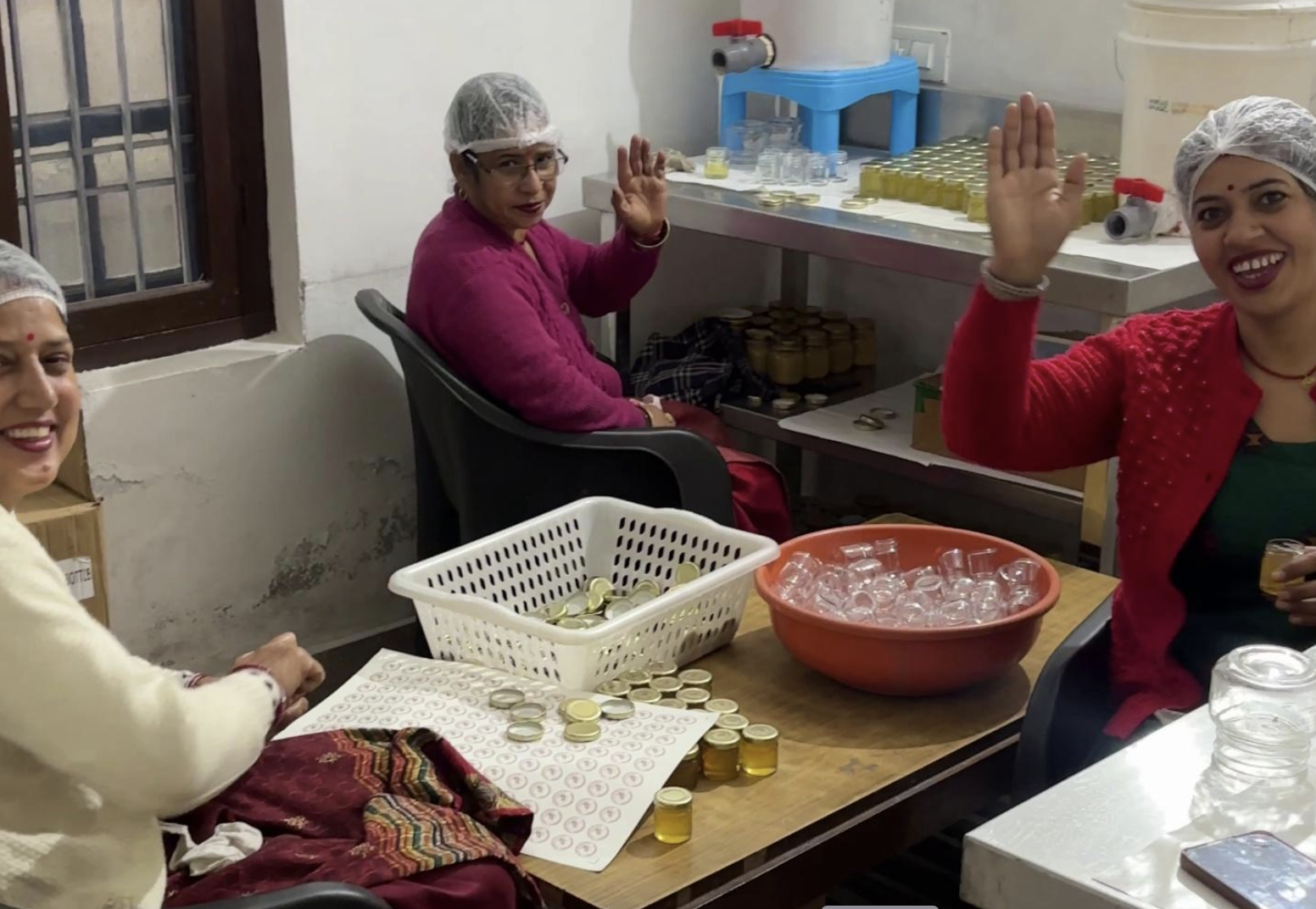
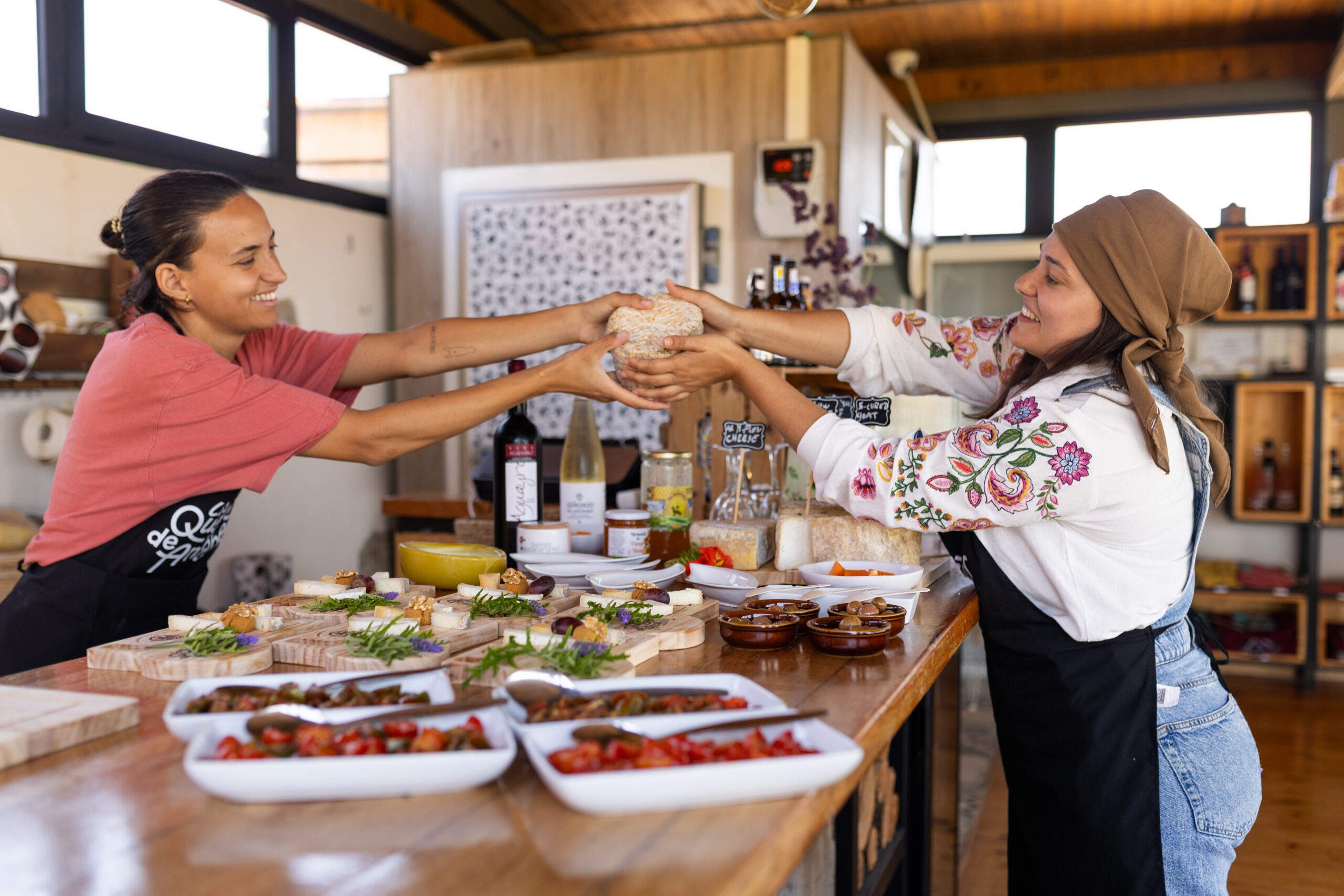
In Spain, the partnership supported ASOQUEGRAN – La Jaira de Ana, a family-run farm experience connected to a network of artisanal cheesemakers preserving traditional cheese production.
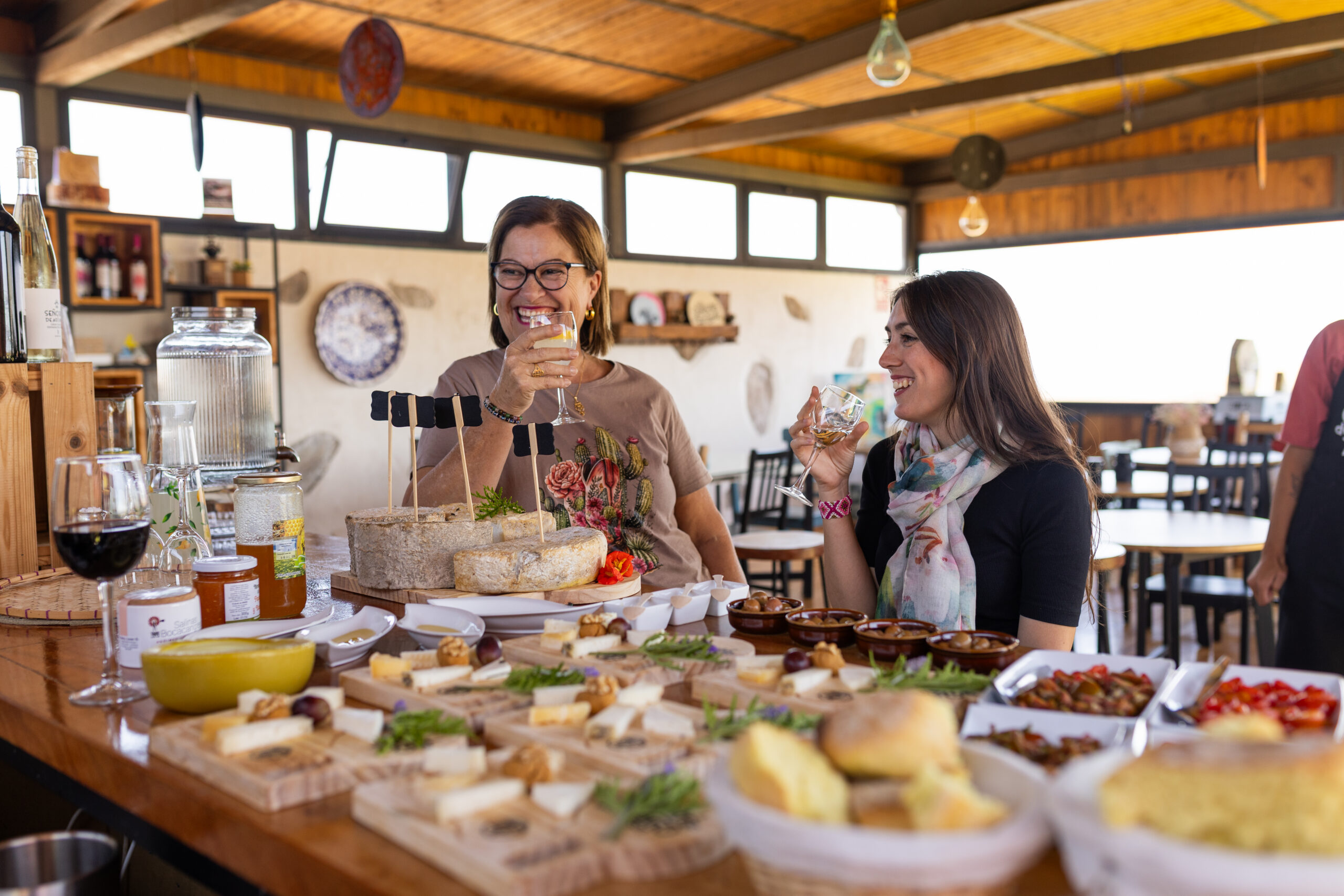
The experience invites travellers into local agricultural traditions through activities such as cheese-making, goat milking, and food tastings. Beyond the visitor experience, the initiative supports rural livelihoods, protects native breeds, and promotes sustainable food systems.
The project also demonstrated the importance of adaptability. Community tourism development does not always follow a straight path, and flexibility is essential when timelines, partnerships, or local conditions change.
Learn more about our work in Spain here
Building Community Tourism Requires More Than Individual Experiences
The first year of implementation highlighted that making tourism more responsible requires collaboration across the entire travel supply chain: communities, tourism operators, destination partners and organizations supporting local development. Here are several lessons that apply across destinations:
1.Market readiness must be built, not assumed
A community tourism experience becomes market-ready through a combination of strong community foundations, operational support, training, and market alignment. This requires:
- Understanding local realities
- Identifying development needs early
- Building confidence and capacity
- Creating realistic pathways into tourism systems
2.Long-term partnerships make transformation possible
Integrating community tourism into mainstream travel requires collaboration between organizations with different roles, timelines, and expertise.
The DERTOUR Foundation partnership created the space for this collaboration by bringing together community development expertise, tourism operations, destination knowledge, and access to the wider tourism market.
This kind of partnership is essential because sustainable integration cannot happen through short-term interventions alone. It requires time, ongoing alignment, trust-building, and shared commitment.
3.Community tourism grows through ecosystems, not individual projects
While five experiences are moving toward integration into DERTOUR’s offerings, the partnership is also strengthening the broader community tourism ecosystem.
An additional 11 Community Tourism Enterprises in Spain and Greece have been onboarded into the Planeterra Community Tourism Network, gaining access to:
- Training and learning opportunities
- Technical support and coaching
- Peer exchange with global community tourism organizations
- Future funding opportunities through the Global Community Tourism Fund
This approach recognizes that communities are at different stages of development. Some are ready to welcome travellers today, while others are building the skills, confidence and connections needed for the future.
Looking Ahead
The work with the DERTOUR Foundation demonstrates that community tourism integration is not simply about adding new experiences to itineraries. It is about changing how tourism connects with communities and ensuring that more of the benefits of travel reach local people.
When community development, product design, commercial alignment, and long-term support come together, tourism can become a stronger tool for local economic opportunity, cultural preservation, and environmental stewardship.
What started as a partnership to bring community tourism experiences to market is becoming an example of how mainstream tourism can evolve to create more meaningful benefits for communities.