
Women

Reclaiming the Story of Isla Maciel Through Community Tourism

When Carla Fodor was principal of the only secondary school in Isla Maciel, she noticed something that deeply concerned her.

Many students were reluctant to say where they lived.

“Many young people had a very diminished view of the place where they lived,” Carla explains. “There was little knowledge about the history, roots, and heritage of the territory, and in many cases, students even felt ashamed to say where they came from.”

Located just across the river from Buenos Aires, Isla Maciel has long carried a strong external stigma, often associated only with violence or crime. Those narratives shaped how young people saw themselves and their community.

That question became the beginning of a project that would eventually grow far beyond the classroom.
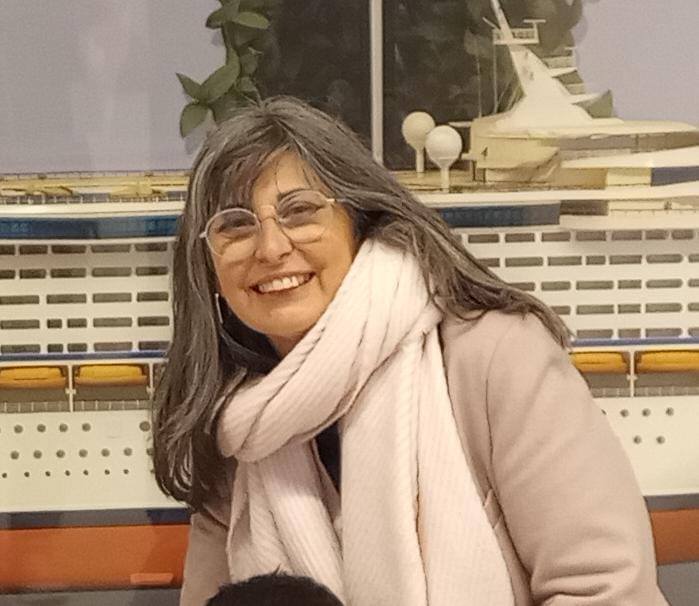
Carla Fodor Museo Comunitario Isla Maciel (Buenos Aires, Argentina)

A project born from education

The initiative first started as a pedagogical experience.

Students began exploring their own neighbourhood: interviewing residents, documenting stories, and learning about the history and culture of the place they called home.

“It was a way to look at the territory again,” Carla says, “to recover local stories, knowledge, and memories, and to create space for young people to recognize themselves as part of a place with value.”

Two years later, neighbours began to join the initiative. What started as a school project soon evolved into a community effort.

Eventually, the initiative became the Isla Maciel Community Museum, a civil association built and sustained by local residents.

Community Tourism as a new chapter

As the project grew, the community began exploring how visitors could learn about Isla Maciel directly from the people who know it best.

Through community tourism initiatives supported by partners like Planeterra and its travel partners such as G Adventures, travellers are now welcomed to experience the neighbourhood through guided visits and cultural exchanges.

But for Carla, the most meaningful impact goes beyond tourism itself.

“One of the things that makes me most proud is witnessing the transformation of the people involved in the project,” she says.

“Seeing their processes of growth, how they gain confidence, and how they move from participating shyly to becoming active and decisive members continues to teach me every day. The project does not only receive visitors; it also transforms those who sustain it.”

Stories that break stereotypes

Visitors often come to Isla Maciel with curiosity, but they leave with something more.

“Travellers often highlight the closeness, the ease of a hug, and the simplicity of our storytelling,” Carla says.

“They value meeting people who can always add a ‘bonus track’ to the narrative, because what is shared is not memorized, it is lived.”

One of her favourite memories comes from a cultural exchange with a group of secondary school students from Denmark.

Nearly eighty young people arrived with many preconceived ideas about the community and about Argentina.

But those perceptions quickly changed.

“They ended up sharing dulce de leche cake, laughing out loud in an improvised football match, even though they played quite badly,” Carla remembers with a smile.

“By the end, they left hugging us. For me, that says more than any explanation ever could.”

View of the main street of the neighborhood

Building something together

Over the years, partnerships, trainings, and collaborations have helped strengthen the organization.

But Carla emphasizes that the project has always been built collectively.

“Our organization was never built alone,” she says.

“When we were just ten people meeting in a cold, dark space, many organizations trusted us when there were no visible results yet. They believed in what we were proposing.”

That trust allowed the community to slowly transform the space, repairing the roof, creating workshops, building an auditorium, and establishing cultural programs.

“Without that network of support, trust, and shared work, we would not be who we are today.”

Looking ahead

For Carla, the future of the initiative is rooted in the same values that guided its creation more than a decade ago.

“I hope this work continues to generate stability and real opportunities, especially for young people,” she says. “I hope families can imagine their future here without feeling that leaving is the only option.”

For her personally, the connection to the community has become deeply meaningful.

“Being called ‘Carla de Maciel’ means more to me than any academic degree,” she says.

“It is a form of belonging that carries enormous meaning.”

And for those who visit Isla Maciel, Carla hopes they leave with one simple realization.

“I would like them to remember that they did not just visit a place, but shared a moment with real people.”
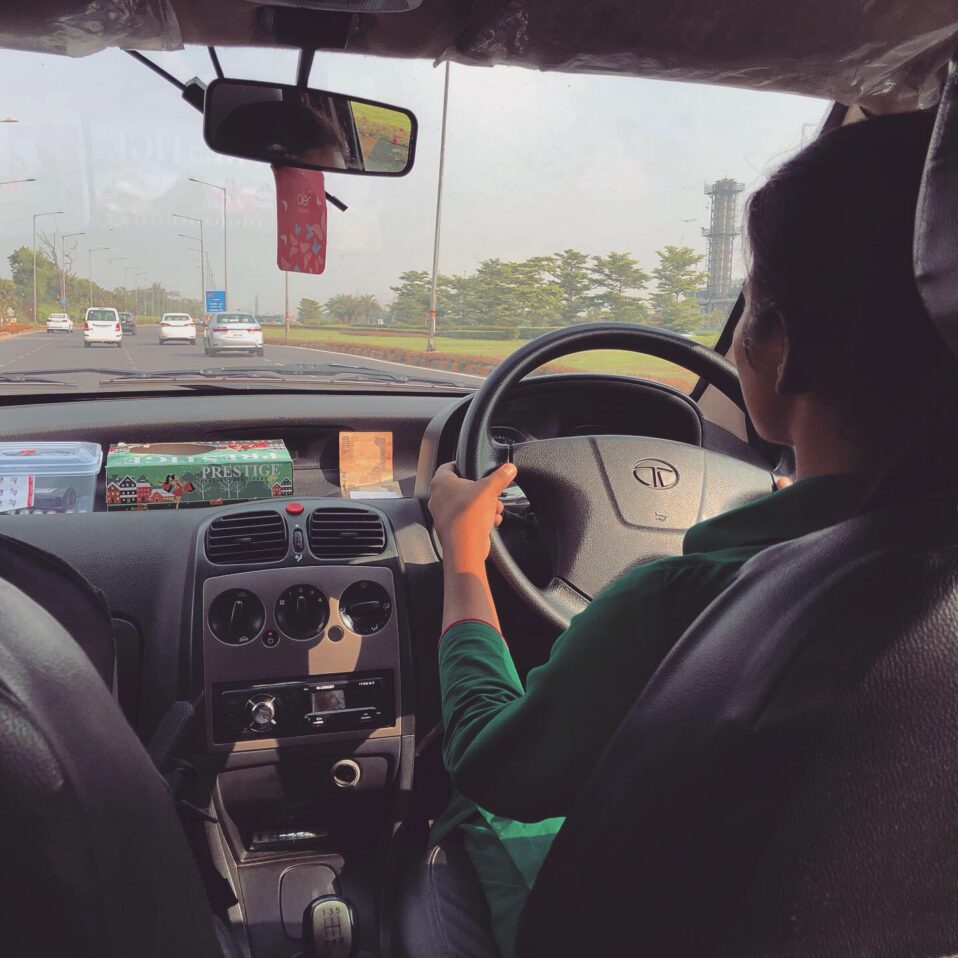
Read more

Women with Wheels is driving change one journey at a time in India

In cities across India, mobility has long been a barrier for women,  a reflection of deeply rooted gender norms that limit opportunity, independence, and safety. Sakha Consulting set out to change that through many initiatives, one of them being its Women with Wheels program.

Women with Wheels -Sakha Consulting

What began as a bold idea to put women behind the wheel professionally has grown into a movement transforming lives, families, and public spaces. 

Through intensive training, self-defence, leadership development, and driver certification, women from low-income and marginalized backgrounds gain more than a job. They gain autonomy, mobility, and a voice.

Their training partner, the Azad Foundation, supports women not only in driving skills, but also in building confidence, leadership, and community networks. With Sakha Consulting providing employment pathways, from cab services to tourism and logistics, Women with Wheels is rewriting what’s possible for women in India’s transport sector.

More than 5500 women have become professional drivers since the program began, making streets safer, shifting public perceptions, and becoming role models in their communities. 

In cities where women once needed permission just to visit the health clinic, they are now navigating highways, leading community change, and inspiring future generations.

Meet Rajni Mala

“Earlier, I was afraid to step outside; today, I confidently drive on the roads of different cities.” – Rajni, Sakha Driver, Indore

For most of her life, Rajni’s world was confined to the walls of her home and the small chocolate factory where she worked. She earned ₹3,000 a month and rarely travelled alone, a reality shared by many women in India who face barriers to mobility and public work.

When her husband passed away, everything changed. With two children to support, Rajni needed not just an income, but dignity, safety, and a future she could steer herself.

Joining the Women with Wheels program became her turning point.

With training, mentorship, and the confidence to navigate public spaces on her own terms, Rajni took the wheel (literally and figuratively!). Today, she drives across multiple Indian cities, including Indore, Bhopal, Pune, Nashik, and Mumbai. She has become the primary earner in her family, ensuring her children receive quality education and new opportunities.

“Driving has given me not just a livelihood but an identity. I am an empowered woman, moving forward strongly both on the road and in life.”
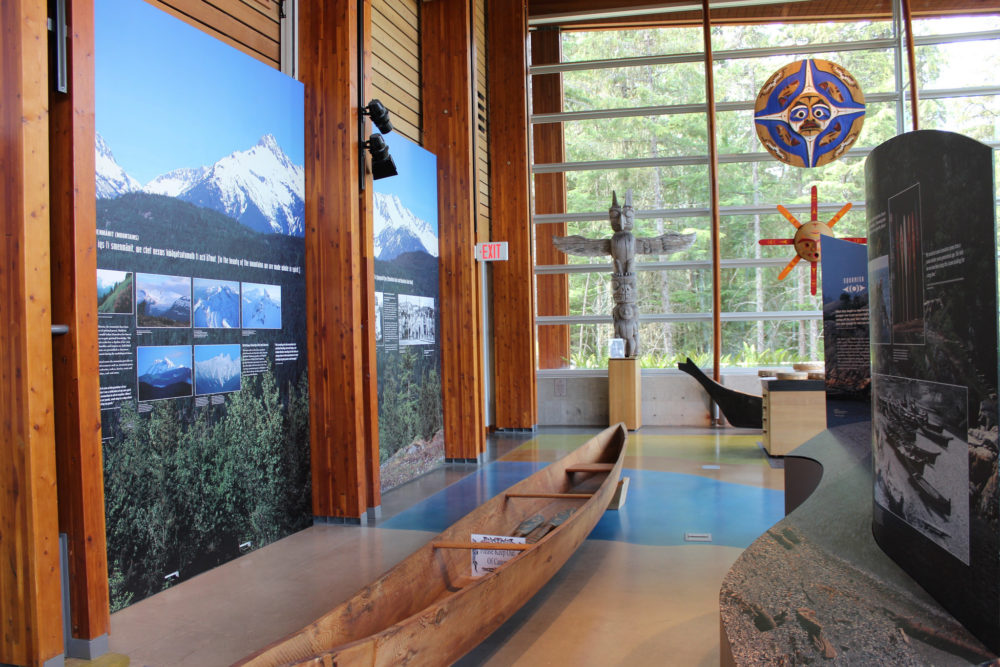
Rajni Mala Sakha Cab Driver from Indore, Madhya Pradesh

Rajni didn’t just learn to drive, she learned to take control of her journey. And she brings her community along with her, proving what mobility can truly mean: freedom, pride, choice, and leadership.

The impact community tourism is helping support

This is the ripple effect of opting to support Women with Wheels during your travels and beyond: 

  • Over 5500+ drivers women, like  Rajni, trained as professional drivers.
  • First-ever women driving public buses in Delhi after policy change
  • Women become breadwinners, leaders, and decision-makers
  • Daughters and sons getting better education, creating intergenerational impact.
  • Women shifting from “I cannot” to “I can, and I will.”
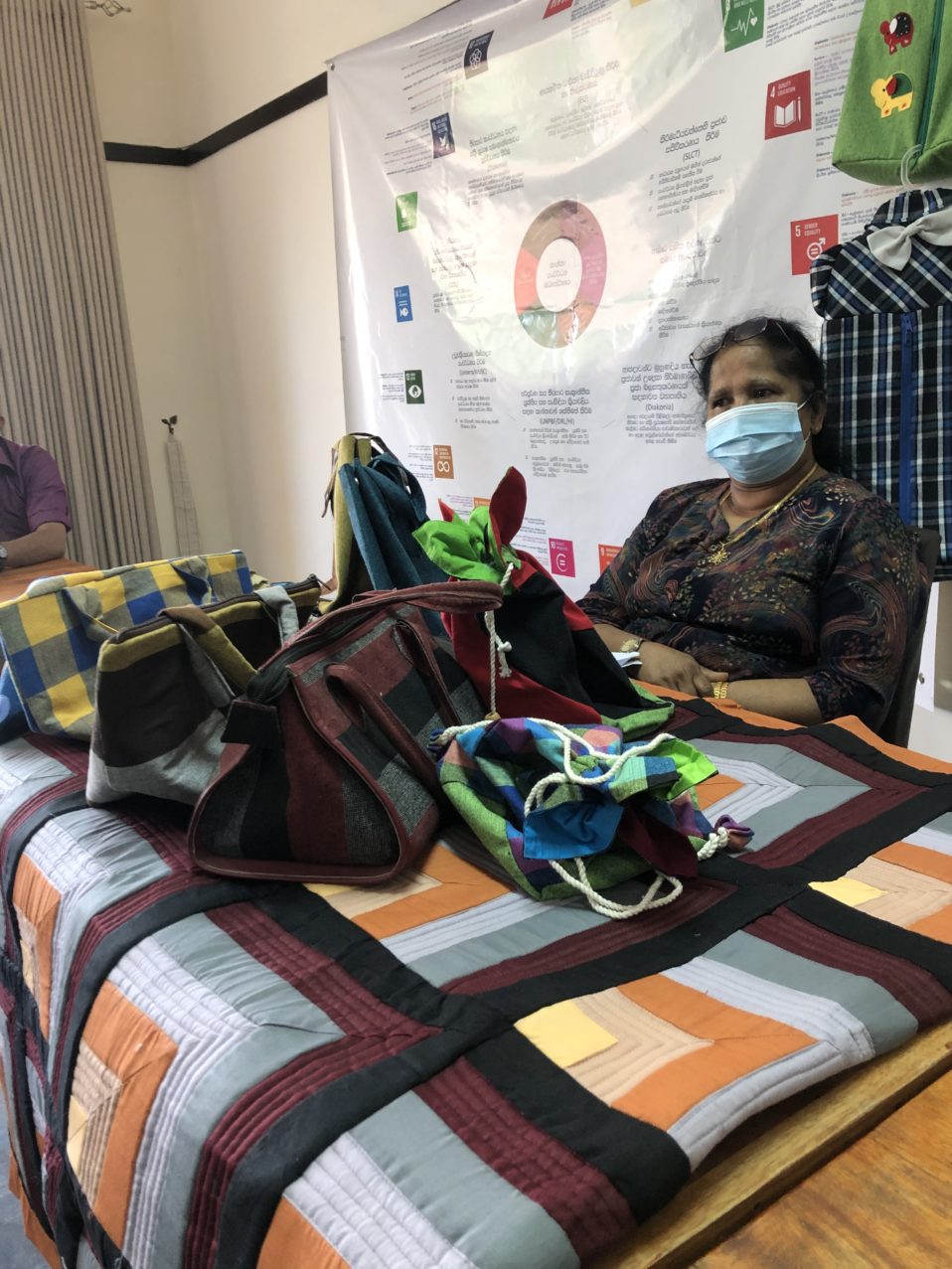
Planeterra collaborated with the Azad Foundation to offer financial support for Women with Wheels, enabling the expansion of their vehicle fleet and funding their training program. Furthermore, G Adventures became the first tour operator to team up with Women with Wheels as their India airport pick-up service, creating a sustainable and growing customer base for this impactful social enterprise. 

The impact of our partnership is not only reflected in the increase of women drivers throughout the years, but also, as this model gains success, Sakha will continue to spread the program across India to empower more women and provide safe transfers for families and travellers.

For more information about Women with Wheels, you can visit  www.sakhaconsultingwings.com and follow them on social media.

Read more

Community Tourism in Guatemala: Chokojol Juyu

In San Antonio Aguas Calientes, Guatemala, the Chok’ojol Juyú Training Center is keeping Kaqchikel Maya traditions alive. Focused on empowering local women and children, the center ensures that ancestral textile techniques are passed down while also providing sustainable income opportunities through community tourism.

Chok’ojol Juyú San Antonio Aguas Calientes, Guatemala

When the center was founded, 90% of local girls wanted to learn to weave but had no teachers. Today, 43 students, 35 girls and 8 boys, graduate from Chok’ojol Juyú able to create complete textile pieces, preserving a craft that was at risk of disappearing. Boys are also learning, challenging traditional gender roles, while the community gains pride and cultural continuity.

Through tourism, the center shares this heritage directly with visitors. Travellers participate in interactive backstrap loom weaving workshops, learning double-brocade techniques unique to Guatemala, enjoy traditional Mayan lunches cooked over wood fires, and even wear locally made clothing. 

Visits are carefully managed to support the local economy and fund free weaving classes for children, ensuring that tourism benefits the community rather than simply observing it.

Planeterra supports Chok’ojol Juyú by helping integrate their workshops into travel partner offerings, providing grants to improve facilities, and offering access to training through the Planeterra online learning hub. These resources strengthen the community’s capacity to manage tourism sustainably while maintaining full control over how their culture is shared.

The result is a direct, respectful exchange: visitors connect with the women leading their cultural revival, and the community gains economic support, educational opportunities, and pride in their heritage.

Chok’ojol Juyú is demonstrating how communities can lead cultural heritage celebration and economic empowerment while sharing their heritage with the world.

Read more

A Journey into Community Tourism in Southern Albania

Written by Loneta Progni, Journalist
What I learned from gliko, wool, and the warmth of locals

I’ve always believed that travel has the power to change us, but I didn’t expect this trip to southern Albania to shift my perspective so deeply. I joined a familiarization trip organized by Planeterra and their travel partner, Evaneos to explore what community tourism can look like when it’s done with real intention and engagement.

Trips like this come to life thanks to collaboration between community leaders, local DMCs, and organisations like Planeterra and Evaneos, who work to support and strengthen locally led tourism experiences.

And let me tell you: it was eye-opening.

For two full days, I had the chance to step into workshops, kitchens, living rooms, and traditions that many travelers never see, not because they aren’t there, but because they haven’t been given space to shine. That’s exactly what this initiative does: it gives communities the chance to share their craft, their stories, and their heritage in ways that support their economy and keep their identity alive.

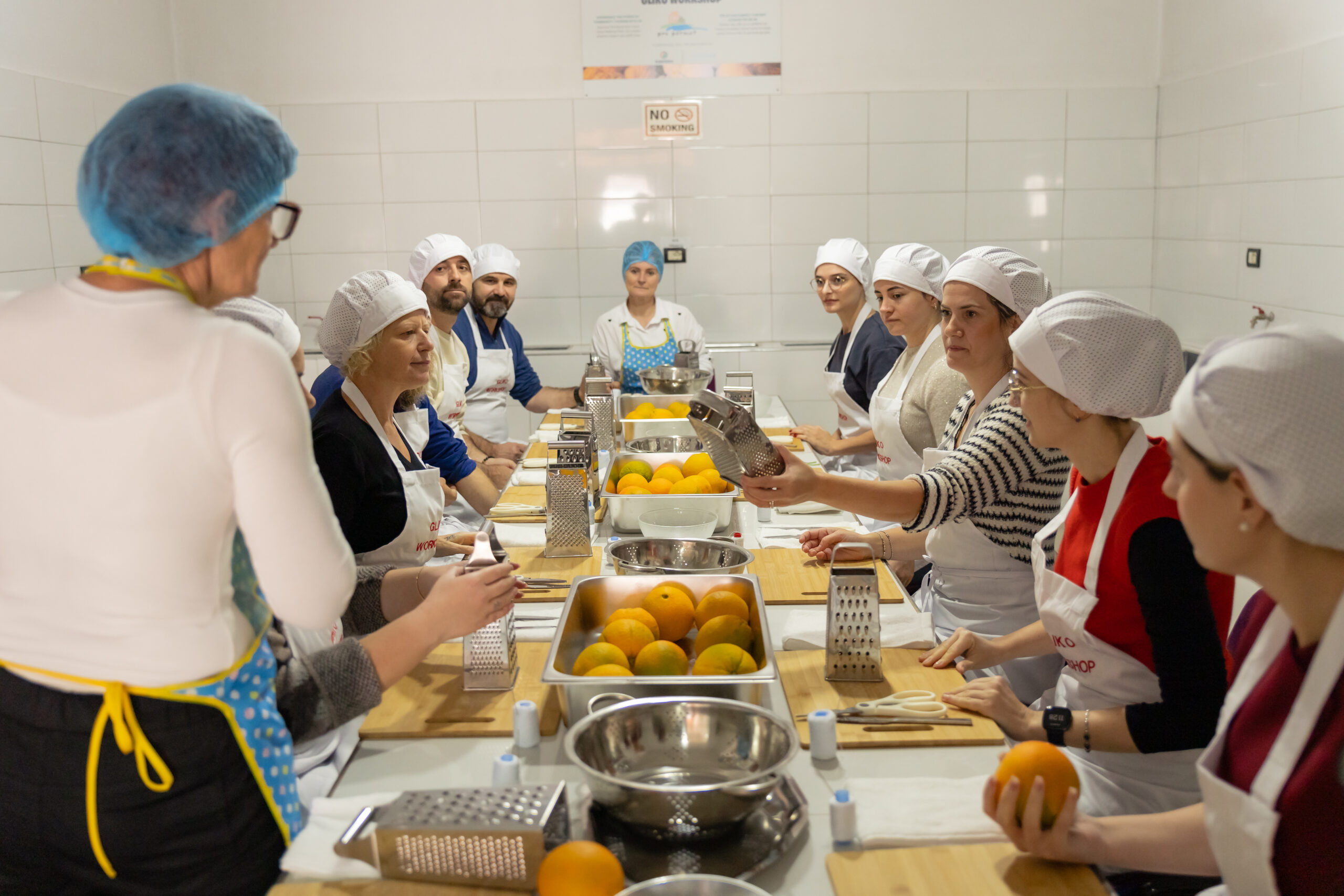
ProPermet, Albania, Gliko workshop | Photo Credits: Edvin Rushitaj
Day 1: Stirring sweet memories in Përmet

Përmet taught me about flavor, and tradition served on a small plate.

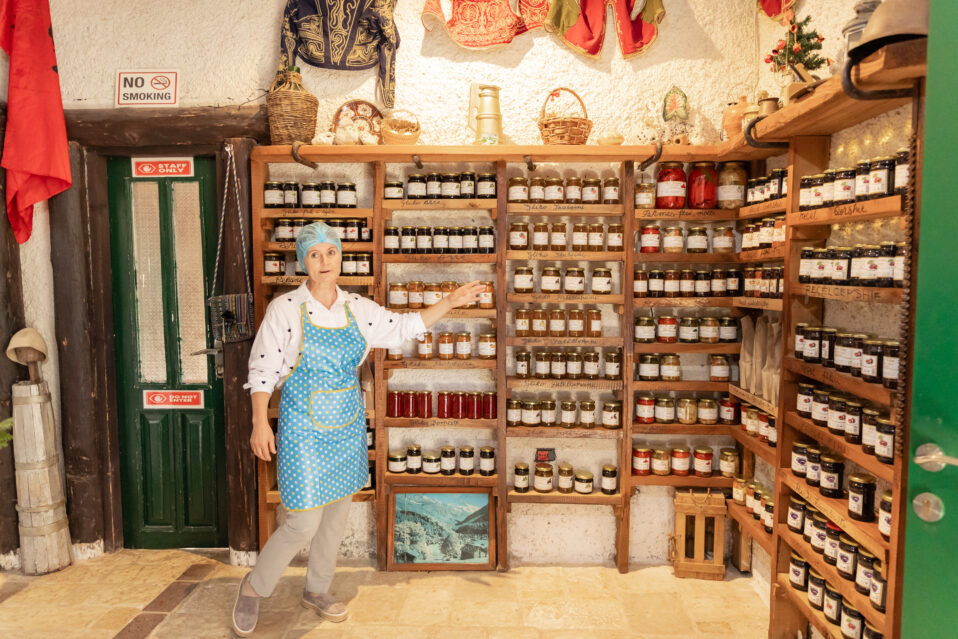
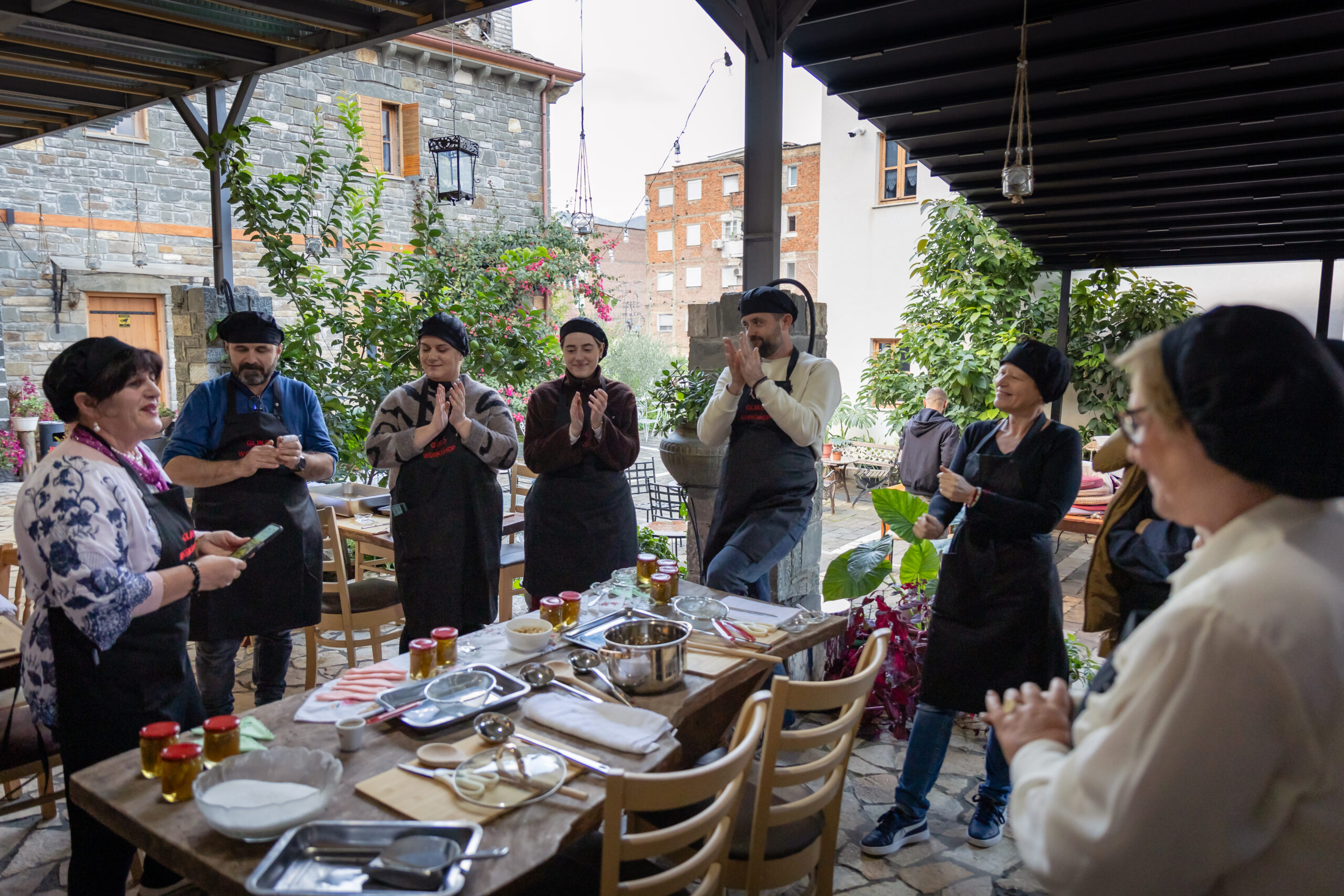
I joined the Gliko Workshop, an experience designed to preserve one of the region’s most cherished culinary traditions. Under the guidance of local women, we made gliko from scratch, learning not just the recipe but the meaning behind it.

Gliko isn’t just a dessert in Përmet. It’s hospitality. It’s identity.

It’s something every guest is welcomed with, and it carries generations of knowledge.

In between stirring pots, tasting gliko, and laughing with the women artisans guiding us, I realized how easily small traditions can vanish unless we create space for them. And this workshop is exactly that space, a bridge between the past and the future. 

What made this even more meaningful was knowing the workshop was designed and led by local women themselves, with support from the local DMC and Planeterra to help bring their craft to travellers in a way that strengthens their own business.

ProPermet, Albania, Gliko workshop | Photo Credits: Edvin Rushitaj
Why this project matters, beyond the experience

It’s one thing to visit a beautiful place.

It’s another to understand how your presence supports the people who live there.

Southern Albania is undergoing a quiet transformation. Areas like Përmet and Gjirokastër are welcoming more and more visitors each year, not just for their landscapes, but for their culture, craft, and stories.

Përmet now sees over 150,000 visitors annually.

Gjirokastër welcomed around 600,000 tourists in 2024.

These aren’t just numbers. They’re opportunities. They mean jobs, income for families, revived traditions, and hope for young people who might otherwise feel that leaving is their only option.

These kinds of opportunities grow when communities, travel partners, and supportive organizations work together to build experiences that reflect local identity and create lasting benefits.

Community  tourism isn’t just “nicer tourism.” It’s impactful tourism, a model where local people aren’t just part of the scenery, but partners who benefit directly from the experiences offered.
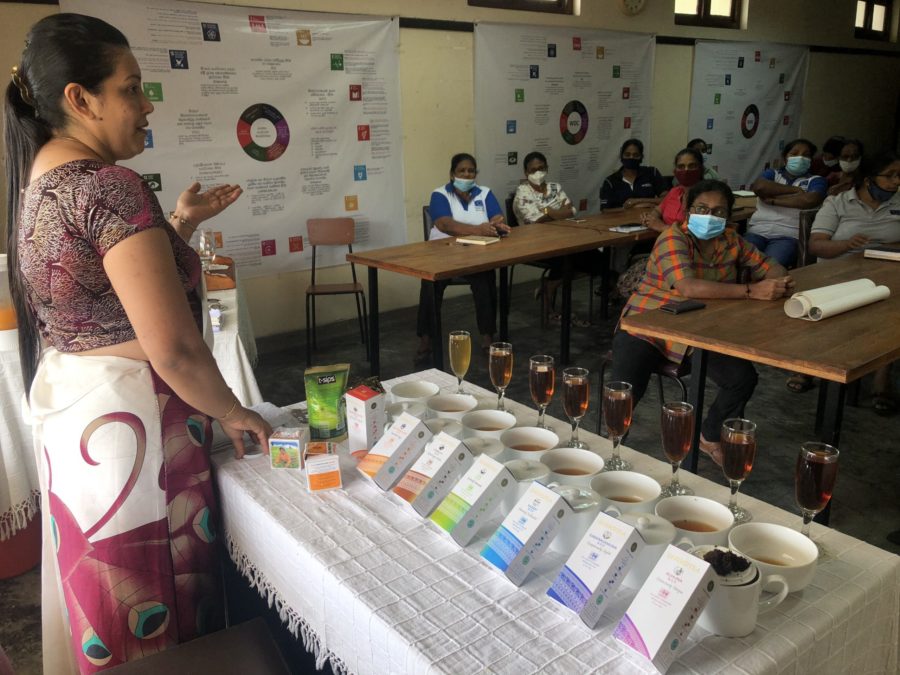
Visit Gjirokastra, Albania: Iso poliphony and cheese tasting | Photo Credits: Edvin Rushitaj
Day 2: Learning to “read” wool in Lazarat

Our journey continued in Lazarat, a village often misunderstood, but rich in tradition and resilience. This time, we weren’t there for the stories the media usually tells. We were there for something much softer, quite literally.

The experience was named “From Wool to Weave,” and it took us directly into the hands of local women who have spent a lifetime mastering the craft. Watching raw wool slowly transform into blankets and textiles made me appreciate a truth I had overlooked:

Heritage survives because someone keeps doing the work.

The rhythm of their hands, the patience in their movements, the pride in their eyes, it all reminded me that craftsmanship is a form of storytelling.

And as if that wasn’t enough, the day ended with iso-polyphonic music, not a staged performance, but an authentic, spontaneous moment shared with the community. The kind of moment where you feel the room breathe together.

At the end of our day in Lazarat, we enjoyed a small dairy tasting, fresh cheeses, creamy yogurt, and homemade butter, all prepared by local producers. As we tasted each product, the room filled with the haunting harmonies of iso-polyphony. The combination of traditional flavours and ancient voices created one of the most authentic and unforgettable moments of the entire trip.

Visit Gjirokastra, Albania, From Wool to Weave with homemade lunch | Photo Credits: Edvin Rushitaj
What I took with me from this trip

Of course I took some gliko and some handmade wool decoration for my christmas tree.

But I left feeling enriched, not only by the beauty of the places I visited, but by the sincerity of the people I met.

I felt grateful, for the music, the food, the craft, the stories, the warm welcome.

And I felt accountable, realizing that as travelers, journalists, or content creators, we help shape the kind of tourism we want to see.

Community tourism is not only possible in Albania, it’s happening. And if nurtured properly, it can be one of the country’s strongest tools for sustainable development, cultural preservation, and rural revitalization.

It also made me realize that behind each of these encounters is a quiet collaboration:  community hosts, local operators, and organizations like Planeterra and Evaneos working together to ensure tourism supports local goals.

Final thoughts

This trip wasn’t just about discovering new places.

It was about rediscovering the meaning of travel.

Përmet and Lazarat… each of them taught me that tourism can be more than holidays and itineraries. It can be a shared effort between visitor and host, a collaboration that uplifts the people who protect the traditions travelers come to enjoy.

If Albania wants to stand out as an authentic destination, this is the path.

And I’m grateful I got to walk a small part of it.

Journalist Loneta Progni

About the author:

Loneta Progni is a journalist and TV anchor with over eight years of experience in national broadcasting, known for her clear reporting, engaging interviews, and human-centered storytelling. Alongside news coverage and feature reporting, she has profiled many of Albania’s cultural and regional destinations, bringing local stories and voices to wider audiences.

Read more

Women Leading the Way in Community Tourism

Around the world, women are at the heart of community tourism, transforming local traditions, skills, and knowledge into opportunities for economic empowerment and cultural preservation. 

Through community tourism, they are creating jobs, strengthening their communities, and inspiring future generations. This month, in honour of International Women’s Day, we’re celebrating the remarkable women behind some of our community partners who are leading the way in sustainable tourism. 

In this blog, we’re featuring inspiring female-led organizations and enterprises that Planeterra supports around the world.

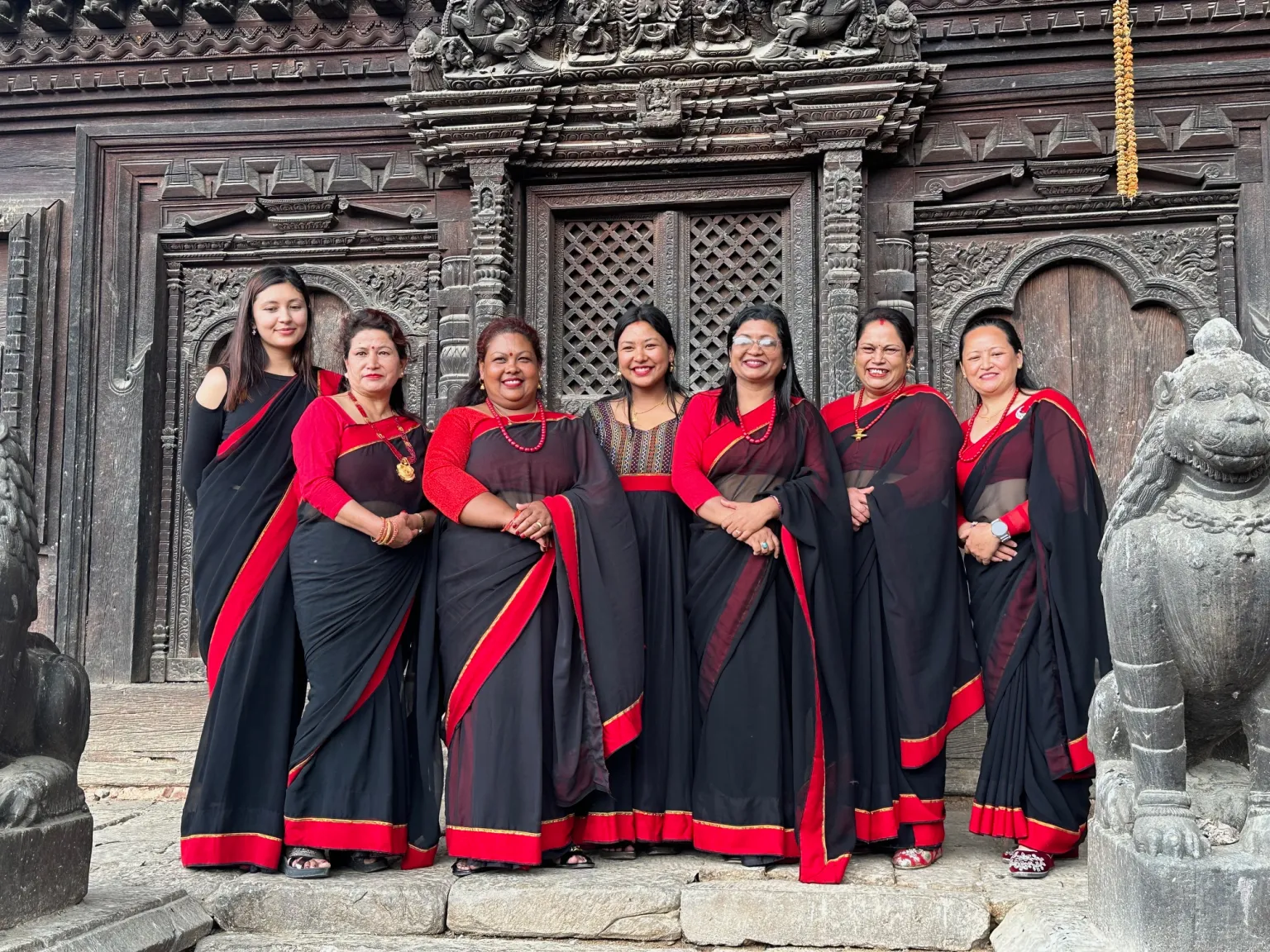
Panauti Community Homestay – Nepal

In 2012, Shila Amatya and her husband, Ashok, welcomed the first travellers to the Panauti Community Homestay, igniting interest among other women in their community. More women soon joined, leading to the creation of the Community Homestay Network, which provides women with opportunities to earn an income while sharing their culture with travellers.

Panuati-CH
Panauti Community Homestay Panauti, Nepal

The impact of this initiative has inspired many, including Poonam and Ashish Gupta, whose mother is a homestay host. Poonam, who once helped her mother run the homestay while studying, is now the Chief Operating Officer of the Community Homestay Network. Ashish, recognizing the potential for further opportunities, co-founded Panauti Bike Station in 2019, a youth-led initiative offering cycling and hiking tours.

In 2024, Panauti Bike Station applied for the Planeterra Global Community Tourism Fund to expand their offerings and create even more opportunities for local women and youth. Their work continues to strengthen community tourism in Nepal.

👉 Learn more about the story behind Panauti Community Homestay.
👉 Read how the Community Homestay Network is championing gender equality in Nepal.

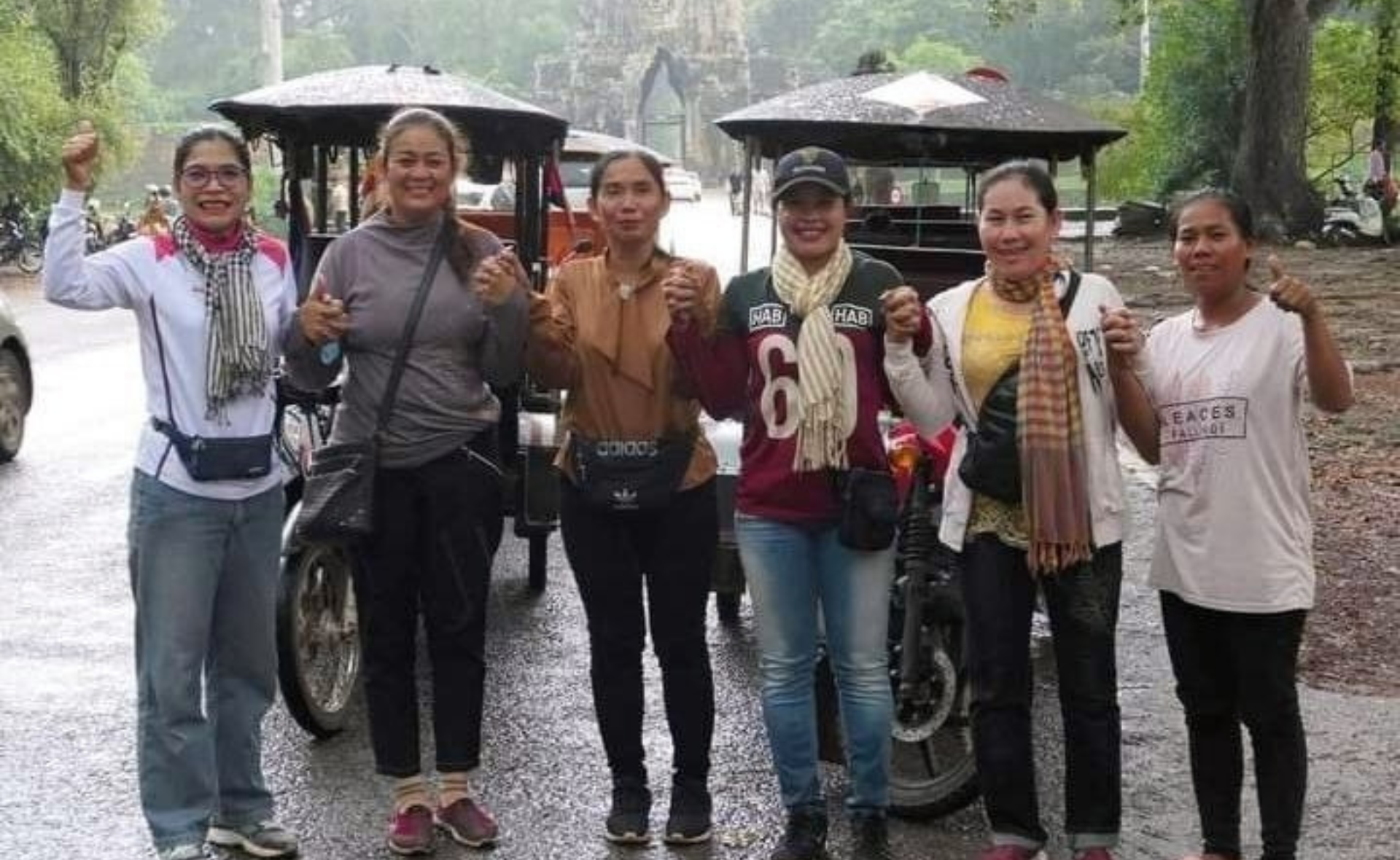
Tuk Tuk Lady – Cambodia

In Cambodia, tuk-tuk driving is traditionally a male-dominated field—but Kim, the founder of Tuk Tuk Lady, is changing that. Motivated by her determination to provide for her two children, Kim faced discrimination and skepticism but refused to give up.

She moved to Siem Reap, where travellers were more open to supporting a female driver, and from her perseverance, Tuk Tuk Lady was born.

Lady Tuk-Tuk Driver Siem Reap, Cambodia

More than just a transport service, Tuk Tuk Lady empowers women to gain financial independence and confidence. With support from Planeterra, Kim and her team received training and mentoring, helping them build a sustainable business and attract travellers—including those from our travel partners.

Kim’s journey proves that community tourism can break barriers and open doors. Every tuk-tuk ride in Siem Reap is now a step toward greater gender equality and opportunity.

👉 Read more about Kim’s story.

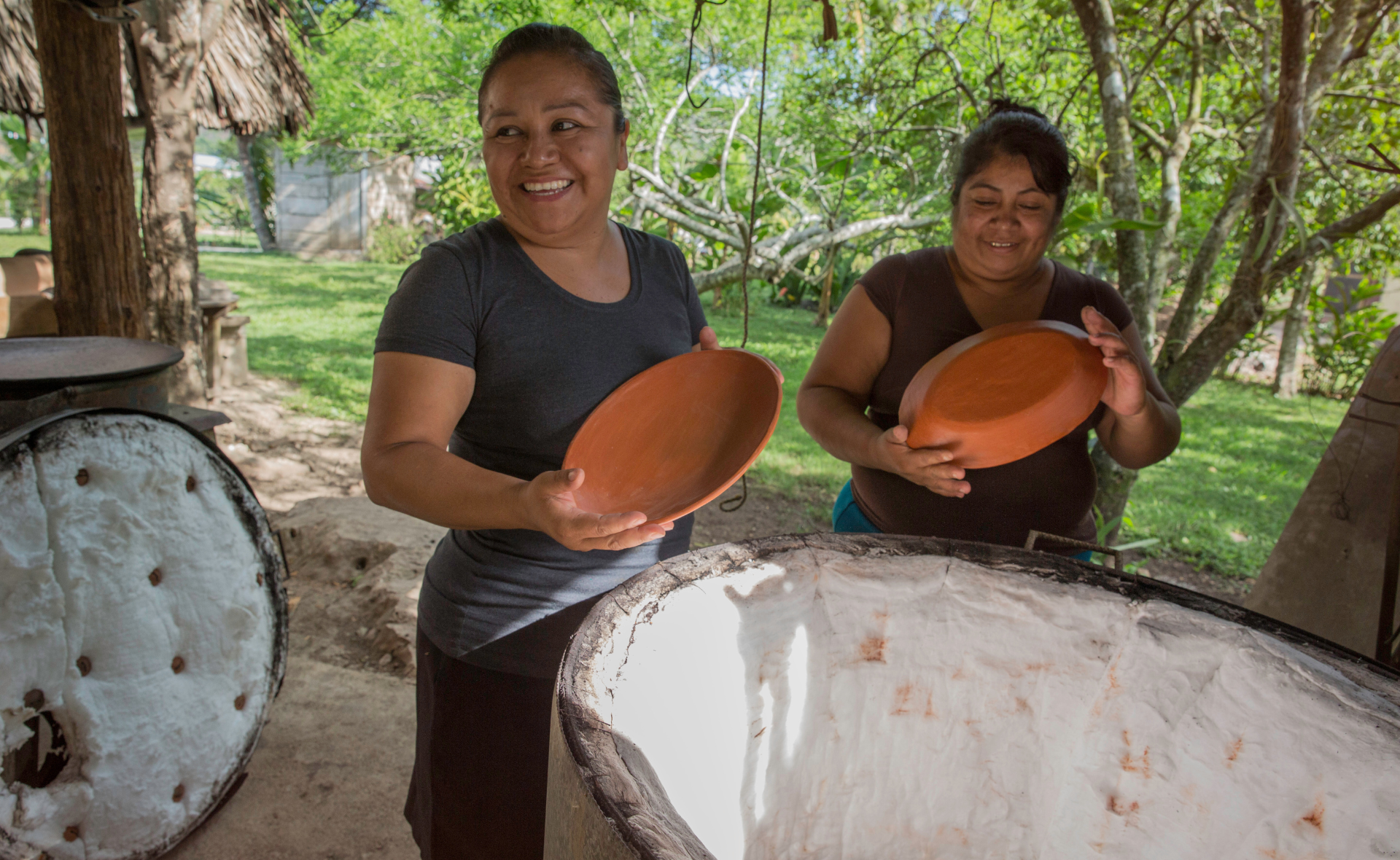
San Antonio Women’s Co-op – Belize

In San Antonio, Belize, large families and limited job opportunities have historically made it difficult for women to pursue education and employment. Determined to change this, nine Mayan women formed the San Antonio Women’s Co-op (SAWC) to earn an income, preserve their traditions, and inspire the next generation.

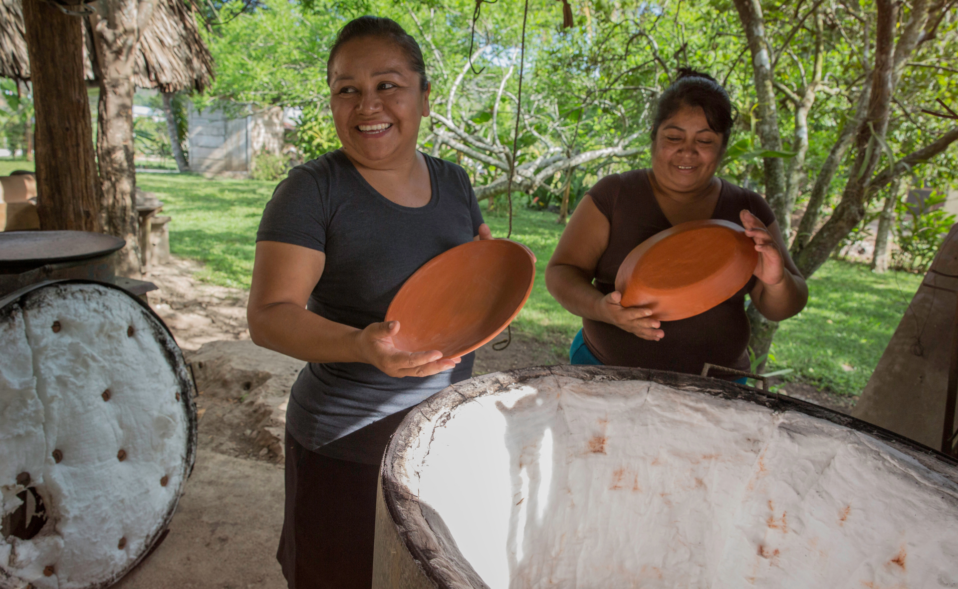
With Planeterra’s support, SAWC built a workshop space, increasing tourism and providing a centre for youth training programs. Visitors can now participate in traditional Mayan pottery workshops, enjoy home-cooked meals, and purchase handcrafted goods—all while supporting women-led economic development.

San Antonio Women’s Co-op San Ignacio, Belize

Beyond tourism, SAWC is funding education for young women, supporting scholarships for guiding courses, elementary school, and tourism-related studies. They’ve also expanded their impact by supporting a local children’s football team and distributing school supplies. This initiative shows that when women are empowered, entire communities thrive.

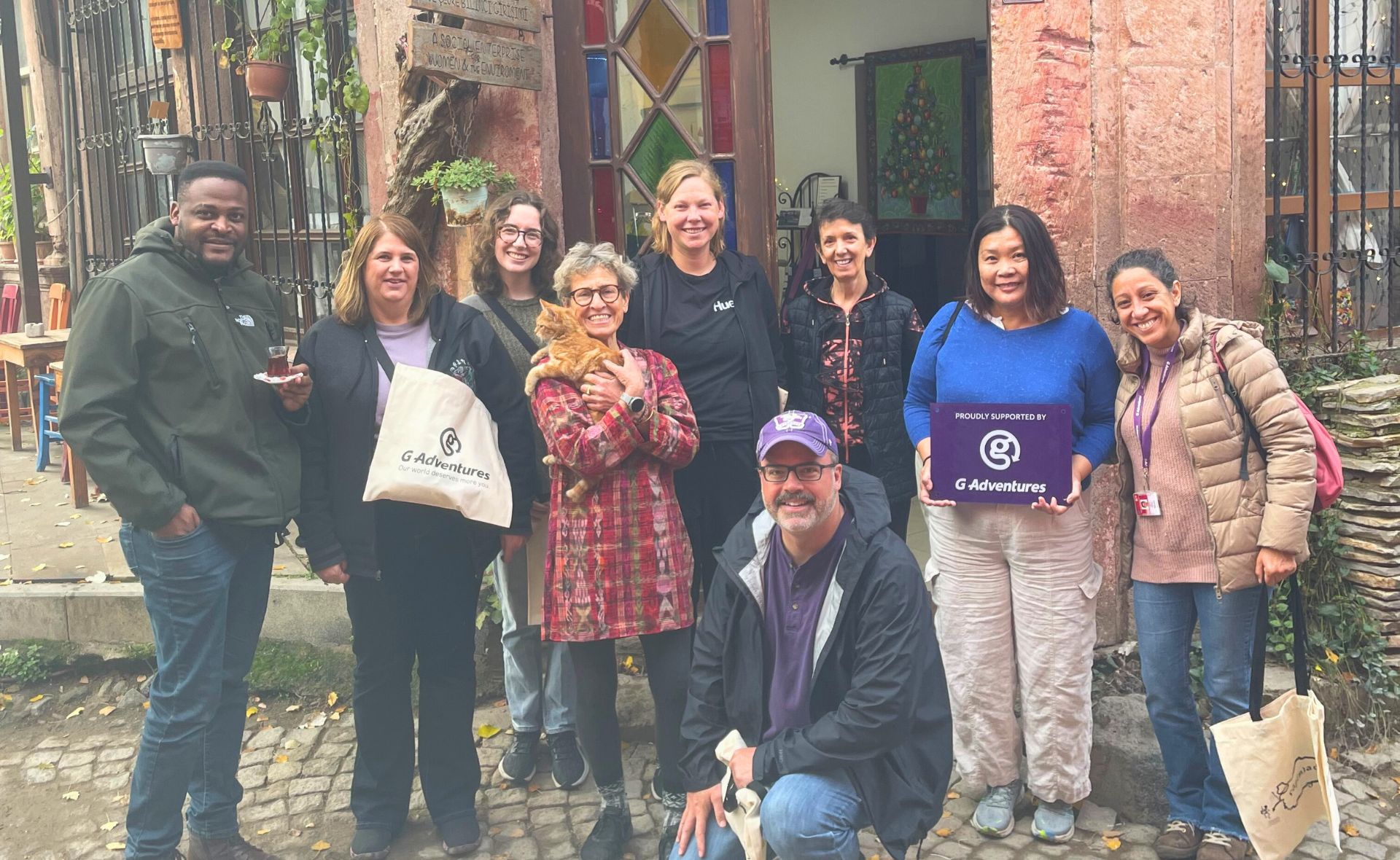
çöp(m)adam – Turkey

In Turkey, çöp(m)adam is redefining women’s employment and environmental sustainability. This social enterprise—whose name translates to “garbage ladies”—provides jobs for women who have never had a salaried position before while turning waste into fashionable, functional products.

Since its founding, over 500 women have gained confidence, skills, and financial independence through çöp(m)adam. Thanks to Planeterra’s partnership, the enterprise has connected with our travel partners, ensuring a steady stream of customers who purchase upcycled products and support the initiative.

çöp(m)adam Ayvalik, Türkiye

With female employment in Turkey at around 30%, çöp(m)adam is breaking down gender stereotypes and championing a more sustainable future—one creatively repurposed product at a time.

👉Watch the video to learn more about what they do.

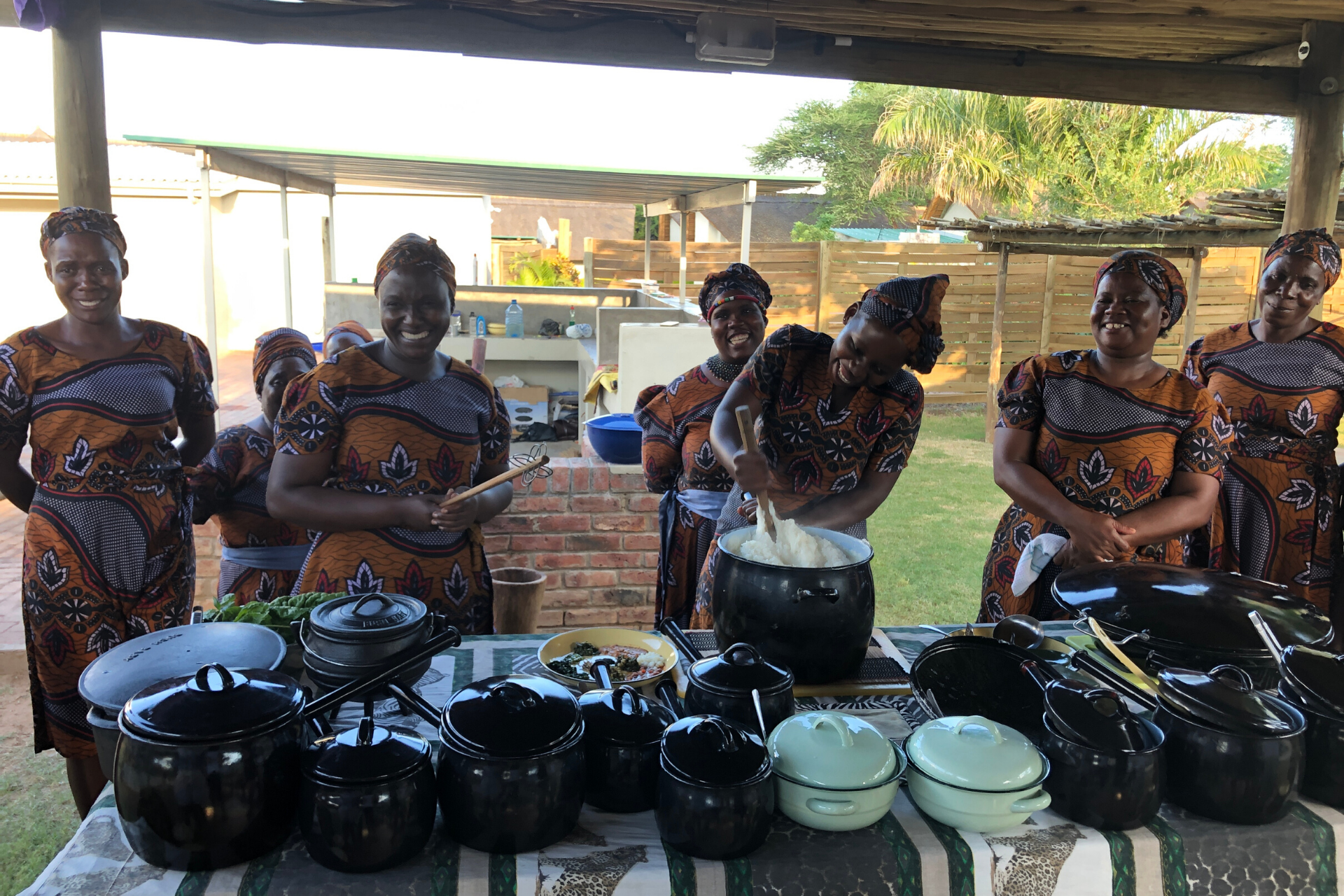
Lusumpuko Women’s Cooperative – Zimbabwe

In Zimbabwe, the Lusumpuko Women’s Cooperative began with a group of determined women—many of them single mothers and widows—coming together to create economic opportunities.

What started as a chicken-rearing project has evolved into a Lunch Club, where travellers from our travel partners enjoy authentic traditional meals prepared by the cooperative. This initiative has provided income while also funding education for their daughters, granddaughters, and nieces, ensuring a brighter future for the next generation.

Lusumpuko Women’s Club
Lusumpuko Women’s Club Victoria Falls, Zimbabwe

Beyond financial support, Lusumpuko teaches valuable skills. Young women learn culinary techniques, hygiene standards, and business practices—all crucial for their professional and personal development.

The women of Lusumpuko prove that resilience, collaboration, and community-driven tourism can create lasting change, uplifting families and strengthening entire communities.

These stories highlight the power of women in community tourism—transforming challenges into opportunities and creating sustainable futures for their families and communities.

Through partnerships, training, and determination, they are paving the way for a more inclusive, equitable, and prosperous world. At Planeterra, we are proud to support these incredible women and their initiatives. If you’d like to explore more stories, check out these blogs:

👉 Zoológico Mágico: The Magic of Art Crafted by Female Artisans.
👉 Women in Community Tourism: Three Inspiring Stories.

Join us in celebrating their achievements and be part of the movement by choosing community tourism on your next adventure.

Read more

How Collaboration Created a Bigger Impact: Anoothi India’s Story

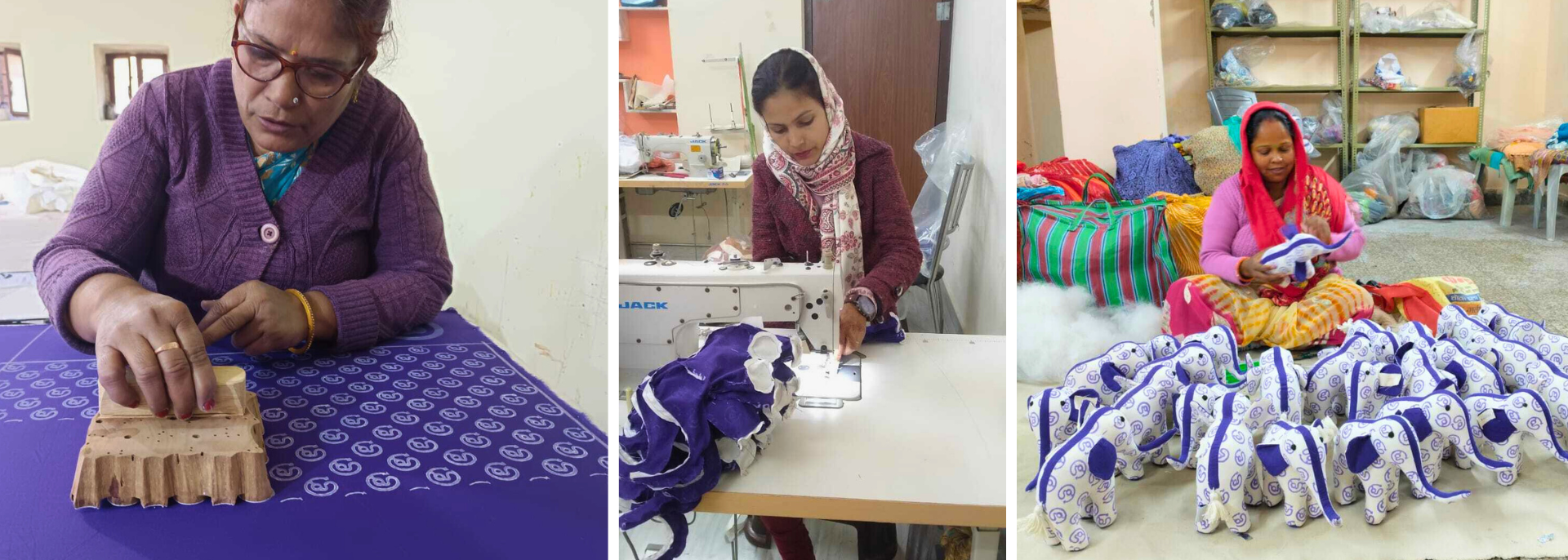
It all started with a beautifully crafted stuffed elephant, handmade by the talented women of Anoothi India—a social enterprise that empowers marginalized women through skills training and economic opportunities.

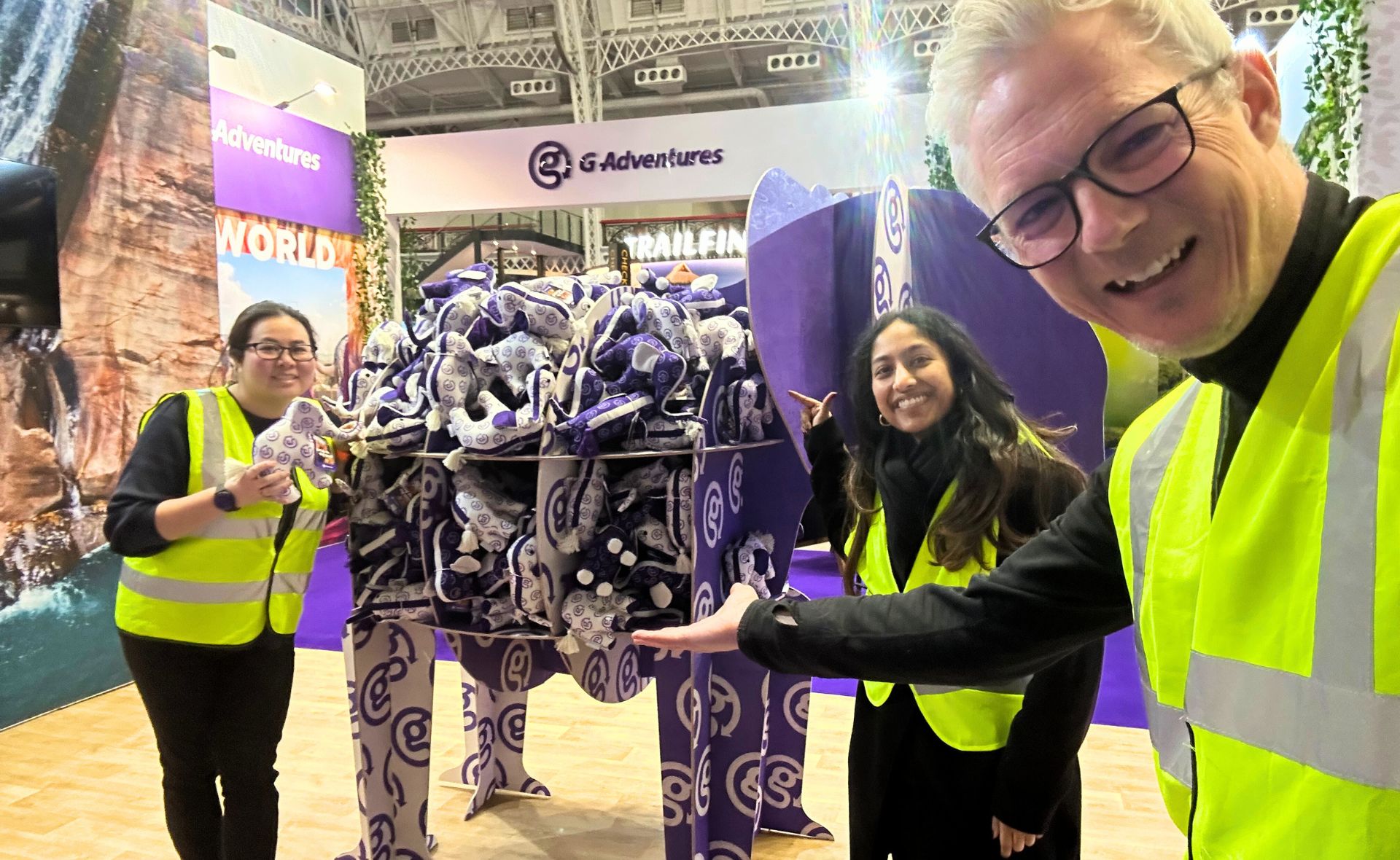
When Ant Stone, G Adventures’ Director of Marketing, EMEA, came across one of these elephants, it sparked an idea that would lead to a powerful collaboration. What if Anoothi India could create a special batch of elephants to be showcased at travel events? The idea took off, and soon, a limited-edition herd of G Adventures elephants stole the show at Destinations: The Holiday and Travel Show—one of London’s biggest travel events.

Over 1,000 G Adventures-branded elephants were handcrafted by the women of Anoothi India. It took months of dedication, but it paid off, the elephants became one of the most talked-about features of the event!

Stuffed elephants in progress—handmade with care by Anoothi in India. 📷 Ant Stone

Visitors could take home an elephant by donating to Planeterra, making a G Adventures booking, or simply engaging in a meaningful conversation with the team at the booth. Each elephant came with a tag sharing its Anoothi India’s powerful story, bringing this meaningful connection to their new owners’ home.

Ant Stone and team showcasing handcrafted stuffed animals at the G Adventures booth. 📷: Ant Stone
Using community tourism to expand Anoothi India’s impact

Anoothi provides women—many of whom are survivors of violence—with opportunities to build a better future through vocational and life skills training. While selling handmade products helps, adding community tourism to their work gave them a new way to create sustainable income.

However, to host visitors and offer meaningful experiences, they needed additional funding to improve infrastructure and facilities. In 2024, Planeterra partnered with Anoothi India to support these goals, providing a grant to address their most pressing needs. The funds helped add a shaded seating area, upgrade walking paths, and improve visitor facilities—making the experience more comfortable for both travellers and artisans.

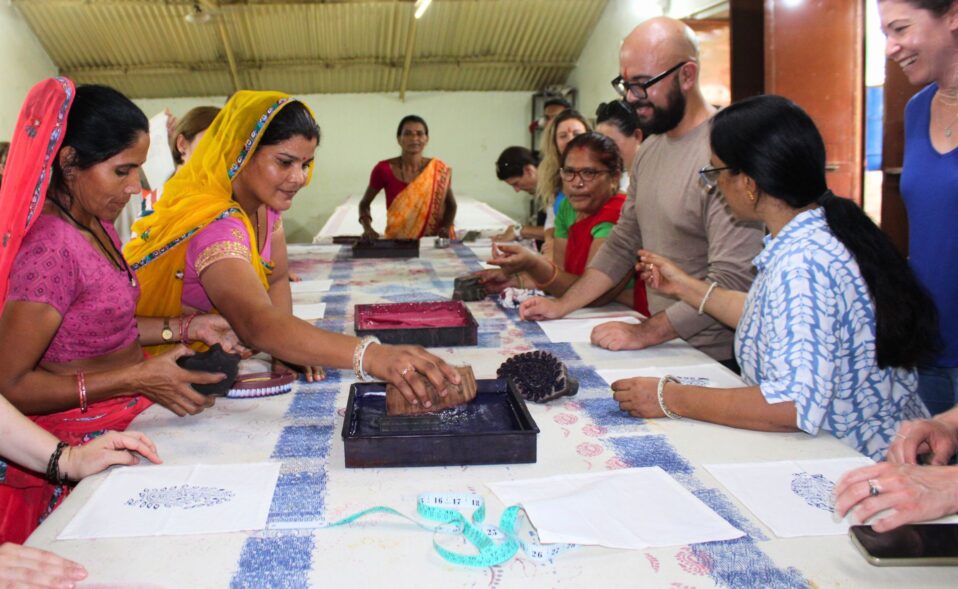
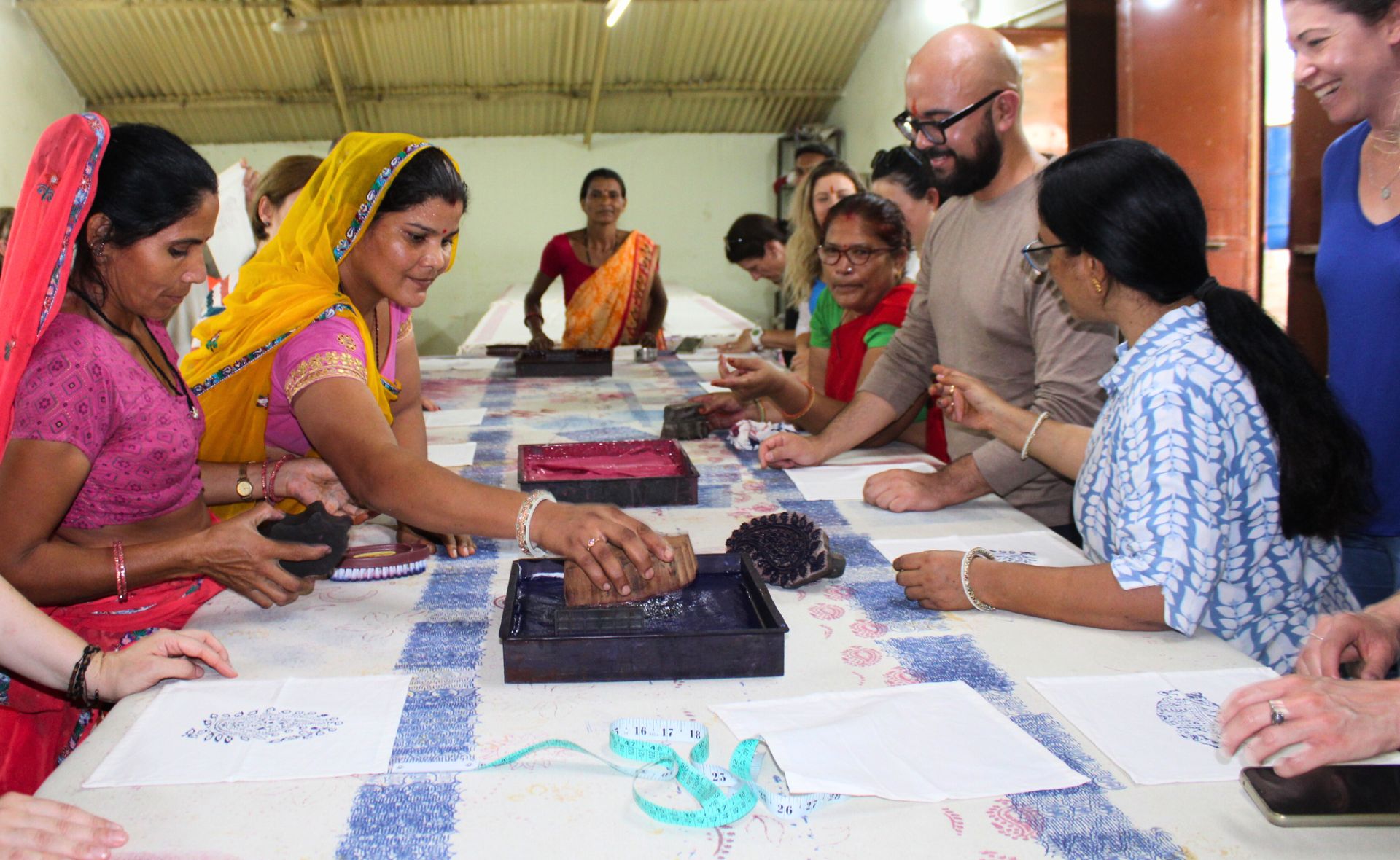
The grant also helped upgrade Anoothi India’s screen printing unit, something they had been wanting to do for a long time. Now, travellers visiting them can take part in a hands-on block printing workshop, learning the traditional techniques behind these beautiful textiles. And yes—they can also purchase iconic souvenirs, including those beautiful stuffed elephants!

Anoothi India
Anoothi India hosting one of their first G Adventures groups

Since September 2024, more than 1,800 travellers from G Adventures tours have visited Anoothi India, bringing direct support to the women behind this incredible initiative.

“I cannot thank Planeterra enough for opening up this possibility for us. We had this skill—a treasure of artisans working with us. More (women) wanted to join and we wanted to take them but we needed an outlet for them and for their products and Planeterra has provided that to us- We have expanded since.” — Jaimala ji, Founder & Managing Director, Anoothi India

Coming together to celebrate community tourism in India

Anoothi India has been an amazing community partner in more ways than one. At GX India 2024, they generously hosted the Planeterra Marketplace, where nine community partners showcased their products and shared their stories with travellers, industry leaders, and supporters. Read more about GX India, here.

Fun fact: “Anoothi” means unique and extraordinary in Hindi—a perfect name for a social enterprise that helps women realize just how incredible they are. We think their work is truly Anoothi. Don’t you?

Read more

Zoológico Mágico: The Magic of Art Crafted by Female Artisans

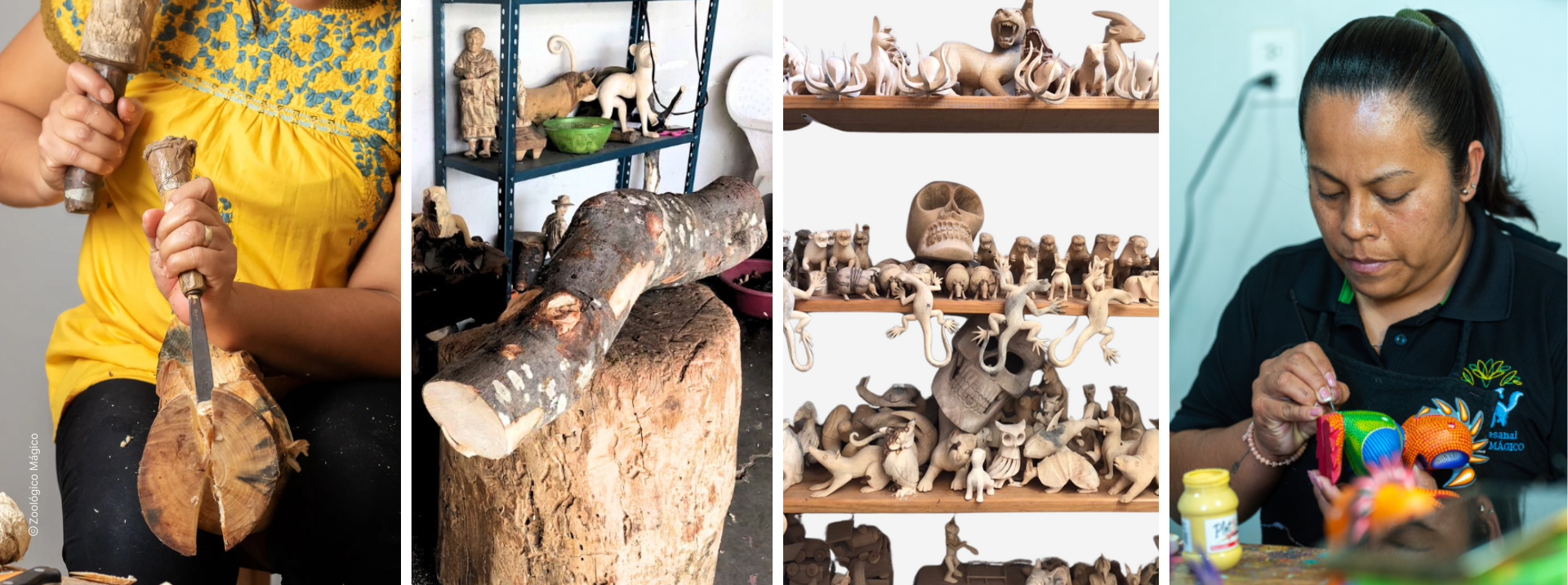
From the colourful streets of San Martín Tilcajete, Oaxaca, the women of Zoológico Mágico are transforming the art of alebrijes into a tool for empowerment and change.

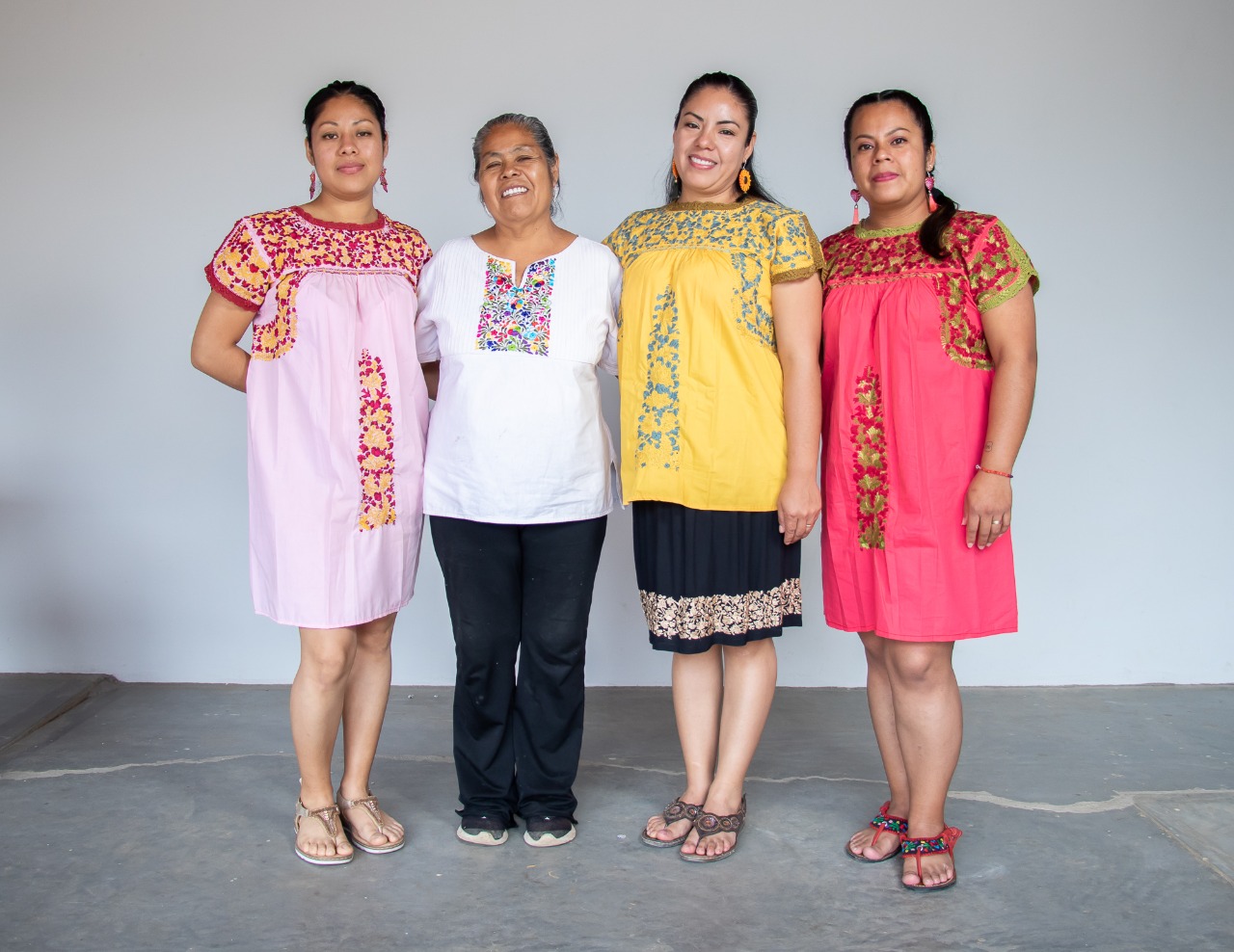
In the photo, Daniela Hernández stands on the right, alongside her sister-in-law Karina, mother-in-law Leonila, and Rosario Fabián

Zoológico Mágico is a collective of talented women from San Martín Tilcajete, a community renowned for its rich cultural heritage and skilled artisans in the art of alebrije crafting.

Their craftsmanship skills have been passed down through three generations, but it was the onset of the pandemic that prompted a significant shift. With their husbands and other male members exploring alternative income sources to support their families during challenging times, these women decided to take matters into their own hands.

Faced with limited options due to the pandemic, they relied on their skills and knowledge in crafting alebrijes to establish a workshop aimed at selling their art and welcoming visitors.

Motivated by their deep connection to their roots, culture, and traditions, these women sought to capture the essence of the alebrije—a fusion of dreams, fantasies, and personal experiences.

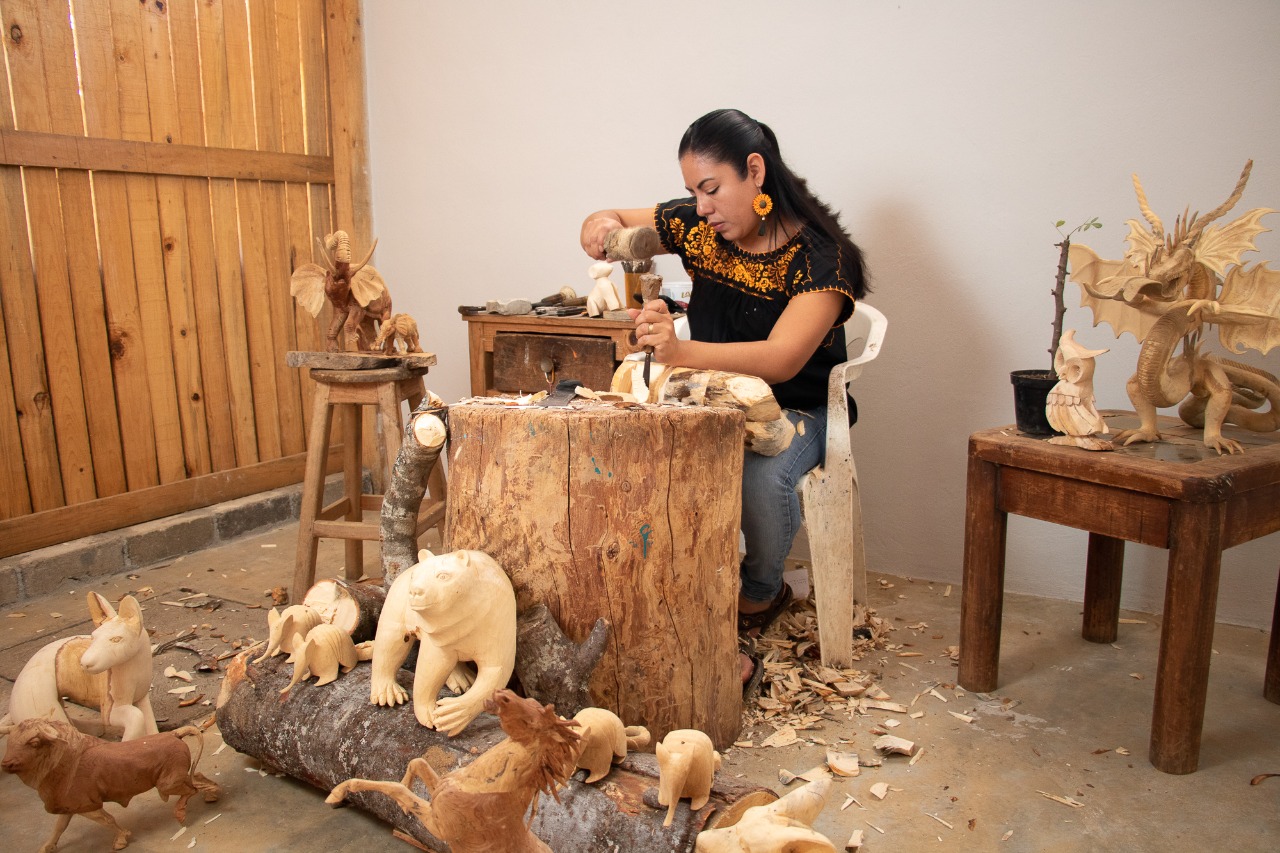
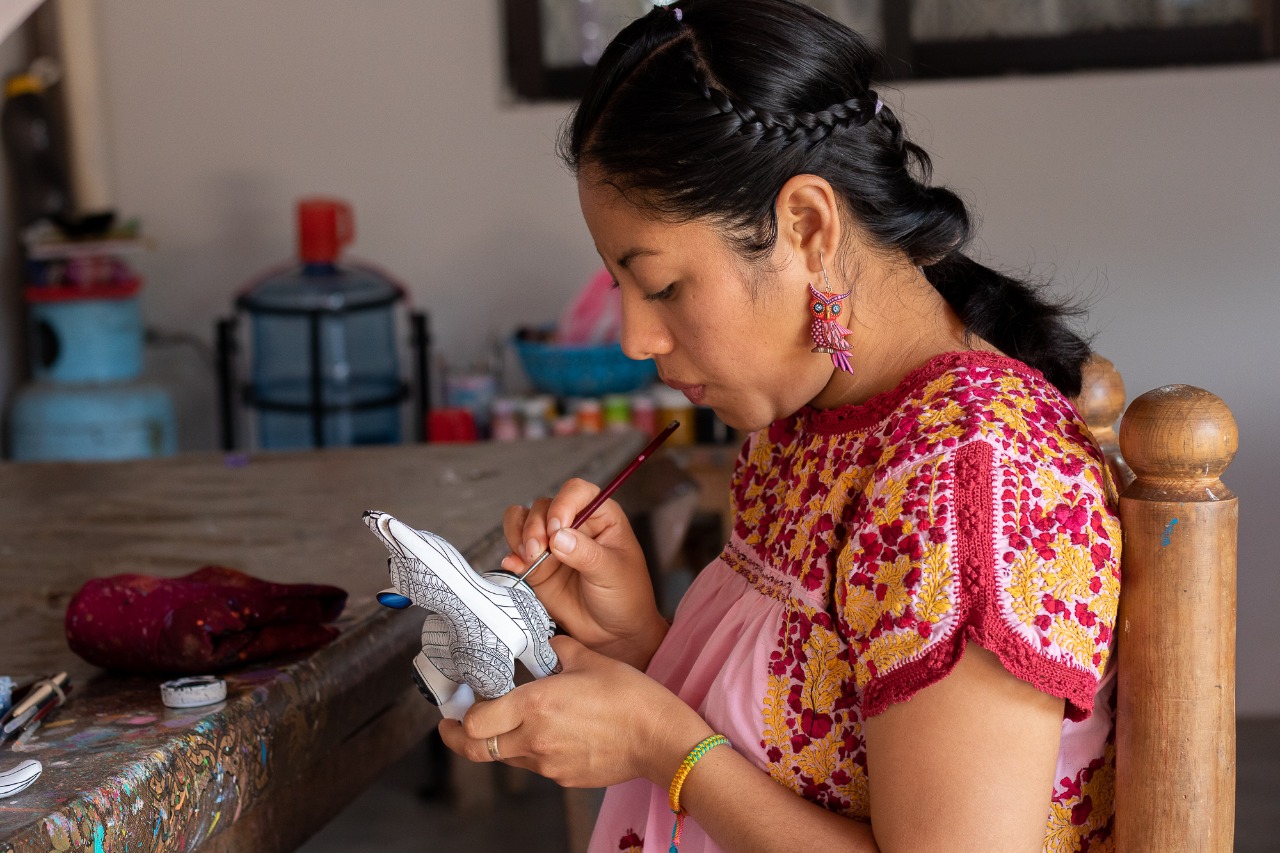
What sets Zoológico Mágico apart is not just the beauty of their creations, but also the fact that it is led entirely by women who oversee every stage of the crafting process, including the intricate sculpting of wooden pieces, a task traditionally associated with men!

Check out Rosario Fabián, President of Zoológico Mágico, in action as she carves wood into beautiful sculptures:

Copal: A Mystical Tree

Copal has been used since pre-Hispanic times. This tree holds deep significance for the community of San Martín Tilcajete; it’s sacred to them. The women of Zoológico Mágico use Copal to craft their pieces.

The whimsical way it grows provides artisans with a canvas to unleash their creativity, allowing them to visualize and then shape detailed alebrijes with each swing of the machete.

The sap or resin of the copal tree, also known as incense, is used in various cultural rituals. It’s believed that the smoke from burning incense purifies the soul, protects families, attracts love and abundance, and wards off malevolent spirits.

The residents of San Martín Tilcajete place great importance on the utilization and preservation of the copal tree. Consequently, every year, the entire community – including workshops and residents alike – collaborates on a collective endeavour. They participate in a reforestation initiative, planting approximately 2000 trees to nurture life and sustain their environment.

Crafting a Magical Piece

For some, the price of an alebrije might seem high, but let us assure you, it’s more than fair considering the intricate process behind crafting each of these magical pieces.

It all begins with the selection of the copal trunk, which must be of the highest quality. Its natural structure is what inspires the creation of the figure.

A second step is the curing process, which involves treating and dehydrating the piece. It must be restored and patched as many times as necessary before it’s ready for colour.

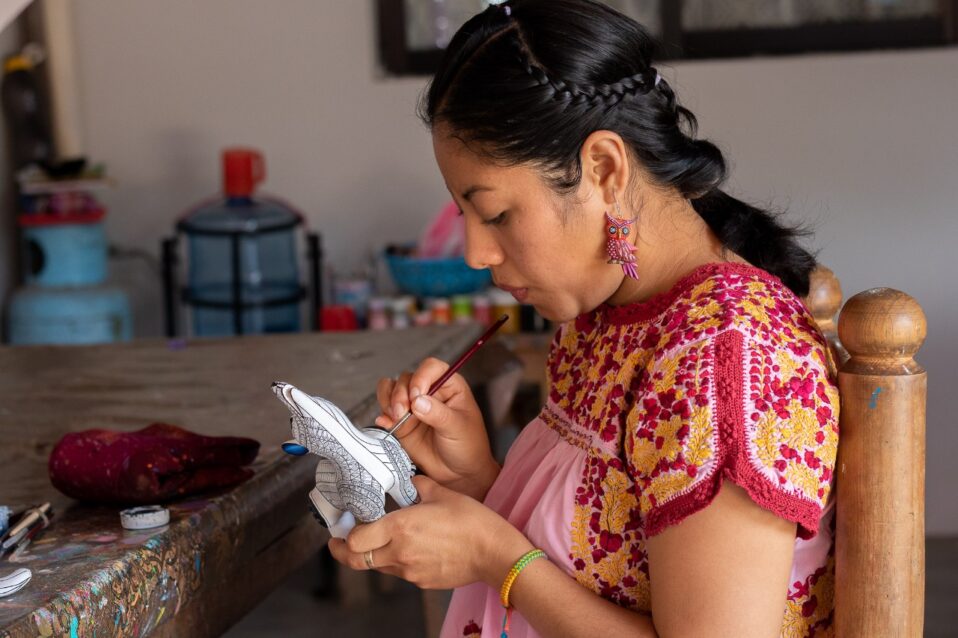
Then comes the painting process, where each stroke tells a story. At Zoológico Mágico, artists work with two types of paint. The first, called “basic,” allows for free expression, with dots, spots, and lines forming patterns guided by the artist’s imagination. The second, known as “fine painting,” focuses on symbolism, with each element carefully chosen to convey deeper meaning, like butterflies symbolizing happiness or seeds representing fertility.

This attention to detail ensures that each alebrije is a one-of-a-kind masterpiece.

The process of crafting an alebrije
Exploring Zoológico Mágico as a Traveller

Aside from purchasing beautiful souvenirs, travellers visiting Zoológico Mágico get to delve into the captivating world of alebrije crafting firsthand. They even get a chance to try their hand at painting one themselves. 

A handy kit equipped with paints, brushes, and all necessary materials is provided, allowing their imagination to run wild with vibrant colours and intricate designs. And who knows, perhaps a taste of Mezcal, a beloved local alcoholic beverage, will make a special appearance to further ignite their inspiration.


*Interested in joining a tour? Check out what our travel partners at G Adventures or Just You have to offer.

The inspiration for this blog comes directly from the insights generously shared by Daniela Hernández, a talented craft painter at Zoológico Mágico, during a webinar for Spanish-speaking members of Planeterra’s Global Community Network. Watch the session in Spanish below.

Read more

Women in Community Tourism: Three inspiring stories

In case you haven’t heard, Planeterra has joined forces with Evaneos to champion community tourism worldwide, and we couldn’t be more thrilled about it.

The timing of our partnership announcement couldn’t be more perfect, coinciding with International Women’s Day.  So, let’s take a moment to celebrate and shine a spotlight on three extraordinary women who are at the forefront of the first community tourism enterprises supported through this collaboration.

Get ready to be inspired by the stories of Yenny Quispe Sallo, Ni Komang Sariadi, and Jenny Rasija as they lead the charge and uplift others with their remarkable work.

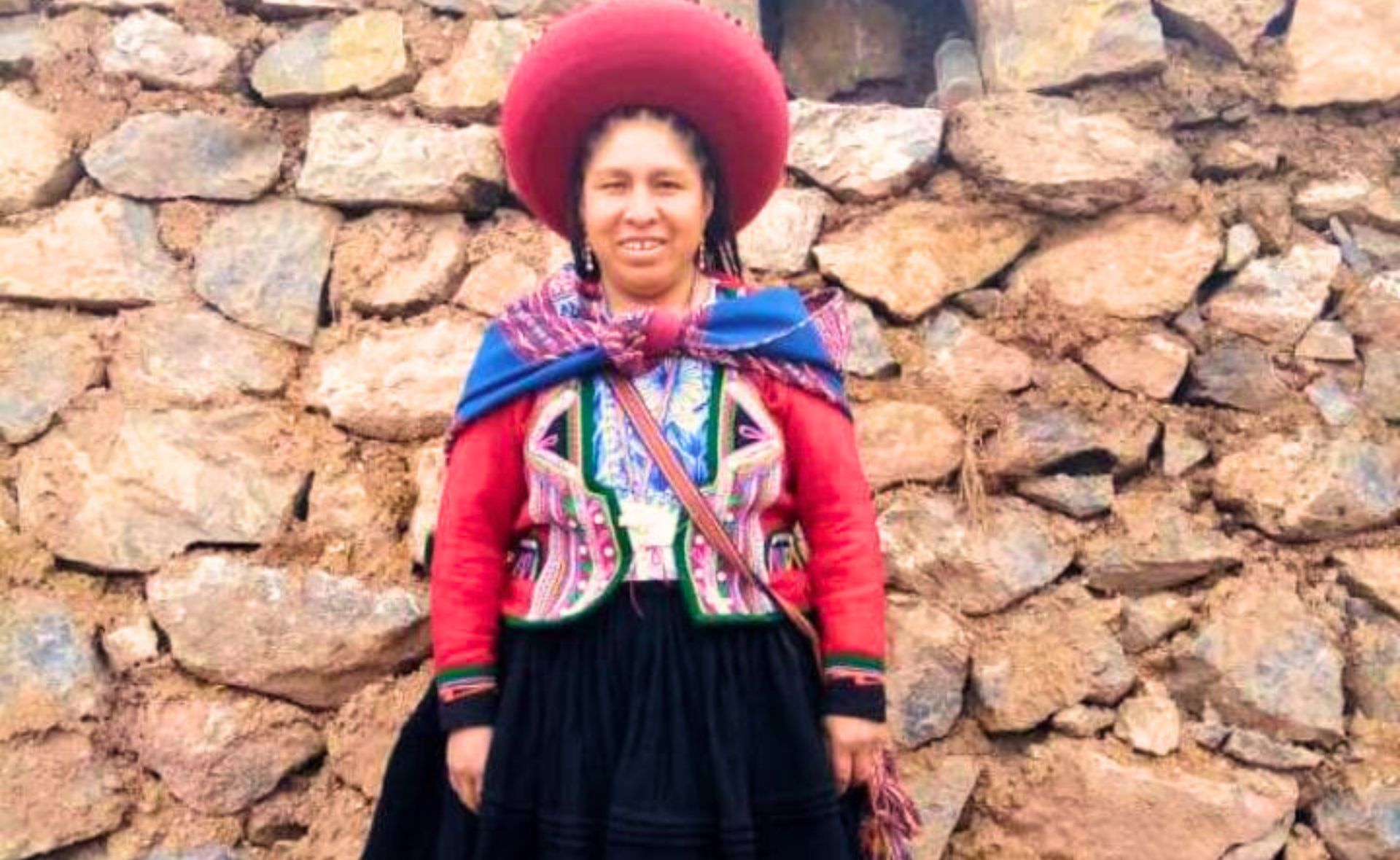
Yenny Quispe Sallo

Community member and former President of the Urpis de Antaquillka Association

Before joining the Urpis de Antaquillka Community Association, Yenny Quispe Sallo made a living by weaving belts and chullos (Andean beanies) to sell at a local market. However, this work was exhausting and unprofitable due to the low selling prices.

After meeting with her colleague Roxana, they decided it was time for a change. They wanted to showcase their amazing creations and explore new opportunities in tourism.

So, even though Yenny lacked experience in the area, she eagerly accepted the position of secretary in the association, backing up Roxana, who served as president at the time. Years later, Yenny ended up taking the presidency twice! 

In 2019, they formalized their association with 40 women, although not all of them are currently active members.

Yenny Quispe Sallo Urpis de Antaquillka Association (Peru)

Yenny and her colleagues also decided to level up their skills with some training in gastronomy and hospitality, getting ready to welcome travellers with open arms.

They were all set to welcome their first visitors in March 2020, but then, the COVID-19 pandemic hit and drastically changed their plans. This brought them down, but despite the initial setbacks, they found the motivation to move forward and complete the construction of their premises, with the help of their husbands during the pandemic.

Their perseverance paid off when they finally welcomed their first guests in July 2022, reigniting their determination. They’ve been hustling ever since, teaming up with local agencies to bring in more travellers. And by 2023, they were hosting 3 to 4 groups of tourists every month, which meant more jobs for the 23 incredible ‘mamás’ (as Yenny likes to call her colleagues), with plans to expand even more!

Their vision for the future is to keep growing, and they are immensely grateful for the support of Planeterra and Evaneos. Through our partnership, we’re supporting Yenny and all the women from Urpis de Antaquillka in enhancing their current tourism experiences and upgrading facilities and infrastructure.

This includes improving the llama hiking paths, kitchen facilities, and overall experience development. Additionally, we provide training and capacity building to ensure the success of their tourism enterprise.

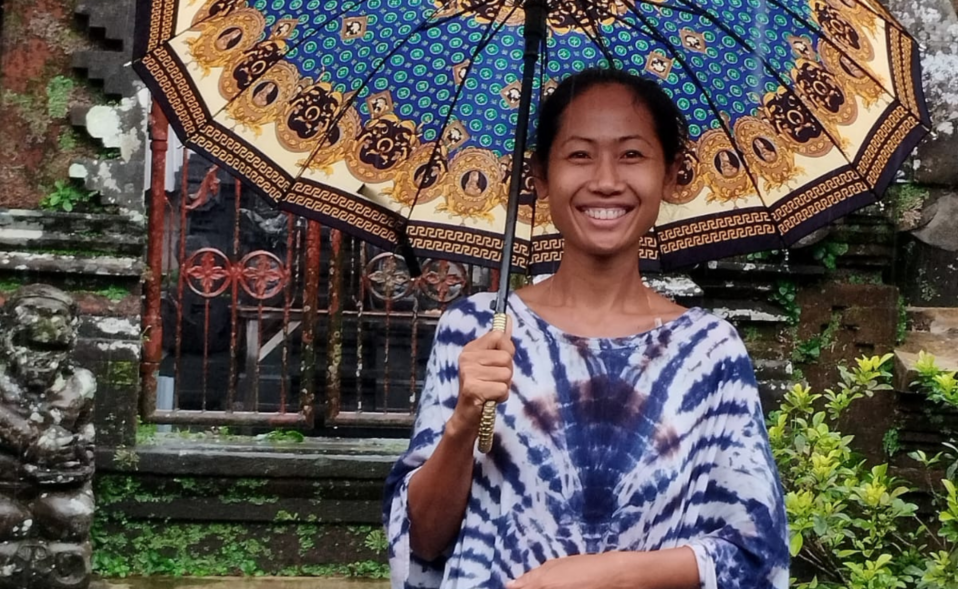
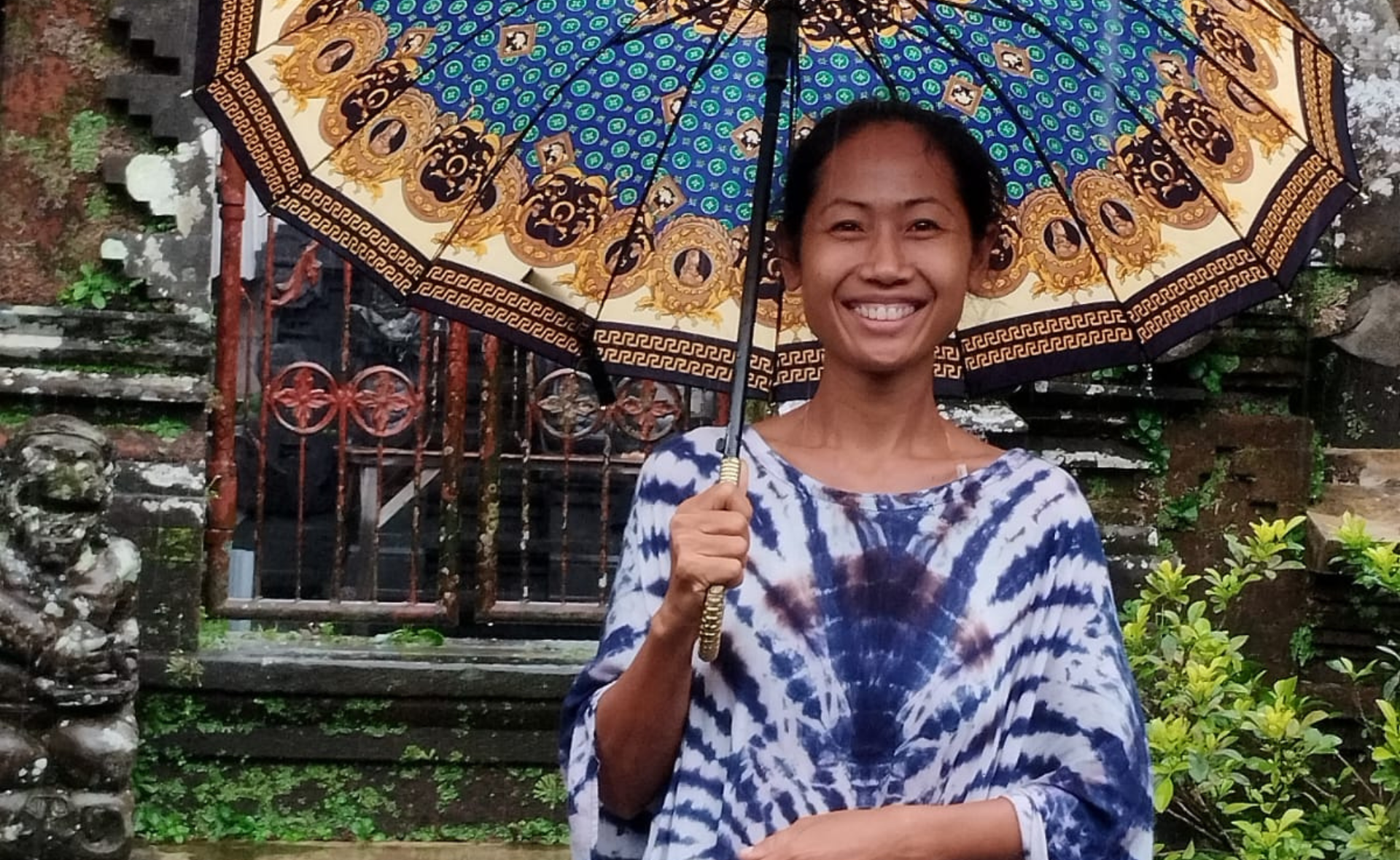
Ni Komang Sariadi (Ibu Sari)

Founder of PKP Community Centre

Ni Komang Sariadi (also known as Ibu Sari) has travelled a remarkable journey from adversity to empowerment, inspiring everyone she meets along the way.

Despite enduring the heartache of a difficult divorce and being separated from her daughter for 12 years, she refused to let despair define her. Instead, she embraced resilience and determination, returning to school with a clear mission in mind.

Driven by her own experiences, Ibu Sari recognized the need to support other women facing similar challenges. Thus, she founded the KIM Women’s Centre, a sanctuary of hope for those seeking to rebuild their lives. Understanding the importance of holistic well-being, she developed comprehensive programs to nurture the mind, body, and spirit of her fellow women, offering both emotional support and practical skills.

Ibu Sari PKP Community Centre (Indonesia)

But Ibu Sari’s vision extended beyond individual empowerment. Recognizing the crucial role families play in women’s lives, she expanded the centre’s focus to encompass the entire community. With the introduction of the new PKP logo, symbolizing unity and growth, the centre transformed into a vibrant hub where people of all ages and genders could gather to learn, collaborate, and flourish.

Today, the PKP Community Centre stands as a testament to Ibu Sari’s resilience and compassion. Through initiatives ranging from sewing and cooking to yoga and more, it continues to empower individuals to lead fulfilling lives and contribute to their community. However, sustaining this vital work relies on the ongoing support of generous donors who share Ibu Sari’s vision of a brighter future for all.

We are collaborating with Evaneos to support Ibu Sari and the PKP Community Centre in upgrading their existing catering tourism infrastructure.

This includes enhancing the walking path around the garden to make it wheelchair-friendly and accessible to everyone. Additionally, we will provide training on the technical aspects of running a successful tourism enterprise.

Jenny Rasija

Founder of Razafindrabe

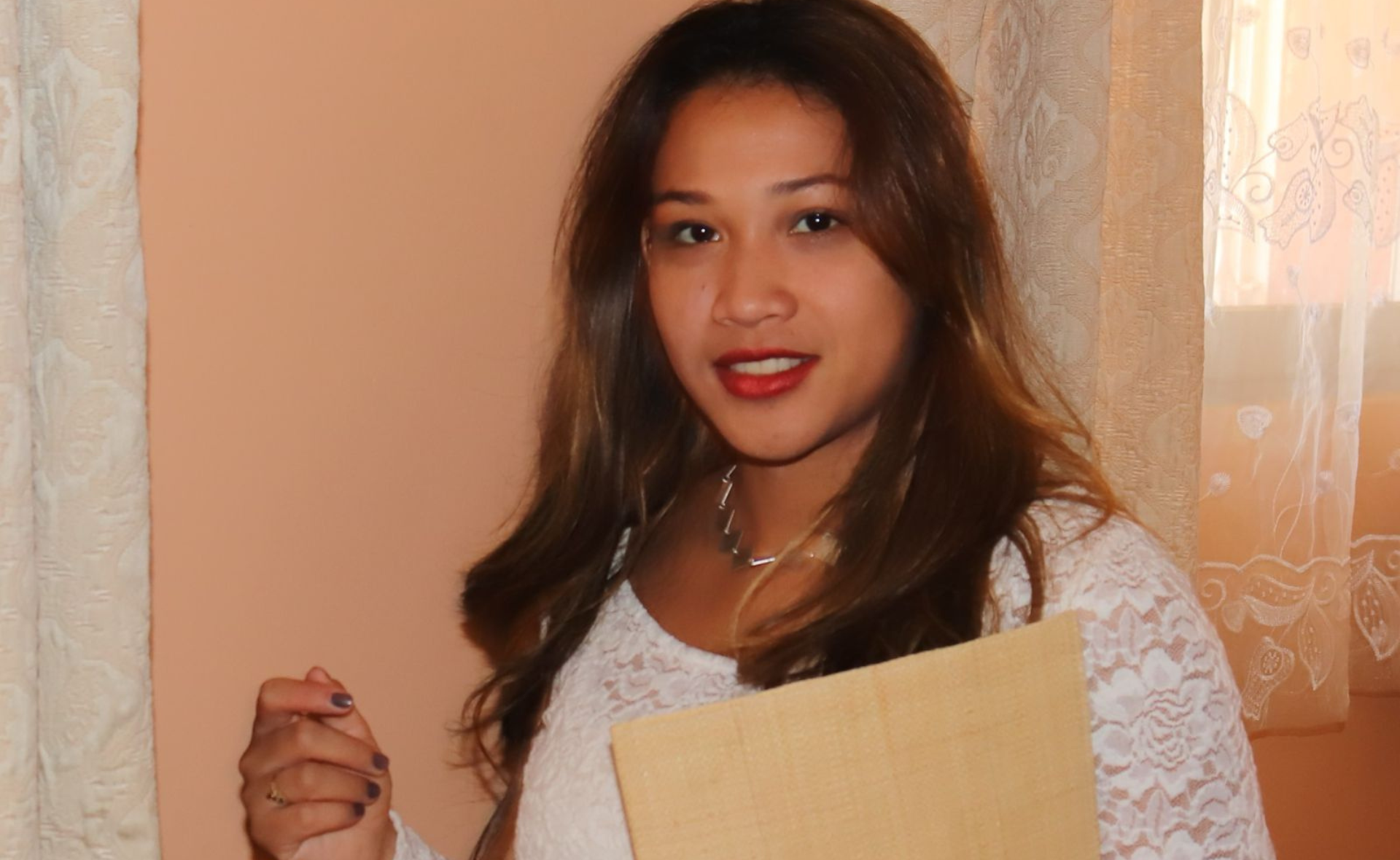
Jenny Rasija is a young Malagasy entrepreneur driven by a passion for arts, community development, and women’s empowerment.

Her journey into handicrafts started in 2010 when she joined family members in the trade. However, it was her travels across various African countries to engage in social work that reignited her passion for handicrafts. Inspired to make a difference, Jenny raised the bar and established Razafindrabe Collections in 2016.

As a social activist, Jenny advocates for artisans, working tirelessly to secure a brighter future not only for them but also for their entire families.

As a result, we aim to help Razafindrabe diversify its income, foster cultural exchange, and empower the women artisans involved. This will also lead to opportunities for their own education and that of their children, enable infrastructure upgrades and offer financial freedom.

Jenny Rasija Razafindrabe (Madagascar)

The stories of Yenny, Ni Komang Sariadi, Jenny Rasija, and all the women inspiring change within their communities are true examples of the power of community tourism to uplift lives and create better futures for women worldwide.

We are grateful to partner with global leaders such as  Evaneos to continue fostering the positive impact of tourism. Stay tuned for more updates on this exciting partnership.


Read more

Asociación de Mujeres Artesanas Zoológico Mágico

Asociación de Mujeres Artesanas Zoológico Mágico

San Martin de Tilcajete, Oaxaca, Mexico

Impact

This newly formed cooperative was founded by 13 women who aspire to foster growth and generate employment opportunities for women and youth through art. Their primary objective is to preserve the Zapotec culture and the cherished artisanal process of creating alebrijes, a local cultural heritage.

Their workshop is a haven of fantasy and art, where they breathe life into various animal creatures they can imagine. Each piece is meticulously crafted with their own hands, skillfully combining vibrant colors that enhance the beauty of the wood.


18
people directly impacted


108
women indirectly benefitting

Critical Need

San Martín Tilcajete is a town located in Oaxaca famous for the woodwork created by local artisans. The main piece of Art in the wood workshops is the famous Alebrijes, which are wooden figures that represent different animals of the Zapoteca culture and some of their legends, there are approximately 150 alebrijes artisans.

The alebrijes are a big part of the Oaxacan culture and preservation from generation to generation is very important. Nowadays a lot of different people around Mexico create copies of the original alebrijes and they are sold everywhere, the artisans in San Martin are having a hard time generating enough income and the value of their art has gone down according to the market prices.

Our Involvement

Planeterra has been working together with the women of the Zoologico Mágico association to find out what are the most pressing needs to be able to host travellers. They needed a bathroom for visitors, as well as to finalize the process of registering their business. Now they are fully registered and have brand-new bathrooms.

Through this partnership, we also connected Asociación de Mujeres Artesanas Zoológico Mágico to travellers who are now able to experience the Zapoteca culture and the making of alebrijes. This additional revenue will increase their income so they are able to grow as a community.

Aso

Related projects

Read more

CFLI Project in Sri Lanka comes to a successful close

Planeterra & Canadian Fund for Local Initiatives

In June of 2020, Planeterra was awarded a grant from the Canadian Fund for Local Initiatives (CFLI), for a project focussed on increasing domestic demand for Sthree’s handicraft and cafe has come to a close! The CFLI is a program designed to support small-scale, high-impact projects in developing countries, which align with Global Affairs Canada’s thematic priority areas for engagement.

This month marks the end of Planeterra’s project with the Candian Fund for Local Initiatives (CFLI). We began working with CFLI in June with our partners at the Women’s Development Centre (WDC) in Sri Lanka. The goal of this project was to empower women entrepreneurs dependent on international tourism for their income, to better access the domestic markets in order to reduce the volatility of their household income to changes in the tourism market.

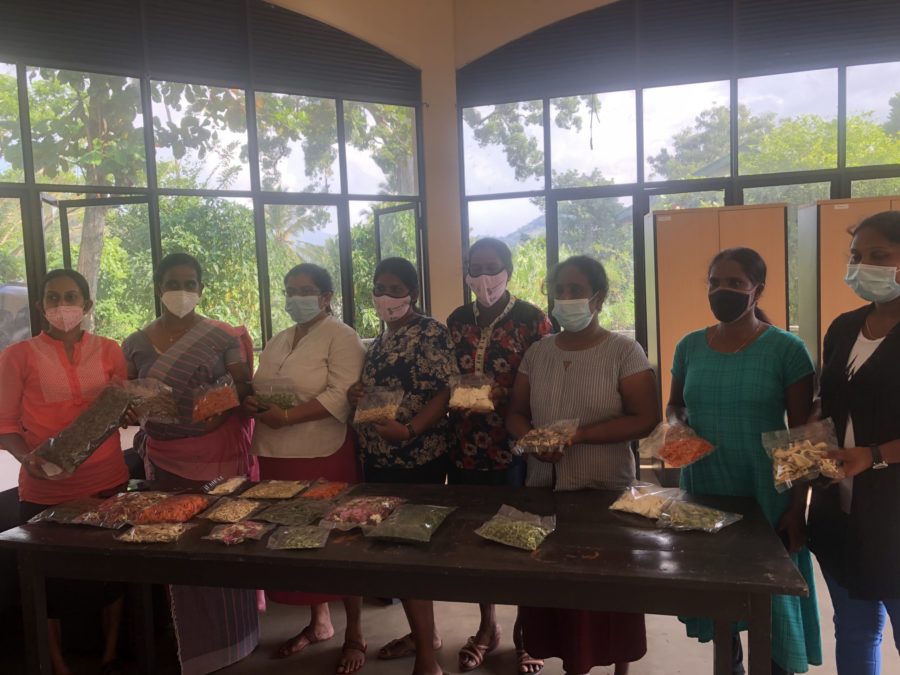
We are excited to share that this project has equipped 110 women entrepreneurs and 23 employees from the WDC in Sri Lanka with increased knowledge of business management, improved handicraft skills, and a better understanding of domestic market channels and trends. 

These trainings have renewed a sense of confidence within the entrepreneurs to capture new markets with the right products, and a new confidence in the WDC team to lead the entrepreneurs to success and better tap into online markets to support the sale of their products,” says Rhea Simms, Senior Programs Manager of Planeterra.

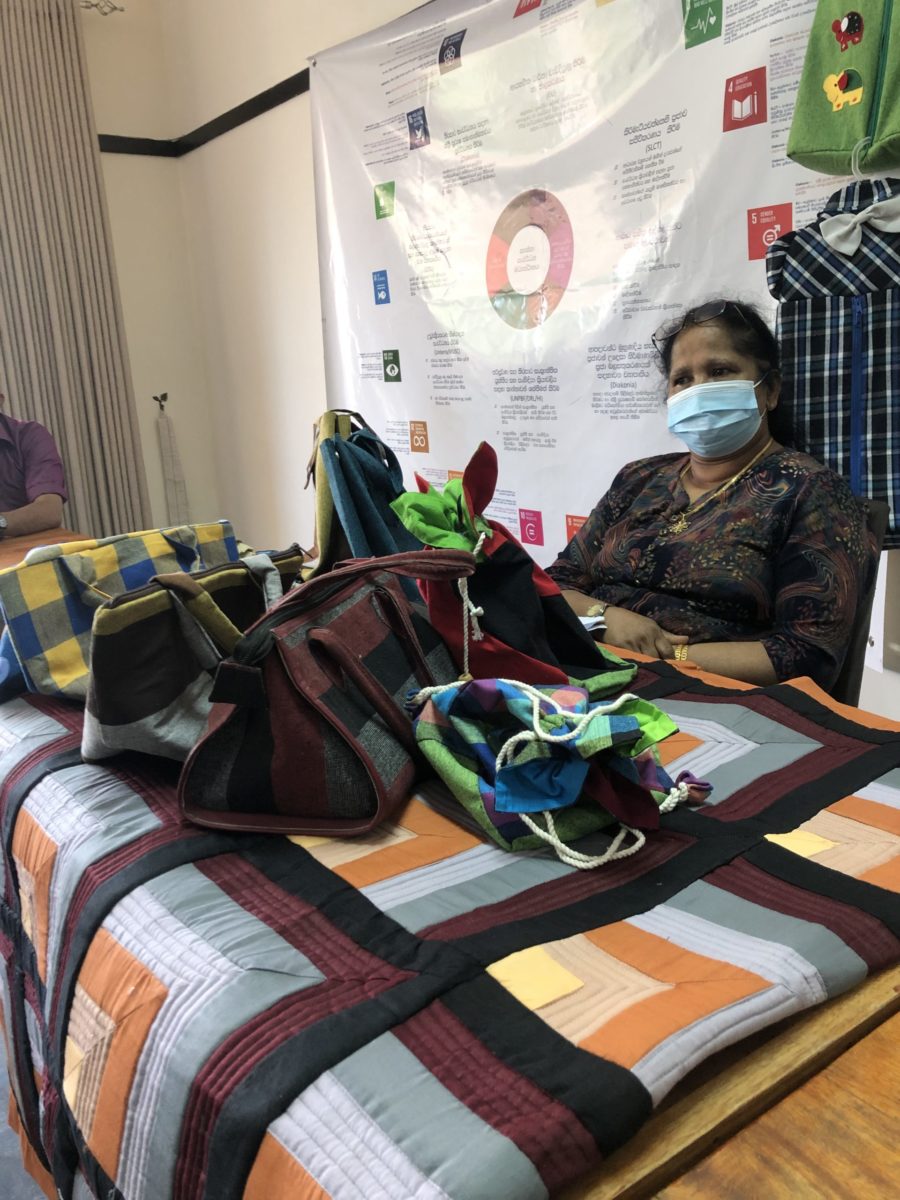
Handicraft quality training was conducted on shoe making, batik dying, candle making, crocheting, soft toy making, saree blouse making, artisanal soap making, packaging and food dehydration. All skills training activities were identified through market assessments conducted to better understand local purchasing trends. Some entrepreneurs went on to receive mentorship which allowed them to put their new skills into action and develop their very first business plans. Marketing and social media training played a large role as well, as the world becomes increasingly online. 

While COVID-19 impacted some of the sessions, the local trainers and entrepreneurs were quick to improvise using Whatsapp to communicate and participate in lessons remotely. Recordings of training sessions were completed to keep the program moving along effectively and ensure that the learnings could continue beyond the project period.

Despite the challenges posed by COVID-19, the project was a success with over 160 people benefiting from the project, 149 of those being women. While it is still early to know the full impact of this project, six women entrepreneurs have developed brand new products for the domestic market – two of them related to food dehydration. Four partnerships were developed to increase sales and skills for women entrepreneurs. Lastly, three entrepreneurs were able to secure large orders through effective marketing both direct and through social media, with differentiated products based on project learnings. 


We are proud to have been a part of such an impactful initiative and we know that it will continue to make a difference for women entrepreneurs across Sri Lanka. 

About Planeterra

Planeterra is committed to turning travel into impact by helping local communities earn an income from tourism. It is a non-profit organization created in 2003 by G Adventures’ founder, Bruce Poon Tip and was started with the purpose of connecting underserved communities to opportunities in the travel industry. Planeterra helps local organizations and communities use tourism as a catalyst to improve people’s lives, protect their natural environments, and celebrate their culture. For more information please visit www.planeterra.org

Read more