community tourism

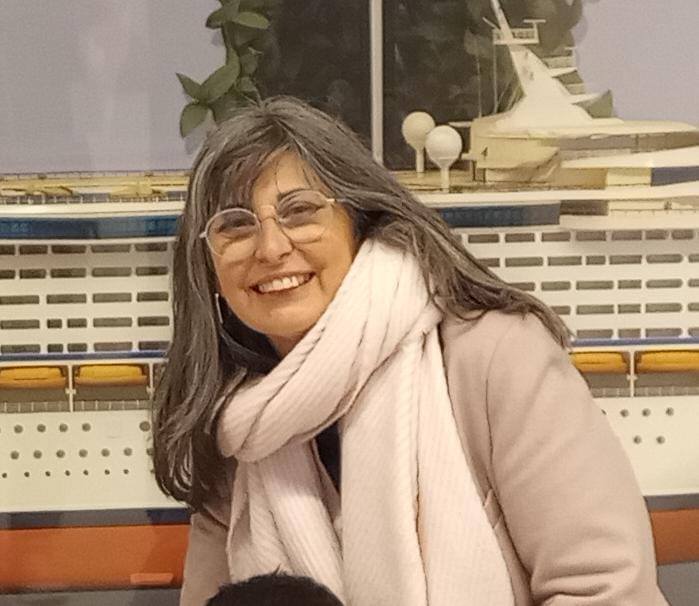
Meet Romana Tomić from Association Deša Dubrovnik

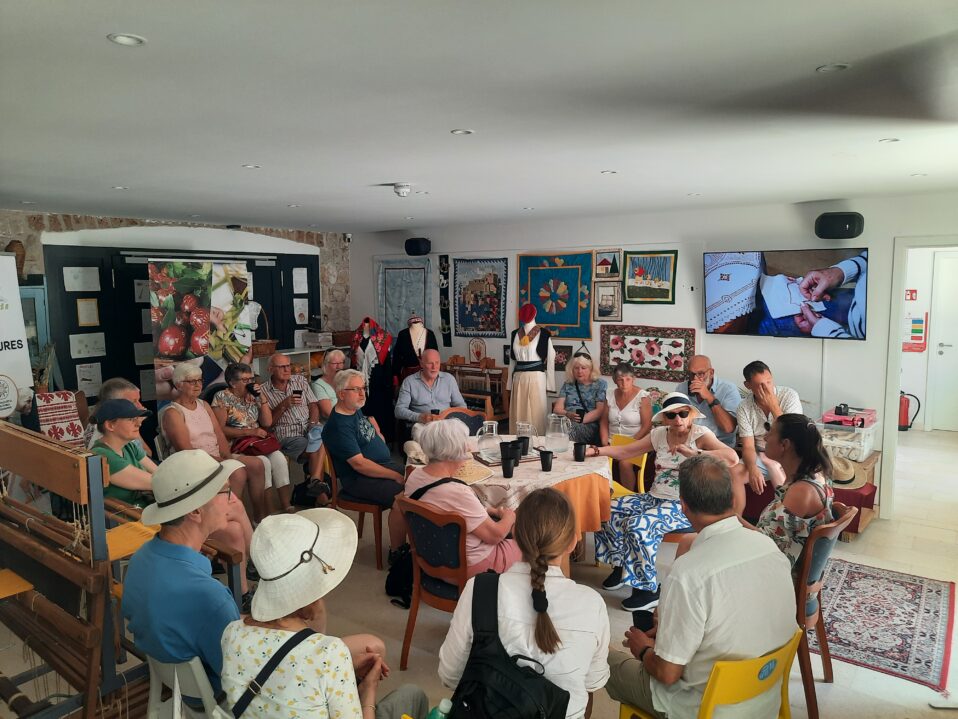
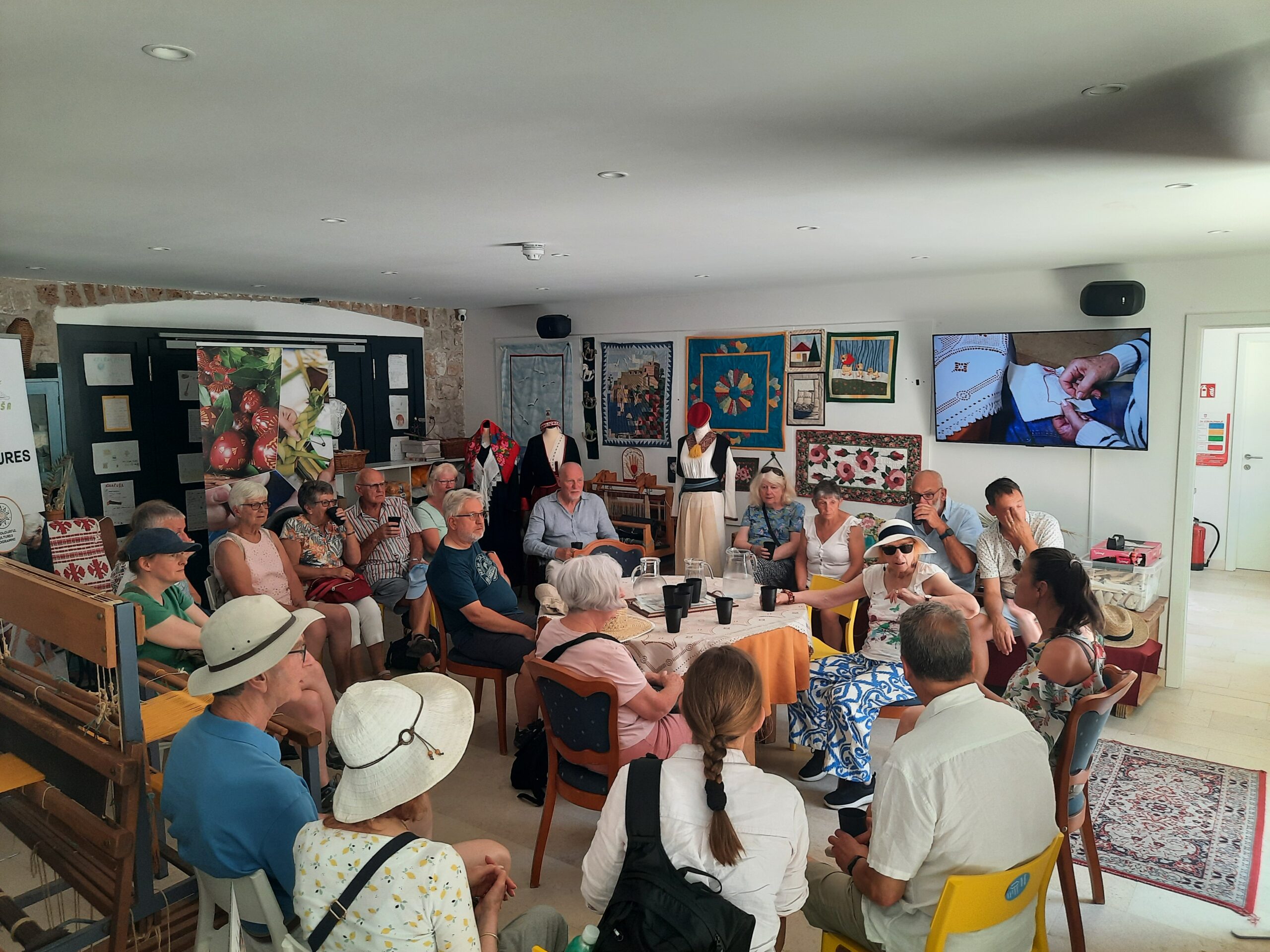
Deša is a non-governmental organization that has been active since the beginning of the Homeland War in 1991. It was created as a space where women could support one another through the challenges they were facing, and over time, they began developing a small handicraft business together.

What started as a grassroots initiative has grown into a women’s centre where skills, knowledge, and cultural traditions continue to be shared and sustained.

When visiting Deša, travellers are invited to learn about the local history while experiencing weaving, embroidery, traditional delicacies, and patchwork.

But for Romana, these visits go far beyond demonstrations.

Romana has been part of Deša since the very beginning. She often says the women there helped raise and inspire her. When she speaks with visitors, she shares not only the history of the organization but her own journey,  from its early days to what it represents today.

When she talks about their wartime and post-war experiences, many travellers are deeply moved. There are moments of silence, of tears, and also of connection. 

“We share stories, emotions, and sometimes even hugs,” she says. “Those moments stay with me, and I believe they stay with the visitors too.”

Romana Tomić Association Deša Dubrovnik (Croatia)

Although it can be difficult to revisit these experiences, Romana is grateful that people are willing to listen. For her, these conversations are also a way of processing and healing, a reminder that sharing can create understanding.

Today, she takes particular pride in speaking about what Deša has built over the years, especially the ongoing work to strengthen support networks for women. 

Through conversations with visitors, she is often reminded that many challenges and efforts toward dignity and safety are shared across different parts of the world.

And then there’s what she calls her “secret mission”: helping younger generations connect with and appreciate their cultural heritage. 

In truth, she enjoys sharing every part of the work Deša continues to do.

Romana is proud of what Deša represents, a space shaped by the women who built it, and one that continues to evolve with them.

Stories like Romana’s show how community tourism can create space for connection, understanding, and shared experiences.

Read more

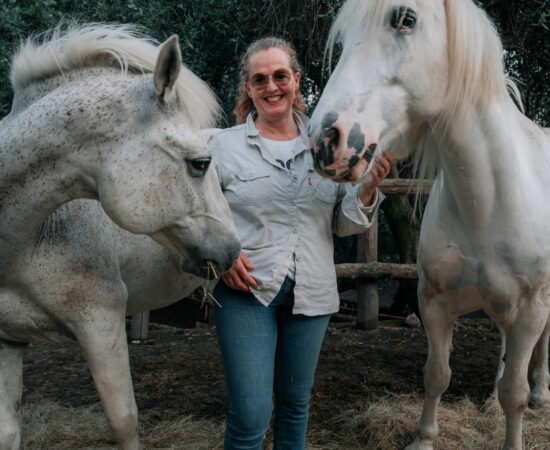
When Wild Horses Became an Opportunity: A Story of Coexistence in Italy

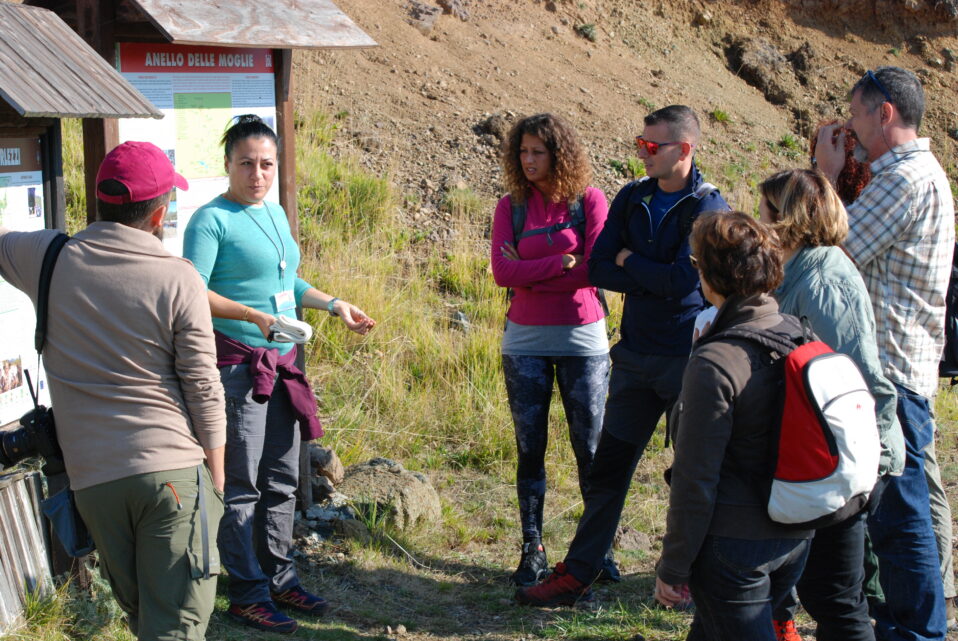
In the Aveto Valley in northern Italy, a small population of wild horses once sparked heated debate. For some residents and authorities, they were seen as a problem. Animals that did not belong in the landscape and posed risks to people and agriculture.

For Evelina Isola, the story looked different.

As a naturalist, she was curious about a simple question: what if the horses were not the problem?

Together with her colleague Paola Marinari, Evelina began exploring whether these animals could live in balance with the ecosystem that surrounded them, a protected natural park governed by the European Habitats Directive. What started as a question soon became a long journey that would reshape how people in the region understood wildlife, conservation, and the role tourism could play in supporting both.

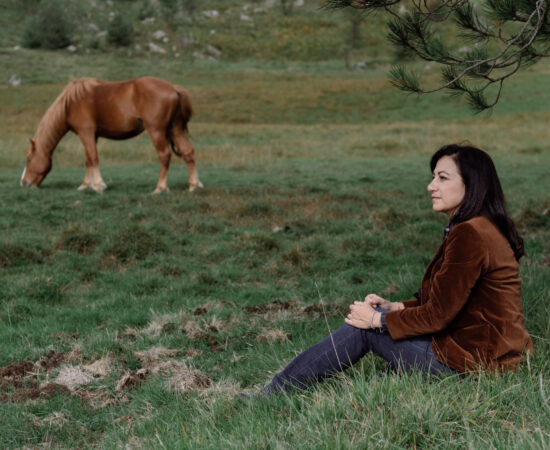
Today, Evelina is the co-founder and scientific manager of ReWild Liguria, an organization dedicated to promoting coexistence between people and wildlife in the region. But the story began years earlier, at a time when the horses’ future was far from certain.

Evelina Isola
Co-founder and scientific manager, ReWild Liguria (Italy)
Evelina Isola Co-founder and scientific manager, ReWild Liguria (Italy)

From “problem” to possibility

The first turning point came in 2011. At the time, Paola was involved in a regional program aimed at removing the horses from the area. Authorities considered them dangerous, and capture operations had already begun. After a poaching incident and a series of problematic capture attempts, the Italian Ministry of Health intervened and halted the program.

Paola Marinari
Co-founder, ReWild Liguria (Italy)
Paola Marinari Co-founder, ReWild Liguria (Italy)

For Paola, the moment sparked a shift in perspective.

She began to question whether adoption programs and removals were really the solution. Instead, she wondered if the presence of the horses, widely seen as a problem, could actually become an opportunity for the territory.

When Evelina joined the conversation, the two decided to approach the situation from a scientific perspective. They began collaborating with universities and researchers to study the horses and their relationship with the surrounding environment.

The results were striking. The animals had fully adapted to the landscape and were living in balance with other wildlife species without causing ecological damage. Rather than threatening the ecosystem, they had become part of it.

That discovery laid the foundation for a different approach to conservation, one rooted not in removal, but in coexistence.

Building a project from the ground up

The idea that the horses could be part of the landscape did not immediately win widespread support.

For years, Evelina and Paola worked almost entirely on their own. The project had no institutional backing and very limited resources. In rural areas, some residents still viewed the horses as a problem, and at times the two women even received threats.

Yet something else was happening at the same time.

Visitors, researchers, and students began arriving in the valley, curious about the horses and the research taking place around them. Universities from across Italy showed growing interest in studying the population.

In 2014, Evelina and Paola formally registered the brand I Cavalli Selvaggi dell’Aveto – Wild Horsewatching®”, creating a recognizable framework for their work and laying the groundwork for a new kind of nature-based tourism experience.

What began as scientific research gradually evolved into a project that connected conservation, education, and tourism.

When visitors become part of the story

Over time, the initiative started attracting students from a wide range of disciplines.

Researchers studying the horses were not limited to ecology or biology. Some focused on ethology, anthropology, environmental law, and even territorial marketing, exploring the broader relationship between wildlife, communities, and landscapes.

For Evelina, one moment in particular stands out.

During one of the early excursions in the valley, she guided two Natural Sciences students from the University of Genoa. At the time, she had no idea how meaningful the experience would become.

One of those students, Sara, was on the verge of leaving university. She had nearly decided not to finish her degree. But through the project — and her encounters with the horses — she found a renewed sense of purpose.

Sara eventually completed her studies and became one of the most dedicated students working with the project.

For Evelina, experiences like this reveal something deeper about the initiative.

“It’s not only about wildlife conservation,” she says. “It’s also about inspiring people and helping them rediscover their place in nature.”

Learning that coexistence is a social process

Through years of research and dialogue, Evelina has come to understand that coexistence between people and wildlife does not happen automatically.

Scientific studies are important. Communication and awareness matter as well.

But they are not enough on their own.

Coexistence requires listening to communities, creating space for different perspectives, and building dialogue around shared landscapes. It is, at its core, a social process.

This realization has shaped the work of Rewild Liguria and the development of Wild Horsewatching, which allows visitors to observe the horses in a respectful way while learning about the delicate balance between wildlife, ecosystems, and local communities.

Visitors who join these excursions are often surprised by what they discover.

Many arrive expecting to simply observe wild animals. Instead, they leave with a different perspective on their own relationship with nature.

.

A growing network of people and ideas

Today, Rewild Liguria is still a relatively small organization, but it is no longer just two people.

Students who conducted thesis research with the project have continued supporting the initiative after graduating. Some now work in fields such as natural sciences, biology, anthropology, and equine science, contributing their expertise and helping expand the project’s reach.

These collaborations have created a growing network of people connected to the Aveto Valley and its wild horses.

Looking ahead, Evelina hopes to strengthen partnerships with universities, organizations, and institutions at both the national and international level. Greater collaboration could allow the project to exchange knowledge, build new research initiatives, and access resources needed to expand its impact.

Creating opportunities through nature

While conservation remains central to the project, Evelina also sees potential for something more.

Rural communities across Europe are facing economic and demographic challenges, and many traditional livelihoods are disappearing. Initiatives like Wild Horsewatching could offer a different kind of opportunity, one rooted in respect for nature and local landscapes.

“My hope is that this work can create real opportunities for people who live in this area,” Evelina explains.

Not simply tourism for its own sake, but meaningful work connected to the natural environment.

Today, much of the project still relies on voluntary effort and personal dedication. Evelina hopes that in the coming years it can evolve into a stable professional pathway for people interested in promoting coexistence with wildlife through nature-based experiences.

Beyond economic opportunities, she believes the project can also help shift how people see wildlife.

In many rural areas, the return of wild animals is often perceived as a threat. Projects like this one show that coexistence is possible, and that wildlife can also become a cultural, educational, and economic resource for communities.

A message for visitors

For Evelina, the deeper purpose of the project goes beyond conservation or tourism.

When visitors return home, she hopes they remember one simple idea.

“We do not go into nature as something separate from it,” she says. “We are nature.”

The horses of the Aveto Valley offer a reminder that humans are only one part of a much larger system. Observing wildlife can help people reconnect with that understanding in a very direct way.

The project also carries another message.

Fifteen years ago, the idea of rewilding tourism in the valley was almost unheard of. Two women began asking questions about the horses with no resources and little institutional support.

Yet their curiosity and determination created something that continues to grow.

Meaningful change, Evelina believes, often begins with small steps, and with the courage to imagine a different relationship between people, communities, and the natural world.

Anyone, anywhere, can start that conversation.

Read more

How Tunisian Artisans are bringing tradition into the future

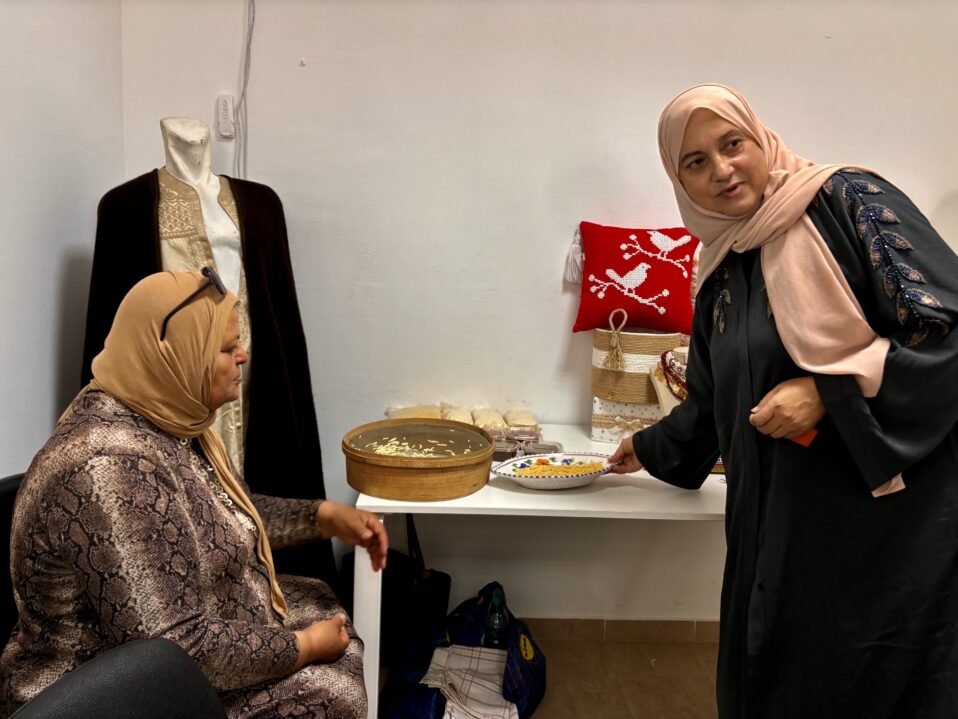
For generations, artisans across Tunisia have passed down skills through careful hands, patient work, and deep cultural knowledge. But in today’s world of mass production and global markets, these traditions can struggle to find space.

That challenge is exactly what inspired Noura Bent Taieb Rouis to help create the Rachaek Patrimoine Association.

The association was founded with a clear goal: to preserve artisanal heritage while helping artisans adapt to a changing world.

“Our goal was to modernize artisanal products and keep up with the times,” Noura explains. “At the same time, we wanted to introduce our cultural heritage and encourage investment in the creative skills of artisans.”

Noura Bent Taieb Rouis Rachaek Patrimoine Association (Tunisia)

For many artisans in the region, the challenge was not a lack of talent, but limited opportunities to share their work.

“Artisans had a limited audience and restricted sales,” she says. “This created a desire to expand and reach a broader market.”

The solution was collaboration. Artisans came together to create an association that could strengthen their collective voice and create new opportunities.

Bringing heritage to new audiences

For Noura, joining the association was about more than simply selling products.

“What attracted me was the aspiration to reach a distinguished level and expand the reach of our products,” she says.

Traditionally, artisans relied on small exhibitions or occasional markets. But through the association, they began exploring new ways to connect with audiences and showcase their work.

Visitors now have the opportunity to learn not only about the products themselves but about the stories behind them.

Noura takes particular pride in sharing the origins of the materials and techniques used in the crafts.

“I like explaining the sources of our raw materials and the heritage behind each piece,” she says.

For many visitors, these conversations transform a simple object into something far more meaningful: a connection to a living cultural tradition.

Passing knowledge to the next generation

While visitors are important, some of Noura’s favourite moments come from working with children in the community.

One memory stands out especially.

“Our events with children are always spontaneous and full of energy,” she says. “Their playful spirit inspires us to work even more with the rising generation.”

For artisans, passing knowledge to younger generations is essential to keeping traditions alive.

Workshops and events give children the chance to experience craft not just as something to observe, but something to participate in.

Strengthening craft through collaboration

Partnerships and external support have also played an important role in helping the association grow.

Through trainings and collaborations supported by partners such as Planeterra and Iberostar, the association has been able to strengthen both skills and confidence.

“These relationships helped us improve our knowledge and continue raising the quality of our work,” Noura says.

They also helped artisans rethink the role of their craft.

Instead of focusing only on selling products, the association began emphasizing the artistry, mastery, and cultural value behind each piece.

Association Rashaek Patrimoine -Tunisia
Association Rashaek Patrimoine - Tunisia

Quality over quantity

In a world full of mass-produced goods, Noura believes the true value of artisanal work lies in its uniqueness.

“Our focus is always on quality, not quantity,” she says.

While markets are filled with industrial products, the work created by artisans tells a different story.

“We use high-quality raw materials and craft each piece carefully,” she explains. “Every creation is unique.”

For visitors, this dedication often leaves a lasting impression.

Noura hopes they leave with a deeper appreciation for the skill, patience, and creativity behind each piece of craftsmanship.

Looking to the future

For Noura, the future of the association is filled with possibility.

She hopes the organization will continue to grow, expanding opportunities for artisans while strengthening the presence of Tunisian craftsmanship locally and internationally.

“I hope the association will thrive and expand,” she says. “I wish to see branches in many areas, increased sales and income for artisans, and a strong presence both regionally and internationally.”

At its heart, the work remains rooted in a simple but powerful idea:

preserving heritage while creating new opportunities for the future.

About the Rachaek Patrimoine Association 

Founded in 2021, the Rachaek Patrimoine Association brings together artisans and young professionals dedicated to preserving Tunisia’s rich craft traditions while creating new opportunities for local makers.

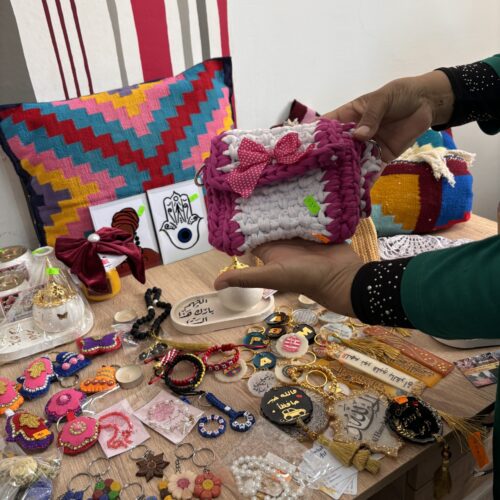
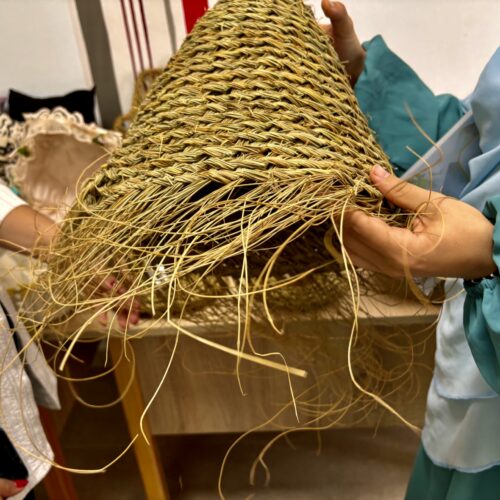
Members produce a wide range of handmade goods, including weaving, embroidery, textiles, and artisanal food products, using locally sourced materials such as camel wool, pure silk, and honey. Each piece reflects generations of knowledge, creativity, and cultural heritage.

Like many artisan groups, the association initially faced challenges. Competing with mass-produced products and operating without a permanent space made it difficult to reach wider audiences. At one point, members even considered closing the association.

Instead, they continued organizing exhibitions, refining their craft, and building connections to help their work reach more people.

Through Planeterra’s partnership with Iberostar, the Rachaek Patrimoine now has a dedicated space within Iberostar Kantaoui Bay where artisans can present and sell their work to visitors. This space has opened up new opportunities for income while allowing artisans to share the stories, materials, and traditions behind each creation.

For the members of the association, it is more than a place to sell products. It is a space where Tunisian craftsmanship can be celebrated, shared, and passed on to future generations.

Read more

Reclaiming the Story of Isla Maciel Through Community Tourism

When Carla Fodor was principal of the only secondary school in Isla Maciel, she noticed something that deeply concerned her.

Many students were reluctant to say where they lived.

“Many young people had a very diminished view of the place where they lived,” Carla explains. “There was little knowledge about the history, roots, and heritage of the territory, and in many cases, students even felt ashamed to say where they came from.”

Located just across the river from Buenos Aires, Isla Maciel has long carried a strong external stigma, often associated only with violence or crime. Those narratives shaped how young people saw themselves and their community.

That question became the beginning of a project that would eventually grow far beyond the classroom.

Carla Fodor Museo Comunitario Isla Maciel (Buenos Aires, Argentina)

A project born from education

The initiative first started as a pedagogical experience.

Students began exploring their own neighbourhood: interviewing residents, documenting stories, and learning about the history and culture of the place they called home.

“It was a way to look at the territory again,” Carla says, “to recover local stories, knowledge, and memories, and to create space for young people to recognize themselves as part of a place with value.”

Two years later, neighbours began to join the initiative. What started as a school project soon evolved into a community effort.

Eventually, the initiative became the Isla Maciel Community Museum, a civil association built and sustained by local residents.

Community Tourism as a new chapter

As the project grew, the community began exploring how visitors could learn about Isla Maciel directly from the people who know it best.

Through community tourism initiatives supported by partners like Planeterra and its travel partners such as G Adventures, travellers are now welcomed to experience the neighbourhood through guided visits and cultural exchanges.

But for Carla, the most meaningful impact goes beyond tourism itself.

“One of the things that makes me most proud is witnessing the transformation of the people involved in the project,” she says.

“Seeing their processes of growth, how they gain confidence, and how they move from participating shyly to becoming active and decisive members continues to teach me every day. The project does not only receive visitors; it also transforms those who sustain it.”

Stories that break stereotypes

Visitors often come to Isla Maciel with curiosity, but they leave with something more.

“Travellers often highlight the closeness, the ease of a hug, and the simplicity of our storytelling,” Carla says.

“They value meeting people who can always add a ‘bonus track’ to the narrative, because what is shared is not memorized, it is lived.”

One of her favourite memories comes from a cultural exchange with a group of secondary school students from Denmark.

Nearly eighty young people arrived with many preconceived ideas about the community and about Argentina.

But those perceptions quickly changed.

“They ended up sharing dulce de leche cake, laughing out loud in an improvised football match, even though they played quite badly,” Carla remembers with a smile.

“By the end, they left hugging us. For me, that says more than any explanation ever could.”

View of the main street of the neighborhood

Building something together

Over the years, partnerships, trainings, and collaborations have helped strengthen the organization.

But Carla emphasizes that the project has always been built collectively.

“Our organization was never built alone,” she says.

“When we were just ten people meeting in a cold, dark space, many organizations trusted us when there were no visible results yet. They believed in what we were proposing.”

That trust allowed the community to slowly transform the space, repairing the roof, creating workshops, building an auditorium, and establishing cultural programs.

“Without that network of support, trust, and shared work, we would not be who we are today.”

Looking ahead

For Carla, the future of the initiative is rooted in the same values that guided its creation more than a decade ago.

“I hope this work continues to generate stability and real opportunities, especially for young people,” she says. “I hope families can imagine their future here without feeling that leaving is the only option.”

For her personally, the connection to the community has become deeply meaningful.

“Being called ‘Carla de Maciel’ means more to me than any academic degree,” she says.

“It is a form of belonging that carries enormous meaning.”

And for those who visit Isla Maciel, Carla hopes they leave with one simple realization.

“I would like them to remember that they did not just visit a place, but shared a moment with real people.”

Read more

Women with Wheels is driving change one journey at a time in India

In cities across India, mobility has long been a barrier for women,  a reflection of deeply rooted gender norms that limit opportunity, independence, and safety. Sakha Consulting set out to change that through many initiatives, one of them being its Women with Wheels program.

Women with Wheels -Sakha Consulting

What began as a bold idea to put women behind the wheel professionally has grown into a movement transforming lives, families, and public spaces. 

Through intensive training, self-defence, leadership development, and driver certification, women from low-income and marginalized backgrounds gain more than a job. They gain autonomy, mobility, and a voice.

Their training partner, the Azad Foundation, supports women not only in driving skills, but also in building confidence, leadership, and community networks. With Sakha Consulting providing employment pathways, from cab services to tourism and logistics, Women with Wheels is rewriting what’s possible for women in India’s transport sector.

More than 5500 women have become professional drivers since the program began, making streets safer, shifting public perceptions, and becoming role models in their communities. 

In cities where women once needed permission just to visit the health clinic, they are now navigating highways, leading community change, and inspiring future generations.

Meet Rajni Mala

“Earlier, I was afraid to step outside; today, I confidently drive on the roads of different cities.” – Rajni, Sakha Driver, Indore

For most of her life, Rajni’s world was confined to the walls of her home and the small chocolate factory where she worked. She earned ₹3,000 a month and rarely travelled alone, a reality shared by many women in India who face barriers to mobility and public work.

When her husband passed away, everything changed. With two children to support, Rajni needed not just an income, but dignity, safety, and a future she could steer herself.

Joining the Women with Wheels program became her turning point.

With training, mentorship, and the confidence to navigate public spaces on her own terms, Rajni took the wheel (literally and figuratively!). Today, she drives across multiple Indian cities, including Indore, Bhopal, Pune, Nashik, and Mumbai. She has become the primary earner in her family, ensuring her children receive quality education and new opportunities.

“Driving has given me not just a livelihood but an identity. I am an empowered woman, moving forward strongly both on the road and in life.”

Rajni Mala Sakha Cab Driver from Indore, Madhya Pradesh

Rajni didn’t just learn to drive, she learned to take control of her journey. And she brings her community along with her, proving what mobility can truly mean: freedom, pride, choice, and leadership.

The impact community tourism is helping support

This is the ripple effect of opting to support Women with Wheels during your travels and beyond: 

  • Over 5500+ drivers women, like  Rajni, trained as professional drivers.
  • First-ever women driving public buses in Delhi after policy change
  • Women become breadwinners, leaders, and decision-makers
  • Daughters and sons getting better education, creating intergenerational impact.
  • Women shifting from “I cannot” to “I can, and I will.”

Planeterra collaborated with the Azad Foundation to offer financial support for Women with Wheels, enabling the expansion of their vehicle fleet and funding their training program. Furthermore, G Adventures became the first tour operator to team up with Women with Wheels as their India airport pick-up service, creating a sustainable and growing customer base for this impactful social enterprise. 

The impact of our partnership is not only reflected in the increase of women drivers throughout the years, but also, as this model gains success, Sakha will continue to spread the program across India to empower more women and provide safe transfers for families and travellers.

For more information about Women with Wheels, you can visit  www.sakhaconsultingwings.com and follow them on social media.

Read more

Community Tourism in Guatemala: Chokojol Juyu

In San Antonio Aguas Calientes, Guatemala, the Chok’ojol Juyú Training Center is keeping Kaqchikel Maya traditions alive. Focused on empowering local women and children, the center ensures that ancestral textile techniques are passed down while also providing sustainable income opportunities through community tourism.

Chok’ojol Juyú San Antonio Aguas Calientes, Guatemala

When the center was founded, 90% of local girls wanted to learn to weave but had no teachers. Today, 43 students, 35 girls and 8 boys, graduate from Chok’ojol Juyú able to create complete textile pieces, preserving a craft that was at risk of disappearing. Boys are also learning, challenging traditional gender roles, while the community gains pride and cultural continuity.

Through tourism, the center shares this heritage directly with visitors. Travellers participate in interactive backstrap loom weaving workshops, learning double-brocade techniques unique to Guatemala, enjoy traditional Mayan lunches cooked over wood fires, and even wear locally made clothing. 

Visits are carefully managed to support the local economy and fund free weaving classes for children, ensuring that tourism benefits the community rather than simply observing it.

Planeterra supports Chok’ojol Juyú by helping integrate their workshops into travel partner offerings, providing grants to improve facilities, and offering access to training through the Planeterra online learning hub. These resources strengthen the community’s capacity to manage tourism sustainably while maintaining full control over how their culture is shared.

The result is a direct, respectful exchange: visitors connect with the women leading their cultural revival, and the community gains economic support, educational opportunities, and pride in their heritage.

Chok’ojol Juyú is demonstrating how communities can lead cultural heritage celebration and economic empowerment while sharing their heritage with the world.

Read more

A Journey into Community Tourism in Southern Albania

Written by Loneta Progni, Journalist
What I learned from gliko, wool, and the warmth of locals

I’ve always believed that travel has the power to change us, but I didn’t expect this trip to southern Albania to shift my perspective so deeply. I joined a familiarization trip organized by Planeterra and their travel partner, Evaneos to explore what community tourism can look like when it’s done with real intention and engagement.

Trips like this come to life thanks to collaboration between community leaders, local DMCs, and organisations like Planeterra and Evaneos, who work to support and strengthen locally led tourism experiences.

And let me tell you: it was eye-opening.

For two full days, I had the chance to step into workshops, kitchens, living rooms, and traditions that many travelers never see, not because they aren’t there, but because they haven’t been given space to shine. That’s exactly what this initiative does: it gives communities the chance to share their craft, their stories, and their heritage in ways that support their economy and keep their identity alive.

ProPermet, Albania, Gliko workshop | Photo Credits: Edvin Rushitaj
Day 1: Stirring sweet memories in Përmet

Përmet taught me about flavor, and tradition served on a small plate.

I joined the Gliko Workshop, an experience designed to preserve one of the region’s most cherished culinary traditions. Under the guidance of local women, we made gliko from scratch, learning not just the recipe but the meaning behind it.

Gliko isn’t just a dessert in Përmet. It’s hospitality. It’s identity.

It’s something every guest is welcomed with, and it carries generations of knowledge.

In between stirring pots, tasting gliko, and laughing with the women artisans guiding us, I realized how easily small traditions can vanish unless we create space for them. And this workshop is exactly that space, a bridge between the past and the future. 

What made this even more meaningful was knowing the workshop was designed and led by local women themselves, with support from the local DMC and Planeterra to help bring their craft to travellers in a way that strengthens their own business.

ProPermet, Albania, Gliko workshop | Photo Credits: Edvin Rushitaj
Why this project matters, beyond the experience

It’s one thing to visit a beautiful place.

It’s another to understand how your presence supports the people who live there.

Southern Albania is undergoing a quiet transformation. Areas like Përmet and Gjirokastër are welcoming more and more visitors each year, not just for their landscapes, but for their culture, craft, and stories.

Përmet now sees over 150,000 visitors annually.

Gjirokastër welcomed around 600,000 tourists in 2024.

These aren’t just numbers. They’re opportunities. They mean jobs, income for families, revived traditions, and hope for young people who might otherwise feel that leaving is their only option.

These kinds of opportunities grow when communities, travel partners, and supportive organizations work together to build experiences that reflect local identity and create lasting benefits.

Community  tourism isn’t just “nicer tourism.” It’s impactful tourism, a model where local people aren’t just part of the scenery, but partners who benefit directly from the experiences offered.

Visit Gjirokastra, Albania: Iso poliphony and cheese tasting | Photo Credits: Edvin Rushitaj
Day 2: Learning to “read” wool in Lazarat

Our journey continued in Lazarat, a village often misunderstood, but rich in tradition and resilience. This time, we weren’t there for the stories the media usually tells. We were there for something much softer, quite literally.

The experience was named “From Wool to Weave,” and it took us directly into the hands of local women who have spent a lifetime mastering the craft. Watching raw wool slowly transform into blankets and textiles made me appreciate a truth I had overlooked:

Heritage survives because someone keeps doing the work.

The rhythm of their hands, the patience in their movements, the pride in their eyes, it all reminded me that craftsmanship is a form of storytelling.

And as if that wasn’t enough, the day ended with iso-polyphonic music, not a staged performance, but an authentic, spontaneous moment shared with the community. The kind of moment where you feel the room breathe together.

At the end of our day in Lazarat, we enjoyed a small dairy tasting, fresh cheeses, creamy yogurt, and homemade butter, all prepared by local producers. As we tasted each product, the room filled with the haunting harmonies of iso-polyphony. The combination of traditional flavours and ancient voices created one of the most authentic and unforgettable moments of the entire trip.

Visit Gjirokastra, Albania, From Wool to Weave with homemade lunch | Photo Credits: Edvin Rushitaj
What I took with me from this trip

Of course I took some gliko and some handmade wool decoration for my christmas tree.

But I left feeling enriched, not only by the beauty of the places I visited, but by the sincerity of the people I met.

I felt grateful, for the music, the food, the craft, the stories, the warm welcome.

And I felt accountable, realizing that as travelers, journalists, or content creators, we help shape the kind of tourism we want to see.

Community tourism is not only possible in Albania, it’s happening. And if nurtured properly, it can be one of the country’s strongest tools for sustainable development, cultural preservation, and rural revitalization.

It also made me realize that behind each of these encounters is a quiet collaboration:  community hosts, local operators, and organizations like Planeterra and Evaneos working together to ensure tourism supports local goals.

Final thoughts

This trip wasn’t just about discovering new places.

It was about rediscovering the meaning of travel.

Përmet and Lazarat… each of them taught me that tourism can be more than holidays and itineraries. It can be a shared effort between visitor and host, a collaboration that uplifts the people who protect the traditions travelers come to enjoy.

If Albania wants to stand out as an authentic destination, this is the path.

And I’m grateful I got to walk a small part of it.

Journalist Loneta Progni

About the author:

Loneta Progni is a journalist and TV anchor with over eight years of experience in national broadcasting, known for her clear reporting, engaging interviews, and human-centered storytelling. Alongside news coverage and feature reporting, she has profiled many of Albania’s cultural and regional destinations, bringing local stories and voices to wider audiences.

Read more

Planeterra & Regional Cooperation Council Partnering to Build a Sustainable Future for Western Balkans Tourism

Written by Blerina Ago, Regional Manager for Europe at Planeterra

Planeterra took an exciting step to deepen our partnership with the Regional Cooperation Council (RCC), the EU-co-funded intergovernmental body dedicated to coordinating the tourism agenda across the Western Balkans.

As part of this collaboration, Planeterra successfully co-organized a crucial 1-day workshop on Community Tourism alongside the RCC’s annual Tourism Expert Group (TEG) meeting in Paris, France. The event was hosted at the Evaneos venue.

The workshop successfully advanced the regional dialogue on smart and sustainable tourism, with a sharp focus on how Planeterra’s Community Tourism model can drive positive, lasting impact. The event gathered government representatives from across the Western Balkans Six (WB6).

Why the Western Balkans is Prime for Community Tourism

The Western Balkans (WB6) has been gaining global recognition as one of Europe’s most dynamic and fast-growing travel destinations. With its rich culture, stunning natural landscapes, and incredible potential for rural experiences, the region is a perfect fit for Planeterra’s mission. The consensus was that strong institutional backing from the EU and the RCC makes it a prime region for strategic partnerships and investment in impact-driven tourism.

The importance of a collaborative approach and the Community Tourism model was a central theme throughout the day:

Marlene Bartes, Policy Officer, DG MOVE, EC, highlighted the need for international support, noting: “The future of the tourism sector is inherently tied to the success of the Green and Digital Transitions. For the Western Balkans to realize its full potential, strong European & regional collaboration—providing strategic alignment and support—is essential to harmonize policies and scale up smart, sustainable investments.”

Evisi Kopliku, Expert on Competitiveness, RCC, highlighted the importance of knowledge sharing and learning about best practices from different partners in Europe and beyond, through building partnerships and networks. “In addition, tourism remains an important sector for the Western Balkans Six as well as a priority agenda of the Common Regional Market, as demonstrated again in the WB6 Leaders’ Summit in London, who adopted the Regional Declaration on Regional Tourism Branding”.

Blerina Ago, Regional Manager – Europe, Planeterra, underscored the community-first approach, stating: “The Western Balkans’ tourism growth is a shared opportunity, but to make it truly sustainable, we must ensure the core principles of Community Tourism are embedded. This means granting the community significant say in development and management (Agency & Control), designing models to ensure fair profits and value stay local (Fair Benefits), and always prioritizing the welfare of residents, culture, and nature (Prioritizing Well-being). This is how we move beyond competition and embrace genuine regional cooperation.”

Laura Kotyga, B2B Sustainability Manager, Evaneos: “The meeting in Paris was a powerful demonstration of why public-private partnerships are crucial for sustainable growth. At Evaneos, we recognize that the scale of the green and digital transitions in the Western Balkans requires a harmonized effort. Our work on sustainability management and sharing effective models with the RCC’s Tourism Expert Group shows that by connecting the expertise of the private sector with the strategy of public bodies, we can help destinations in the WB6 not just grow, but grow responsibly, ensuring that tourism truly benefits the environment and local communities.”

Key Discussions: Putting Communities at the Center

At the workshop, which included presentations from Planeterra and Evaneos, in-depth discussions focused on how community tourism could address both social and environmental challenges in the region.

  • Sustainability & Green/Digital Transitions: Attendees introduced key challenges and effective models for navigating the digital and green transitions, sharing examples from Planeterra and Evaneos’ work in the WB6 and beyond. This session strongly connected destination stewardship directly to community tourism models and discussed the relevance of the EU Transition Pathway for Tourism.
  • The Power of Community Tourism: The session defined Community Tourism and its strategic role in fostering inclusion and empowering local populations. Discussions showcased successful case studies, identified key barriers to implementation, and explored the emerging sub-session on digital nomadism.
  • Climate & Biodiversity Action: This critical session, led by Thomas Armitt, Senior Manager, Climate and Biodiversity at Planeterra, demonstrated how community tourism served as a powerful tool for addressing the urgent challenges of biodiversity loss and climate change. Discussions highlighted how environmental shifts impact the WB6 tourism industry, such as changing the appeal of coastal destinations due to extreme heat and the viability of winter sports due to lack of snow. Innovative models were presented that actively linked tourism revenue to environmental conservation and building climate resilience.

The importance of the regional approach was highlighted by TEG members:

Jiljana Vuksanović, Head of the Directorate for Strategic Planning, Ministry of Tourism, Montenegro: “Community Tourism is very important for the people who live in the area because it offers a good job and other benefits for development of the community. It is very important to boost community tourism through funding support for community tourism enterprises who want to do something and to improve, to develop all the area.”

Jelica Grujic, Head of Department, Tourism Department, Ministry of Foreign Trade and Economic Relations, Bosnia and Herzegovina: “The experience that we heard today will be of much importance for us in the future. How to advocate for more community tourism and actually how to develop community tourism based on the main sustainable tourism principles in the future.”

Matina Hyka, Head of Sector of the Development Program, Ministry of Tourism, Culture and Sports, Albania: “This event was very comprehensive, because Albania has just approved her national tourism strategy and all the topic discussed relating to the green tourism, community tourism and related are very important for us in this space. We can use them as a tool to drafting our bylaws and our secondary legislation.”

Jasmina Leskarovska, Advisor for administration and tourism, Ministry for Culture and Tourism, North Macedonia: “Our goal is to ensure that national tourism policies are fully aligned with the principles of sustainability and local empowerment. Regional cooperation is the most effective way to share best practices and guarantee that the WB6 moves forward with one harmonized and resilient strategy.”

The day concluded with TEG members advancing the development of Smart Tourism Destination scorecards for the WB6.

Lumturije Geci, Ministry of Industry, Entrepreneurship and Trade, Kosovo: “Beyond discussing Community Tourism as a path to local empowerment, a major focus was on advancing the Smart Tourism Destinations framework for the WB6. The goal is to move from strategy to action by agreeing on the Destination Scorecards and setting a harmonized, regional roadmap for sustainable and digitally-enabled tourism development.”

Aleksandra Dolapčev, Tourism Organisation Serbia: “Building Smart Tourism Destinations is essential for the Western Balkans to proactively meet the new challenges of the tourism industry, particularly the accelerating digital and green transitions. Our focus now is on moving beyond strategy, improving and utilizing the Destination Scorecards to identify immediate gaps and challenges in our pilot destinations, and agreeing on a regional roadmap that ensures sustainable, competitive growth across the WB6.”

This final session aimed to agree and prepare one-pager Destination Scorecards, for further promotion and visibility of the WB6 tourism potentials.

By facilitating this cross-border exchange and promoting community-owned models, the workshop reinforced the collective commitment to ensure the Western Balkans’ tourism growth benefits everyone.

Read more

How Collaboration Created a Bigger Impact: Anoothi India’s Story

It all started with a beautifully crafted stuffed elephant, handmade by the talented women of Anoothi India—a social enterprise that empowers marginalized women through skills training and economic opportunities.

When Ant Stone, G Adventures’ Director of Marketing, EMEA, came across one of these elephants, it sparked an idea that would lead to a powerful collaboration. What if Anoothi India could create a special batch of elephants to be showcased at travel events? The idea took off, and soon, a limited-edition herd of G Adventures elephants stole the show at Destinations: The Holiday and Travel Show—one of London’s biggest travel events.

Over 1,000 G Adventures-branded elephants were handcrafted by the women of Anoothi India. It took months of dedication, but it paid off, the elephants became one of the most talked-about features of the event!

Stuffed elephants in progress—handmade with care by Anoothi in India. 📷 Ant Stone

Visitors could take home an elephant by donating to Planeterra, making a G Adventures booking, or simply engaging in a meaningful conversation with the team at the booth. Each elephant came with a tag sharing its Anoothi India’s powerful story, bringing this meaningful connection to their new owners’ home.

Ant Stone and team showcasing handcrafted stuffed animals at the G Adventures booth. 📷: Ant Stone
Using community tourism to expand Anoothi India’s impact

Anoothi provides women—many of whom are survivors of violence—with opportunities to build a better future through vocational and life skills training. While selling handmade products helps, adding community tourism to their work gave them a new way to create sustainable income.

However, to host visitors and offer meaningful experiences, they needed additional funding to improve infrastructure and facilities. In 2024, Planeterra partnered with Anoothi India to support these goals, providing a grant to address their most pressing needs. The funds helped add a shaded seating area, upgrade walking paths, and improve visitor facilities—making the experience more comfortable for both travellers and artisans.

The grant also helped upgrade Anoothi India’s screen printing unit, something they had been wanting to do for a long time. Now, travellers visiting them can take part in a hands-on block printing workshop, learning the traditional techniques behind these beautiful textiles. And yes—they can also purchase iconic souvenirs, including those beautiful stuffed elephants!

Anoothi India
Anoothi India hosting one of their first G Adventures groups

Since September 2024, more than 1,800 travellers from G Adventures tours have visited Anoothi India, bringing direct support to the women behind this incredible initiative.

“I cannot thank Planeterra enough for opening up this possibility for us. We had this skill—a treasure of artisans working with us. More (women) wanted to join and we wanted to take them but we needed an outlet for them and for their products and Planeterra has provided that to us- We have expanded since.” — Jaimala ji, Founder & Managing Director, Anoothi India

Coming together to celebrate community tourism in India

Anoothi India has been an amazing community partner in more ways than one. At GX India 2024, they generously hosted the Planeterra Marketplace, where nine community partners showcased their products and shared their stories with travellers, industry leaders, and supporters. Read more about GX India, here.

Fun fact: “Anoothi” means unique and extraordinary in Hindi—a perfect name for a social enterprise that helps women realize just how incredible they are. We think their work is truly Anoothi. Don’t you?

Read more

World Community Tourism Summit 2024 at GX India

This year, GX made a grand return, taking us to vibrant India. Hosted by G Adventures and Planeterra, the event brought together nearly 500 travel industry representatives from around the globe, including travel agents, media, content creators, partners, suppliers, and travellers.

But GX India wasn’t just about welcoming event attendees—it also brought together nine inspiring community tourism enterprises and organizations supported by Planeterra from across the country. These included Women with Wheels, Sheroes, Anoothi, Sunder Rang, Together We Earn (TWE), Tenacious Bee Collective, Odisha Ecotourism Foundation, Pink City Rickshaw, and Salaam Baalak Trust. (Check this page to learn more about our community partners).

These organizations had the opportunity to share their incredible work by hosting GX attendees and participating in the first-ever Planeterra Marketplace, where they showcased unique products and offered insights into their inspiring initiatives.

Our community partners celebrating their successful journey at the Planeterra Marketplace during GX India

On September 27th, 2024, everyone gathered for the World Community Tourism Summit. This pivotal event sparked important conversations about travel, community tourism, and the environment through insightful panel discussions and keynote presentations. Keep reading to learn more!

Celebrating Tourism at the World Community Tourism Summit

The summit opened with remarks from G Adventures and Planeterra Founder Bruce Poon Tip and Planeterra President Jamie Sweeting, who highlighted how community tourism has the power to foster deep connections.

Jamie shared exciting updates on Planeterra and G Adventures’ Project 300, noting that since last year’s GX in Peru, 13 new community tourism enterprises have been supported, bringing the total to 130 worldwide. 

He also announced a new five-year partnership between Planeterra and G Touring to further expand community tourism across the globe.


Fireside Chats and Empowering Panels 

One of the summit’s most anticipated moments was the fireside chat between Bruce Poon Tip and Tony Wheeler, co-founder of Lonely Planet. They reflected on the evolution of responsible tourism and how community tourism is shaping the future of travel. 

Tony emphasized that “travel is not just about seeing beautiful places but about getting to know the people and cultures behind them.”

Panels throughout the day addressed pressing issues in community tourism. Here are some key highlights:


Community Tourism in India

During the discussion on “Community Tourism in India,” moderator Julie FitzGerald (G Adventures) led a conversation with Shivya Nath (The Shooting Star), Tanya Alag (Salaam Baalak Trust), and Priyanka Singh (Planeterra) about the importance of adapting tourism to meet local community needs. Tanya emphasized that tourism should go beyond seeing iconic landmarks—it’s about hearing people’s stories and understanding their lives.

Shivya Nath called for a major shift in the tourism industry, advocating for a future where “all tourism by default supports local communities.” Her sentiment resonated with many attendees, sparking a call to action to make responsible travel the standard, not the exception.


Tackling Global Challenges Through Tourism

The summit also addressed global challenges. In a panel titled “Climate & Biodiversity,” participants discussed how community tourism can help mitigate the impacts of climate change. Moderated by Jamie Sweeting, the panel featured Michelle Degenhardt (Flight Centre Travel Group), Jaideep Bansal (GHE), Thomas Armitt (Planeterra), and Michelle Hudema (G Adventures). They emphasized how empowering people within their communities can lead to lasting environmental solutions.

The urgency of the moment was captured with the statement, “We are one of the first generations to witness the effects of climate change, but also one of the last that can do something about it.”


Fundraising for Good

Brian Young, G Adventures Managing Director for UK & Europe, shared the success of  “G Trek for Good”, an initiative that has raised over $160,000 USD through treks up Kilimanjaro, Mount Toubkal, and Colombia’s Lost City. 

The funds support both Planeterra and ABTA Lifeline, with next year’s trek set for Peru.


Helping Women to empower themselves through Community Tourism

A powerful panel on “Women & Community Tourism” highlighted initiatives like Women With Wheels, which are challenging the status quo in India. By training women to become professional drivers, these programs are not only providing job opportunities but also reshaping societal perceptions of women in public spaces. 

Moderator Kelly Galaski (Planeterra) and speakers Tabitha Lipkin, Meenu Vadera (Azad Foundation), and Aayusha Prasain (Community Homestay Network) emphasized that empowerment is not just about employment—it’s about giving women the space to make decisions, create enterprises, and break down cultural barriers.


Other key moments and messages

Journalist and writer Elizabeth Becker reminded attendees of the importance of engaging governments as key stakeholders to ensure tourism benefits everyone. Paras Loomba, founder of GHE and Mountain Homestays, shared insights into how tourism not only enhances destinations but also empowers travellers to become champions of positive change.

Ernest White II, storyteller, explorer, and host of the television docu-series Fly Brother, highlighted the power of personal connection in travel. He reminded attendees about the importance of “looking each other in the eyes and giving compliments.” Songwriter, rapper, and poet Aranya Johar also delighted the audience with her art.


A Powerful Closing Moment

One of the summit’s most touching moments came during a surprise presentation by Bruce Poon Tip, who invited Sanju Solanki and his daughter Anshul Singh from Janak Art Studio to the stage. 

Anshul captivated the audience with a powerful statement: “Women don’t need empowerment; we are already empowered. We need space. We need men to step back and give us space.”
 

 Looking Ahead: GX 2025 in Jordan

The day concluded with an exciting announcement from Bruce Poon Tip: the next GX World Community Tourism Summit will be held in Jordan in September 2025. Partnering with the Jordan Tourism Board North America and Royal Jordanian Airlines, this event will continue the legacy of connecting local people and travellers through community tourism.

The GX World Community Tourism Summit 2024 in Jaipur was a day filled with deep reflection, empowering conversations, and meaningful connections. It demonstrated how tourism, when focused on community impact, can be a powerful force for change. Whether through economic empowerment, environmental sustainability, or cultural exchange, community tourism is shaping the future of travel.

Read more