

DinéHózhó

DinéHózhó

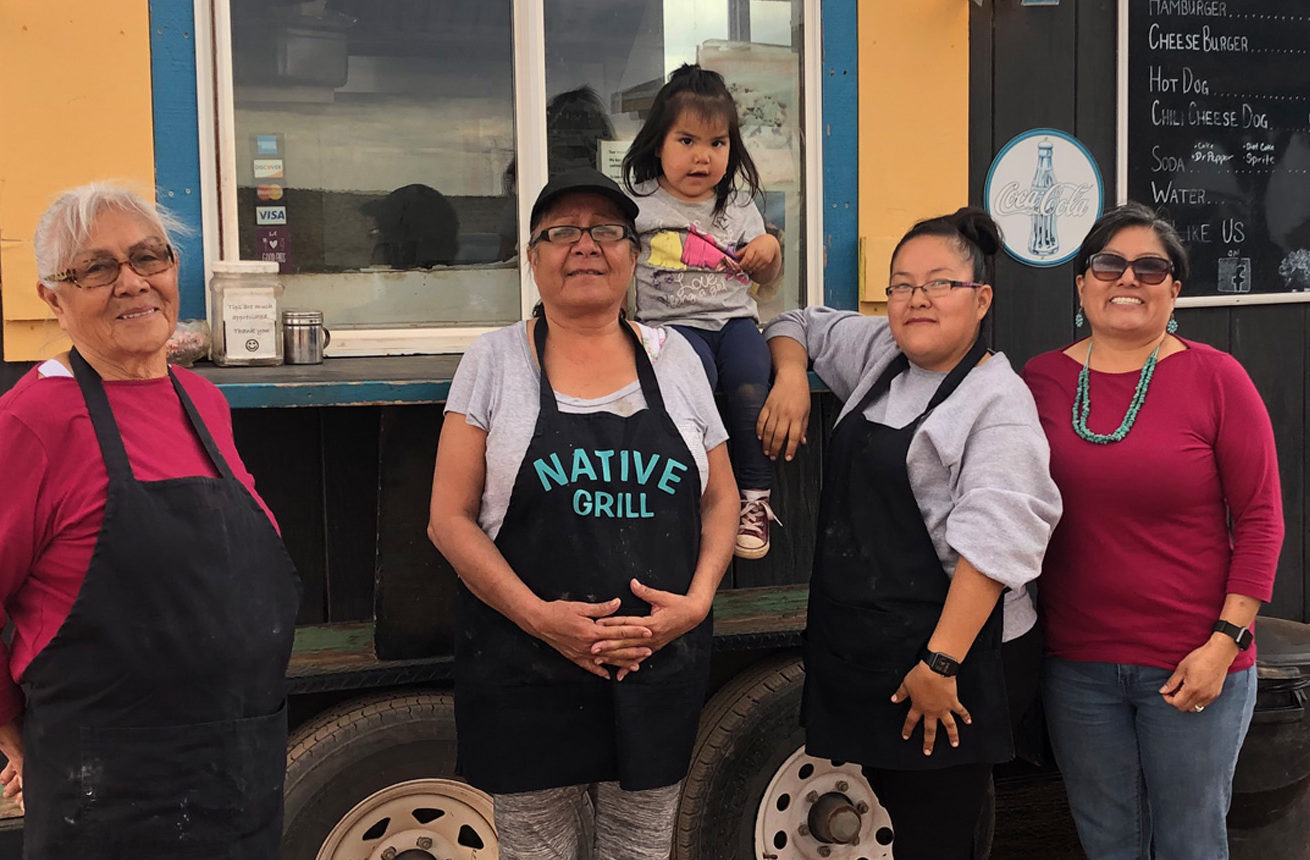
Native Grill

Navajo Nation

Impact

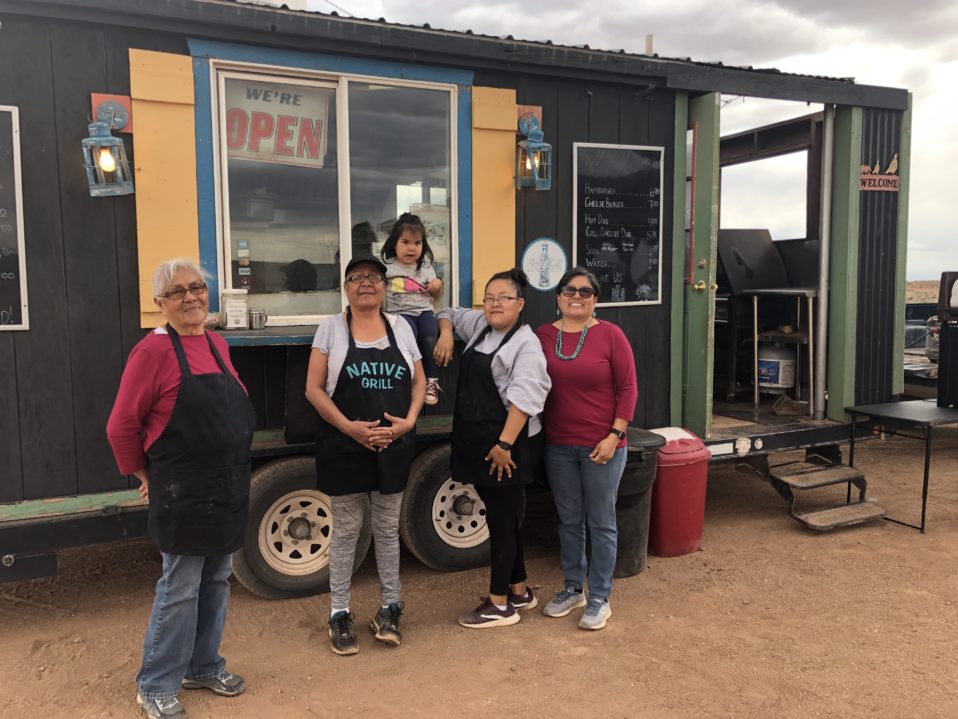
Along with encouraging more travellers to stop at roadside craft cooperatives and artisan markets, Planeterra has partnered with the Native Grill, a DinéHózhó-supported food truck owned and run by the Littleboy family, just outside of Cameron, Arizona. Planeterra has successfully integrated meals at Native Grill for tourism brands like G Adventures, Travelsphere, and Just You, providing a grant for the business to be ready for additional international customers. The Littleboy family and the surrounding community benefit from travellers stopping for a meal and perhaps purchasing handicrafts from local artisans, they can also provide insight into the Indigenous culture of the Dine, while educating travellers on what life is like in Navajo Nation today. 

50
community members benefitting

Critical Need

Besides income earned from natural resources in the region, the Diné (which means “the people”, and is the name Navajo tribes use to refer to themselves in their own language) are engaged in major development initiatives targeted toward health, education, economic development, and employment. Navajo Nation faces a 45% unemployment rate and while federal policies have promoted resource extractive industries, the small business sector remains underdeveloped. Many non-profit organizations, tribal programs, and government entities have made it their mission to change this statistic but even with government funding, technical support, impact assessments, feasibility studies, and financing, these efforts have made very little impact on the Navajo economy overall, and there remains a real need for small business incubation networks, which are appearing more and more.

DinéHózhó aims to integrate Diné/Navajo culture, sustainability, conservation, and local knowledge to realize a placed-based sustainable economy that upholds the Hózhó concept and Diné principles. They further strive to cultivate seeds of capacity building, regional empowerment, and economic livelihoods that transition toward sustainable communities and improves the Diné quality of life.

Our Involvement

Seeing the need for investment in the tourism industry of Navajo Nation, Planeterra reached out to DinéHózhó, a community-based low-profit limited liability company that works with Indigenous-owned businesses to assist in their development and connect them to the tourism industry.

One of the current DinéHózhó initiatives includes working towards the creation of a corridor of locally-owned Diné businesses on the route towards the Grand Canyon East Gate, one of the most travelled roads around this incredibly popular destination.

Planeterra partnered with them to promote travellers visiting their first Diné/Navajo experience on popular routes through the western US region. Planeterra also provided a grant for upgrades to the Native Grill Food Truck, providing extra solar panels, hospitality training, as well as seating and shade for additional guests. 

Read more

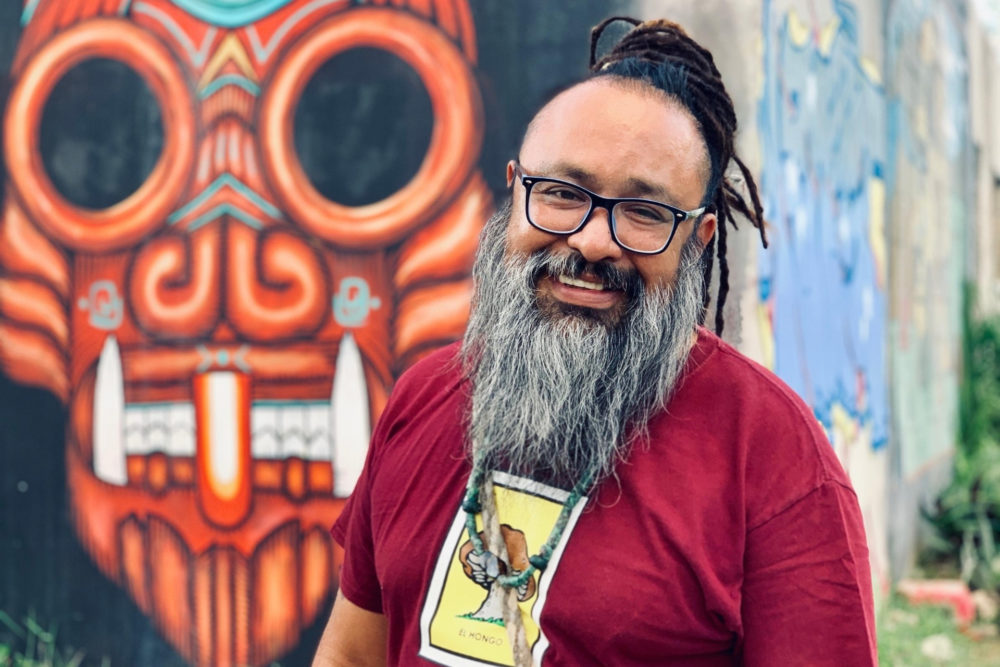
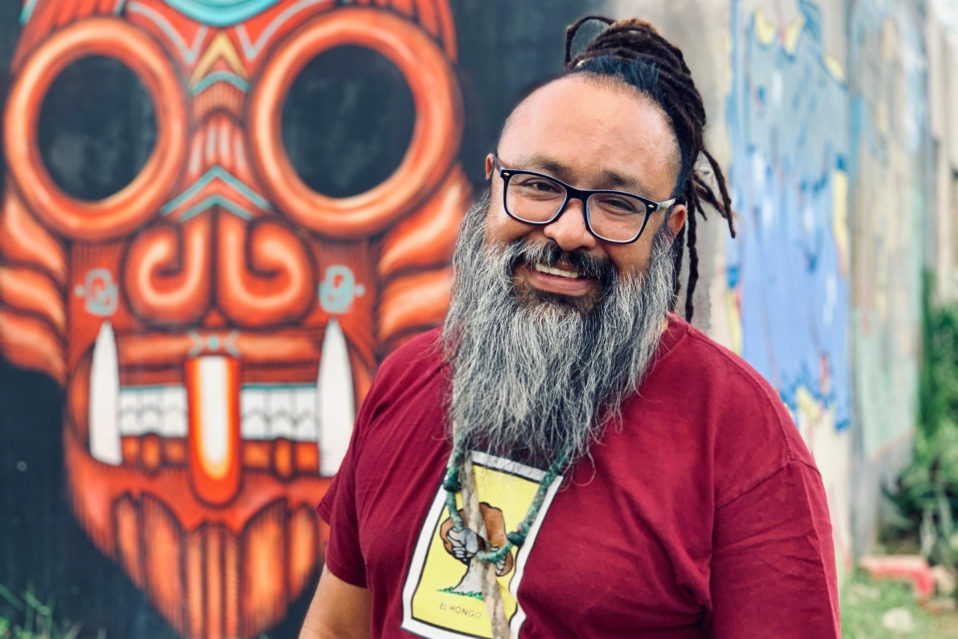
El Hongo

El Hongo

Playa del Carmen, Mexico

Impact

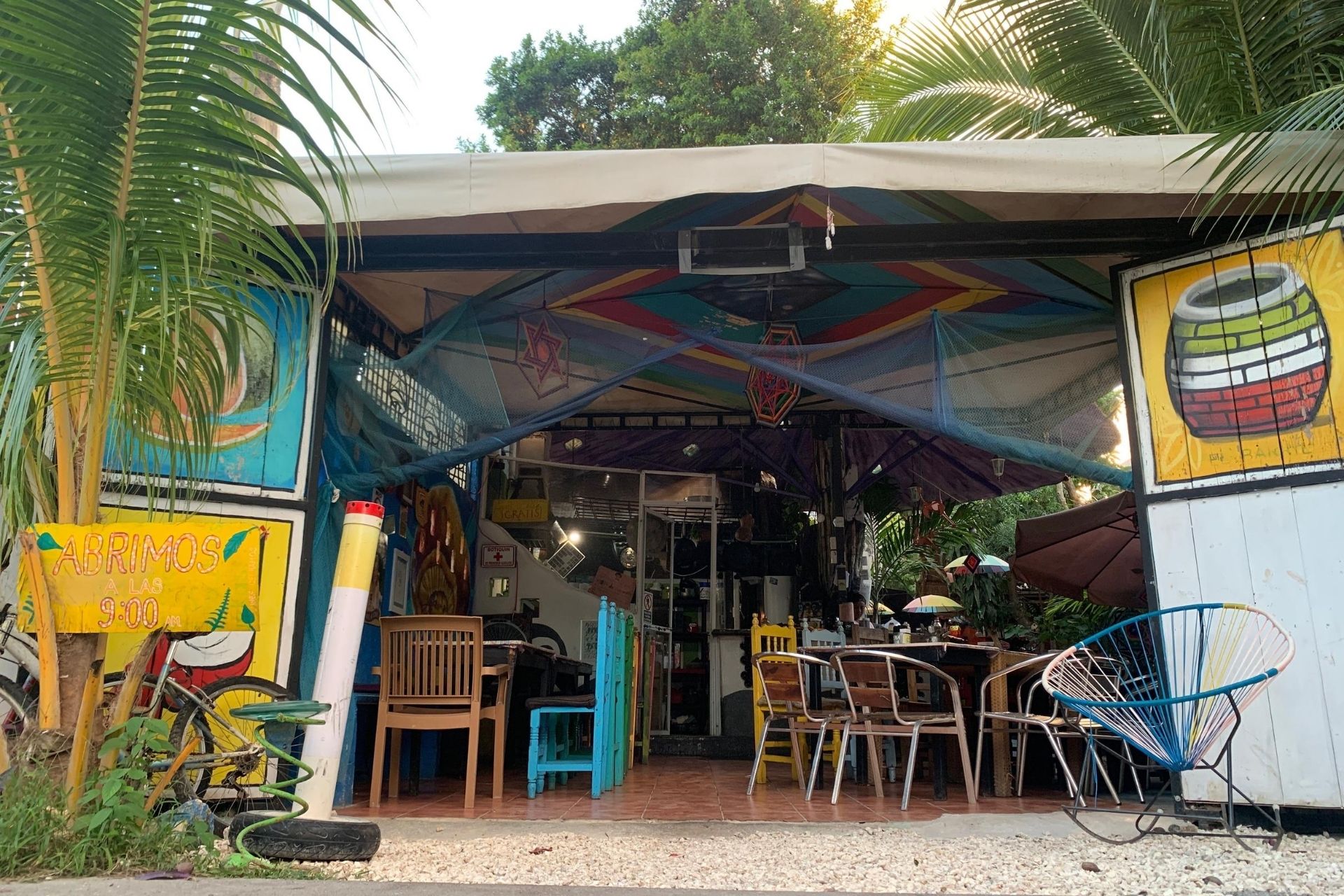
Funds from El Hongo, a restaurant located in Playa del Carmen, are used to support programs including art and cooking lessons, and to pay for the teachers and materials that work with the youth in the area. Art programs are tailored to youth ages 6-15 in Playa and are used to foster creativity and support sustainability and development in their neighbourhoods. More than 60 youth are benefitting from these programs supported by revenue generated from El Hongo. 

60
youth benefitting
120
community members benefitting

Critical Need

Playa del Carmen is one of the fastest growing cities in all of Latin America. It’s one of Mexico’s major tourism destinations and since it’s just outside of Cancun, it is the gateway to the resorts of Riviera Maya and Tulum. The city has changed drastically over the years and now, every store and international brand can be found on the city’s main strip. Most locals live on one side of the main highway, which many travellers do not get to see. Services are not the same there and are much more basic, even the roads remain unpaved.

Our Involvement

El Hongo, “The Mushroom” is a volunteer-run restaurant created as a means to earn income to support Calle 19, a community art program in the “real” Playa del Carmen, Mexico. Volunteers from the community developed El Hongo to clean up the neighbourhood and inspire youth to take part in programs to develop their skills and give them confidence for a brighter future. Planeterra connected El Hongo with our partners at the tour operator G Adventures, who now take their travellers to tour the neighbourhood to see the street art created by the youth who are part of the program and enjoy a meal at the restaurant.

Read more

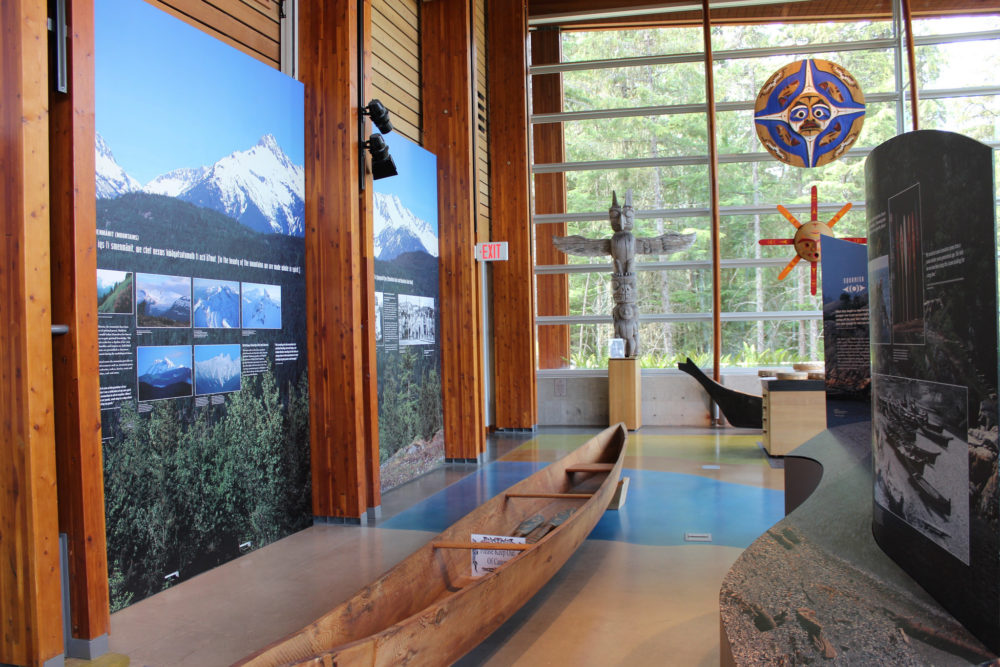
Squamish Lil’wat Cultural Centre

Squamish Lil’wat Cultural Centre

Whistler, Canada

Impact

The Squamish Lil’wat Cultural Centre affords youth from reserves in the region transport for classes, and the opportunity to train in the hospitality industry through on-site museum and cultural tours. Through their partnership with Planeterra and integration into our travel partners’ itineraries, the center is able to increase its visitor numbers, providing more opportunities to expand its training base and the range of visitor activities offered.

410
youth trained since 2008
1,200
community members indirectly benefitting

Critical Need

The colonization of what is now known as Canada, compounded with the implementation of residential schools and the fracturing of families, alongside flu and smallpox epidemics led to the alteration or loss of much of the oral history important to the Squamish and Lil’wat Nations of the Whistler region. There exists a demand for a larger First Nations presence in the area, to ensure the ancient cultures of the Lil’wat and Squamish Nation are protected. There is also a great need for economic opportunities which will benefit youth who live on nearby reserves.

Our Involvement

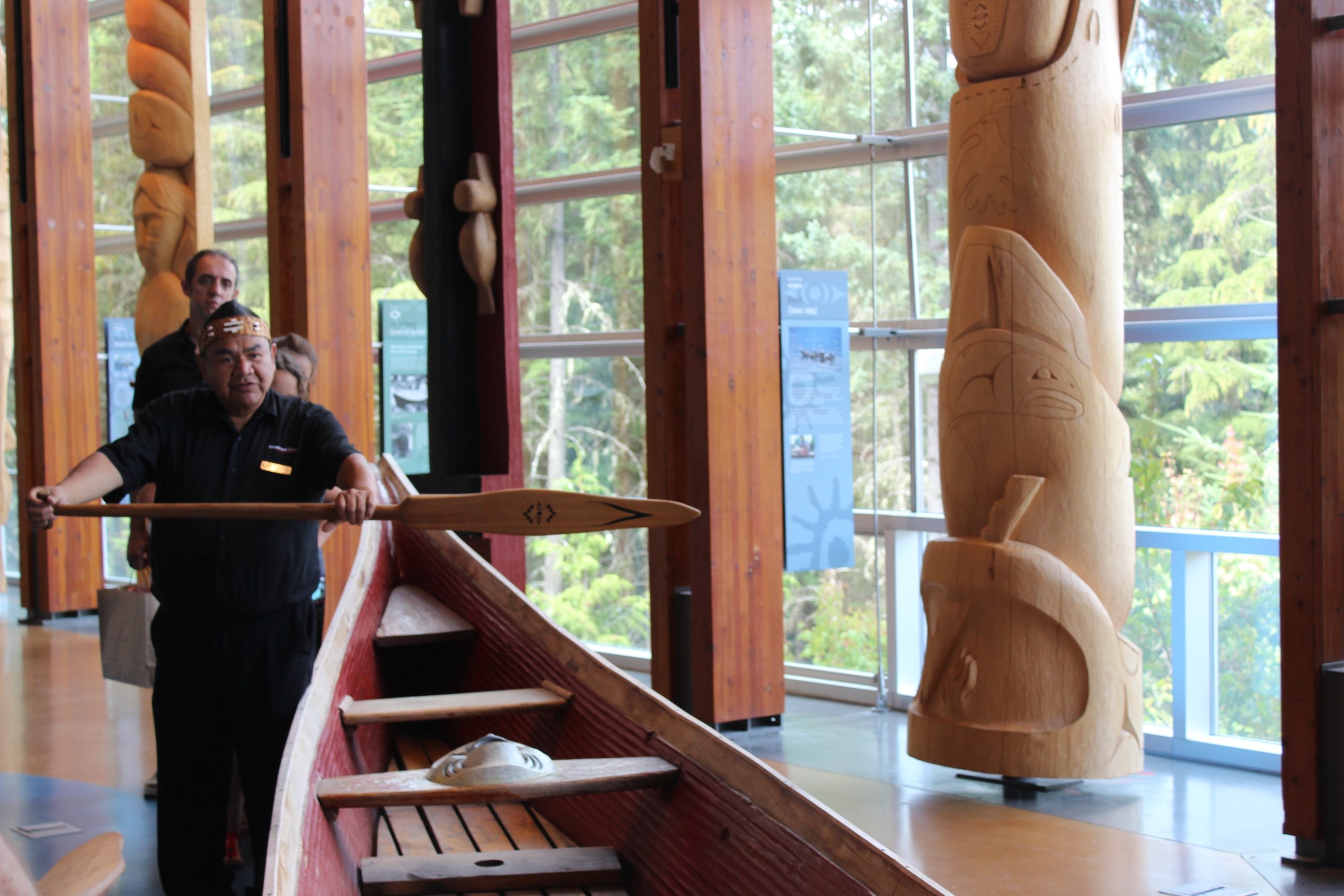
The centre relies on grants and visits to their museum, cafe and other experiences they offer, in order to continue their training programs for youth living on reserves that are often miles away. Planeterra successfully incorporated a visit to the Squamish Lil’wat Cultural Centre into the itineraries of our travel partners to secure a steady influx of visitors for the center. Groups can participate in activities such as a medicinal tea ceremony, bannock tasting, or a tour of the museum and grounds.

Read more

Domari Culture and Craft Experience

Domari Culture and Craft Experience

Jerusalem, Israel

Impact

This project gives an opportunity for Dom women to gain practical skills in hospitality, build their confidence, earn an income, and celebrate their culture. The income from this project is used to further the impactful programs held at the Domari Community Centre. It is the goal of this centre that Dom people become independent, confident, integrated members of society and to promote cultural heritage. Furthermore, travellers will get the privilege to learn about the unique Dom culture and history, many of whom may have never heard of this culture before. The Domari Society continues to invest time and resources into recording the Domari language in writing, which can help preserve a language at risk of being lost.

19
women employed

Critical Need

The Dom (Gypsy) community, located in Jerusalem, face regular discrimination for not being fully integrated into the Israeli or Palestinian societies. Dom children often have lower education levels than other children in Jerusalem, and the women are often underemployed. 

The Domari Society of Gypsies was created as a direct response to this need, opening a Community Centre focused on providing support to children and vocational skills to Dom women. This is also a space for the endangered Domari language to be shared and culture celebrated. Further, the Domari language is spoken and not written. As the Domari cultural identity has weakened due to continued discrimination, many youths have not learned the language.

Our Involvement

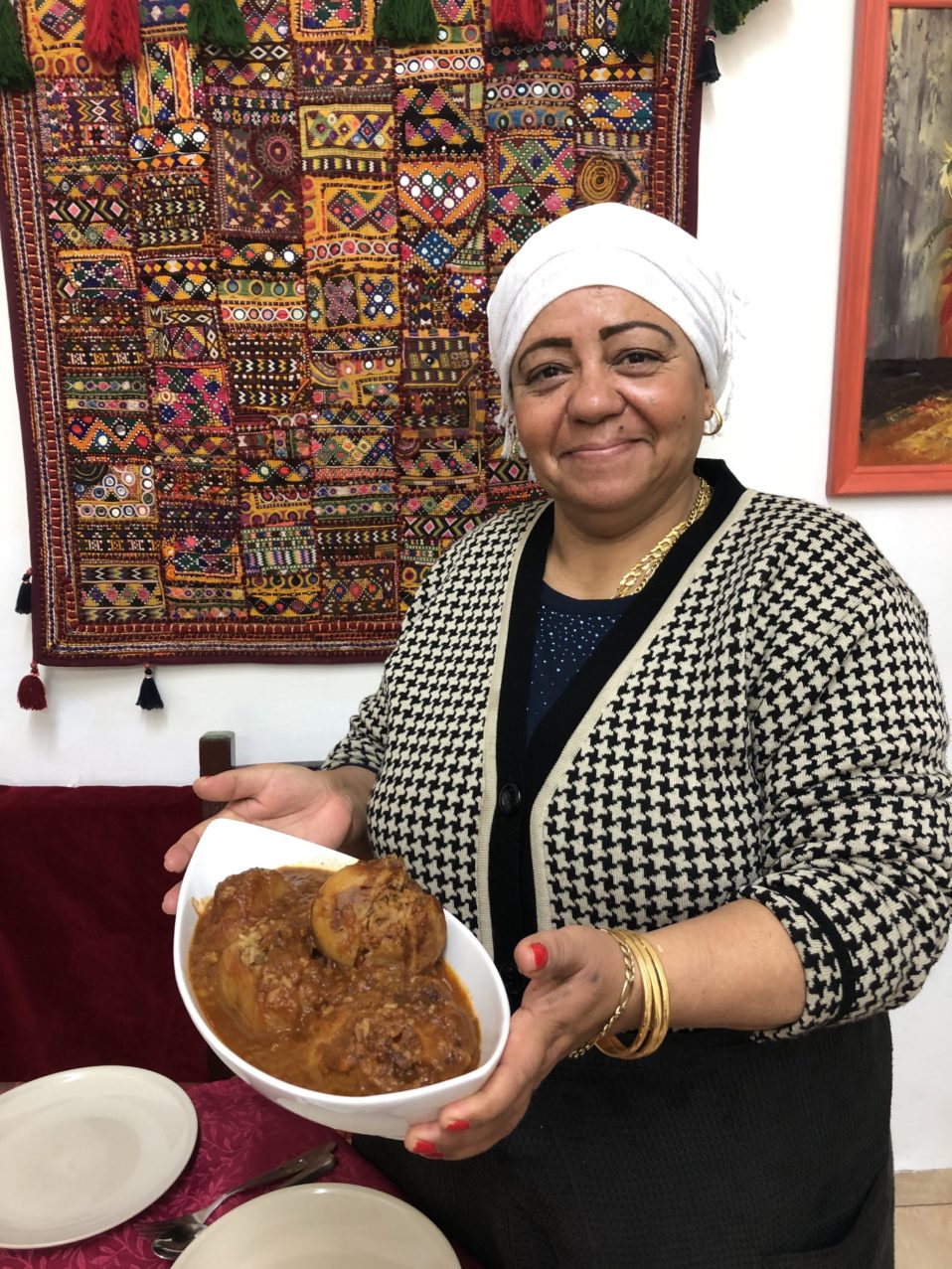
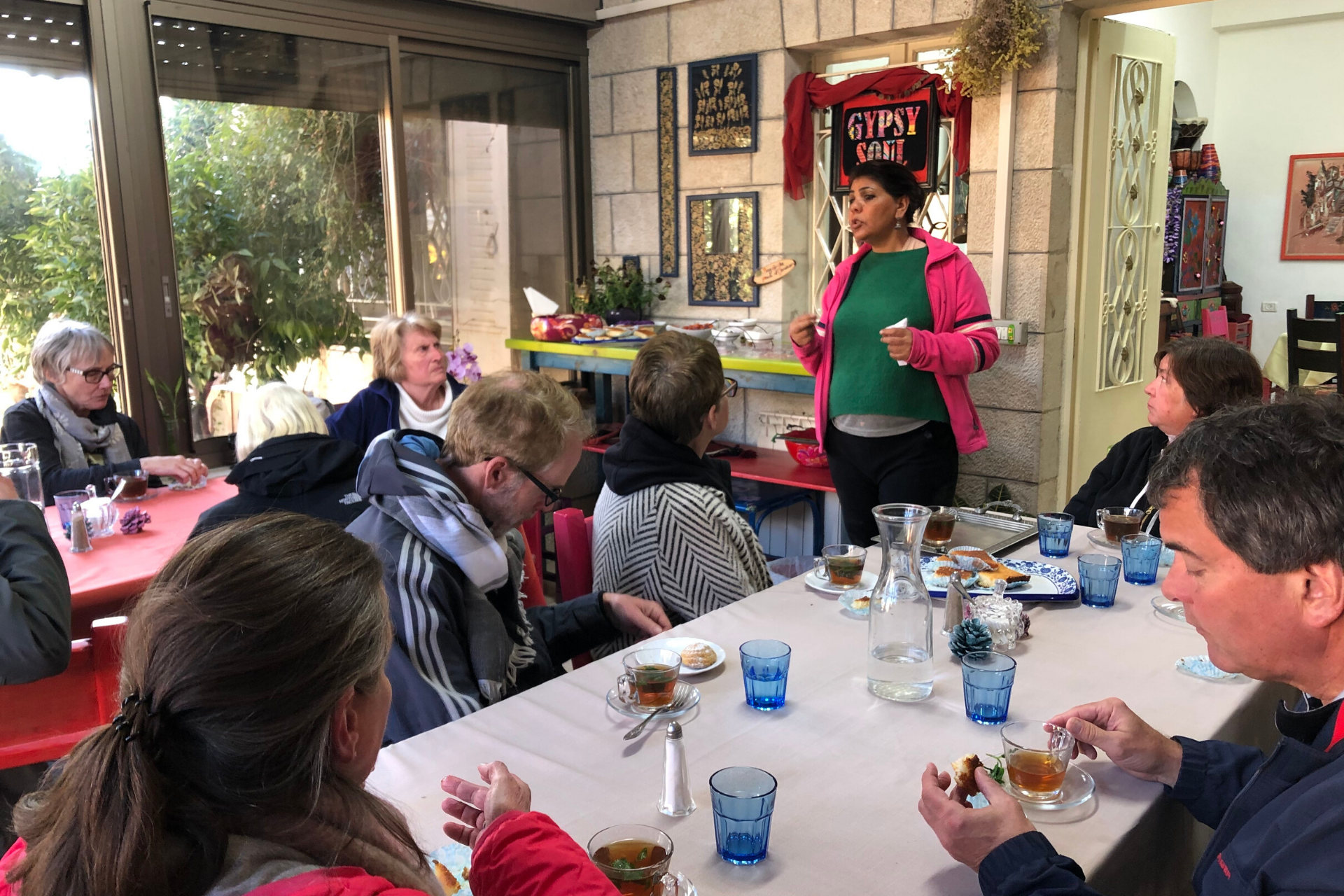
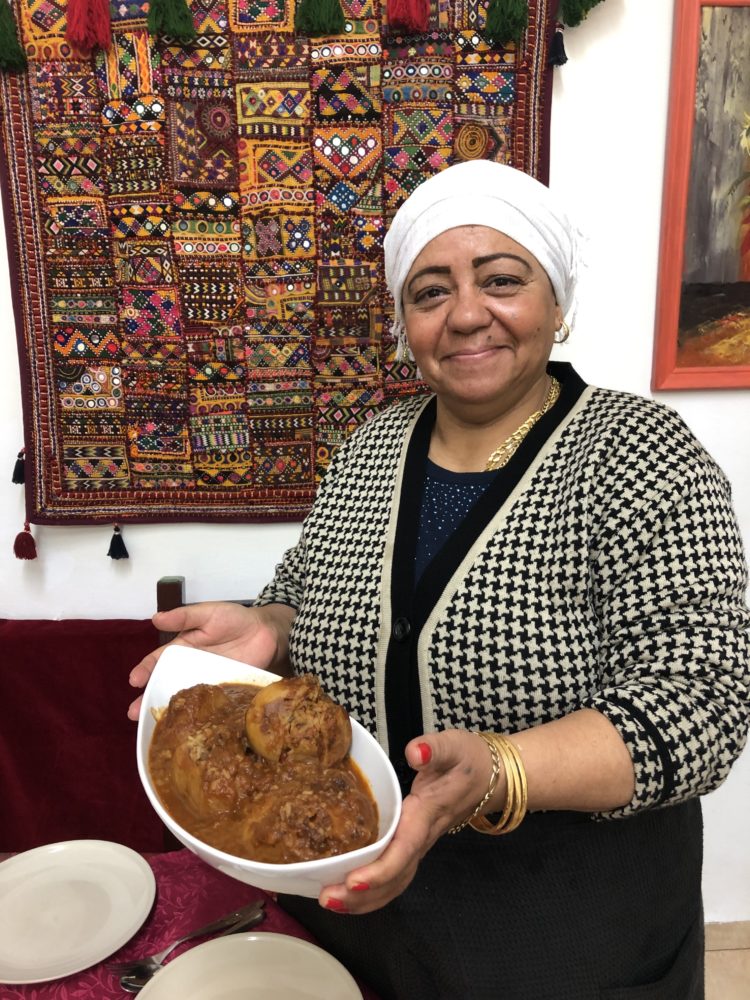
Planeterra supported the Domari Society to create a tourism experience for travellers. For this, a dining area was prepared for travellers to enjoy unique Domari food and culture. Women were trained in hospitality and storytelling, preparing them with basic English skills to better communicate about their culture to travellers.

Further, the handicraft shop at the community centre was improved to promote a better shopping experience for travellers, better supporting Dom artisans across the city.

Read more

Shedia Home

Shedia Home

Athens, Greece

Impact

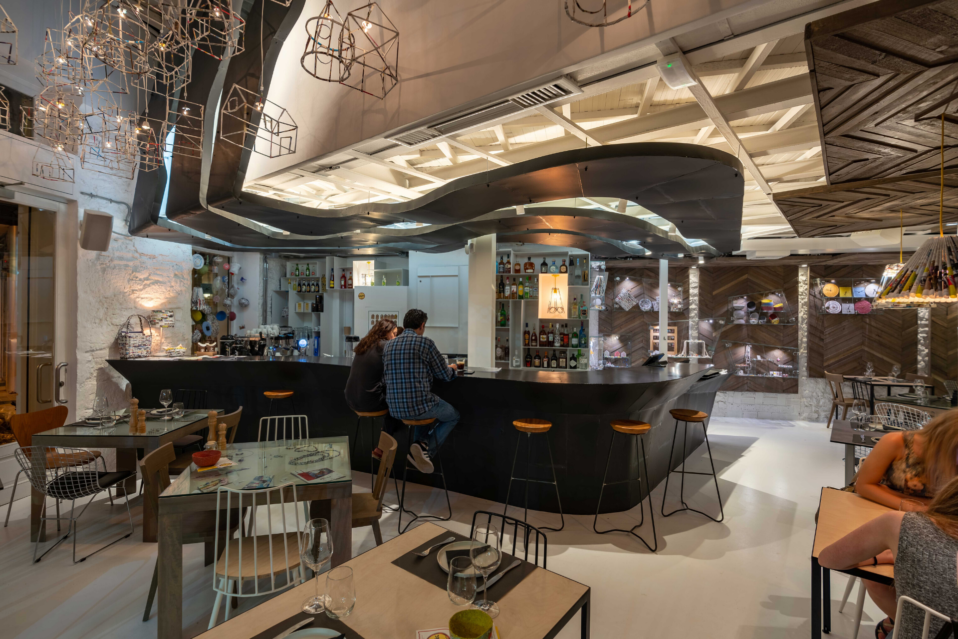
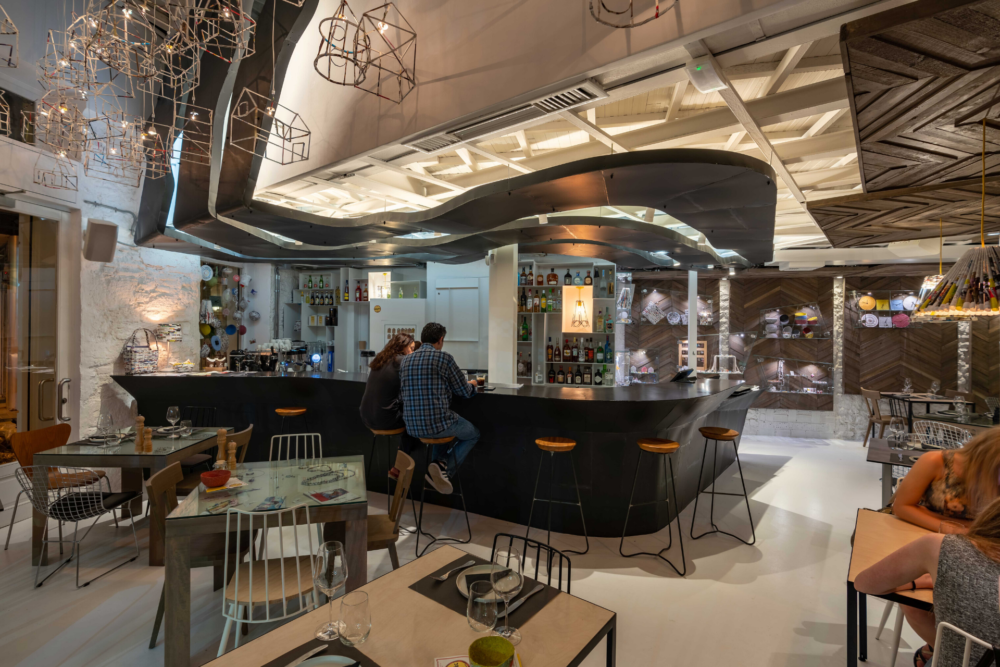
A regular customer base to the brand new Shedia Home, a café which opened in May 2019, provides valuable sustainable income for Shedia’s programs. Planeterra’s partnership with Shedia also increases the visibility of Shedia’s Invisible Tours, a tour of Athens which “makes the invisible, visible” conducted by a guide experiencing homelessness, as well as Shedia’s art project, which trains and employs individuals experiencing homelessness. Look above you when you visit the café – the art installment hanging from the ceiling represents the 43 individuals who now have homes thanks to their connection with Shedia.

250
community members benefitting
1000
community members indirectly benefitting

Critical Need

Homelessness is a significant social issue in Greece, which was exacerbated by the Greek Financial Crisis which started in 2009, during which an estimated 111,000 Greek companies filed for bankruptcy. There is currently no accurate record of how many Athenians are experiencing homelessness, but the official unemployment rate hit almost 28% during the economic crisis that devastated the country over the last few years, with youth unemployment especially surpassing 50%.

Shedia – meaning “raft” in Greek – is a not-for-profit organization that works to employ and empower people experiencing homelessness and social exclusion in Greece. They have a vast number of programs including a soccer team, an upcycling/art project, a street paper, an educational social tour of Athens led by homeless guides, and a café-bar-restaurant in the historical center of the Greek capital called Shedia Home. Through their programs, 150 people experiencing homelessness and social exclusion have been provided with the opportunity, through working and not begging, to earn an income to cover some of their most basic needs, on a daily basis, while 20 full-time employment positions have been created in the recently launched Shedia Home.

Our Involvement

Planeterra has partnered with Shedia Home and connected the café with one of our tourism partners, G Adventures, so it will now be included on itineraries stopping in Athens.

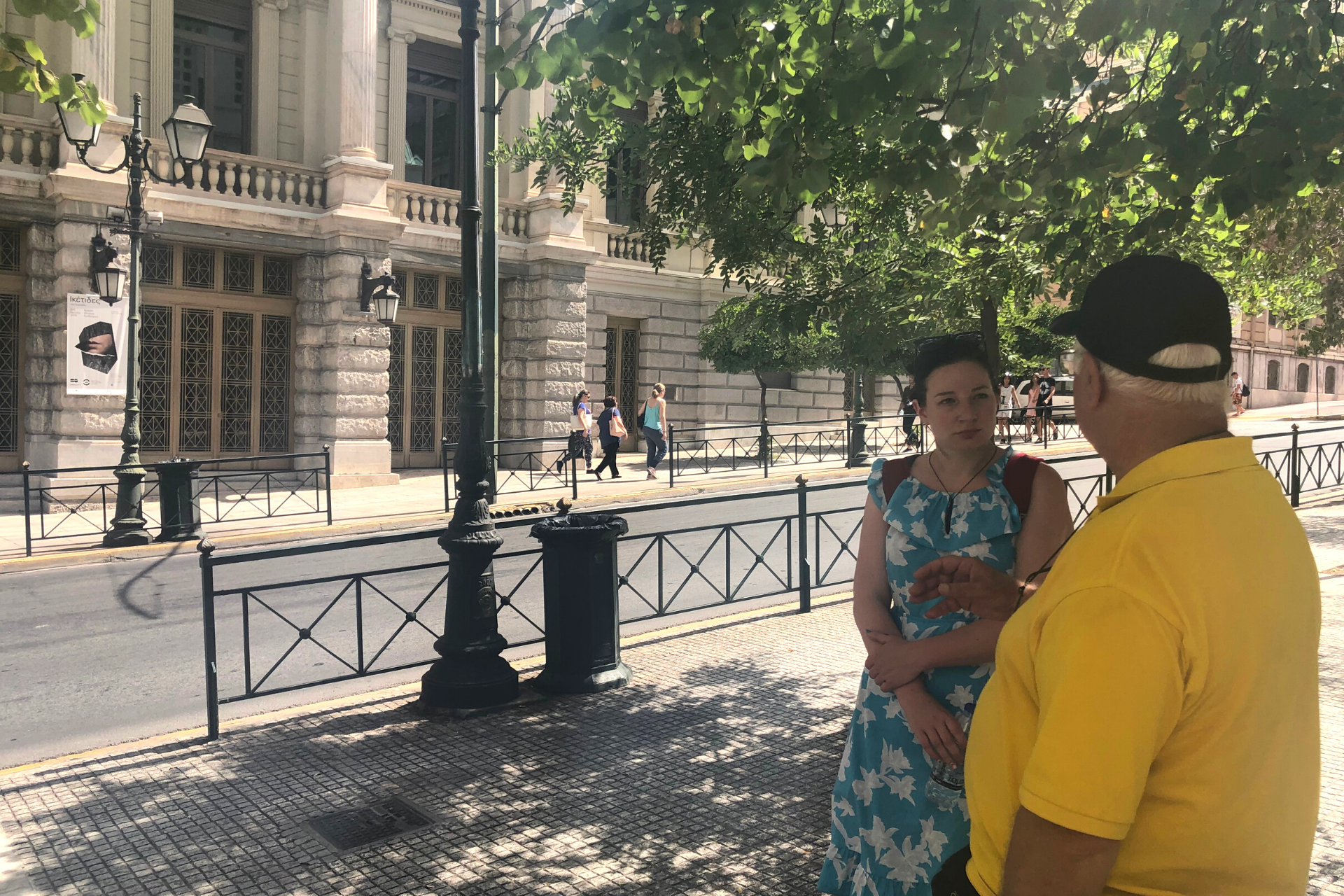
Travellers will get to have a drink at the café and enjoy an educational talk from one of Shedia’s guides, all of whom are experiencing homelessness themselves.

Shedia’s guides give unparalleled insight into what life is like for individuals who are experiencing homelessness and/or social exclusion, and how Shedia’s programs are combatting the crisis.

Read more

Nem Adom Fel

Nem Adom Fel Café & Bar

Budapest, Hungary

Impact

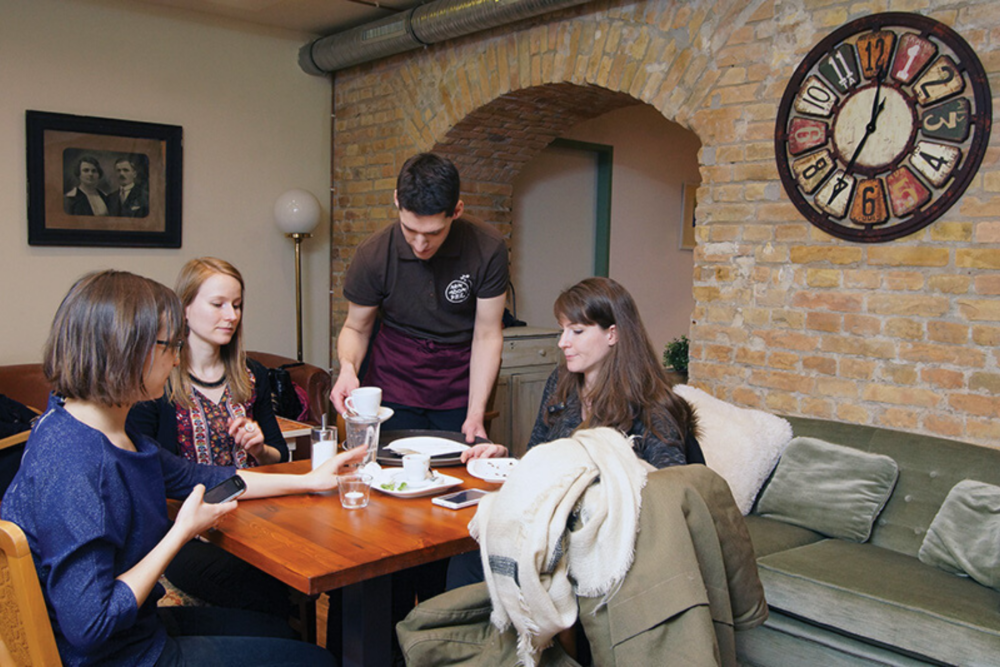
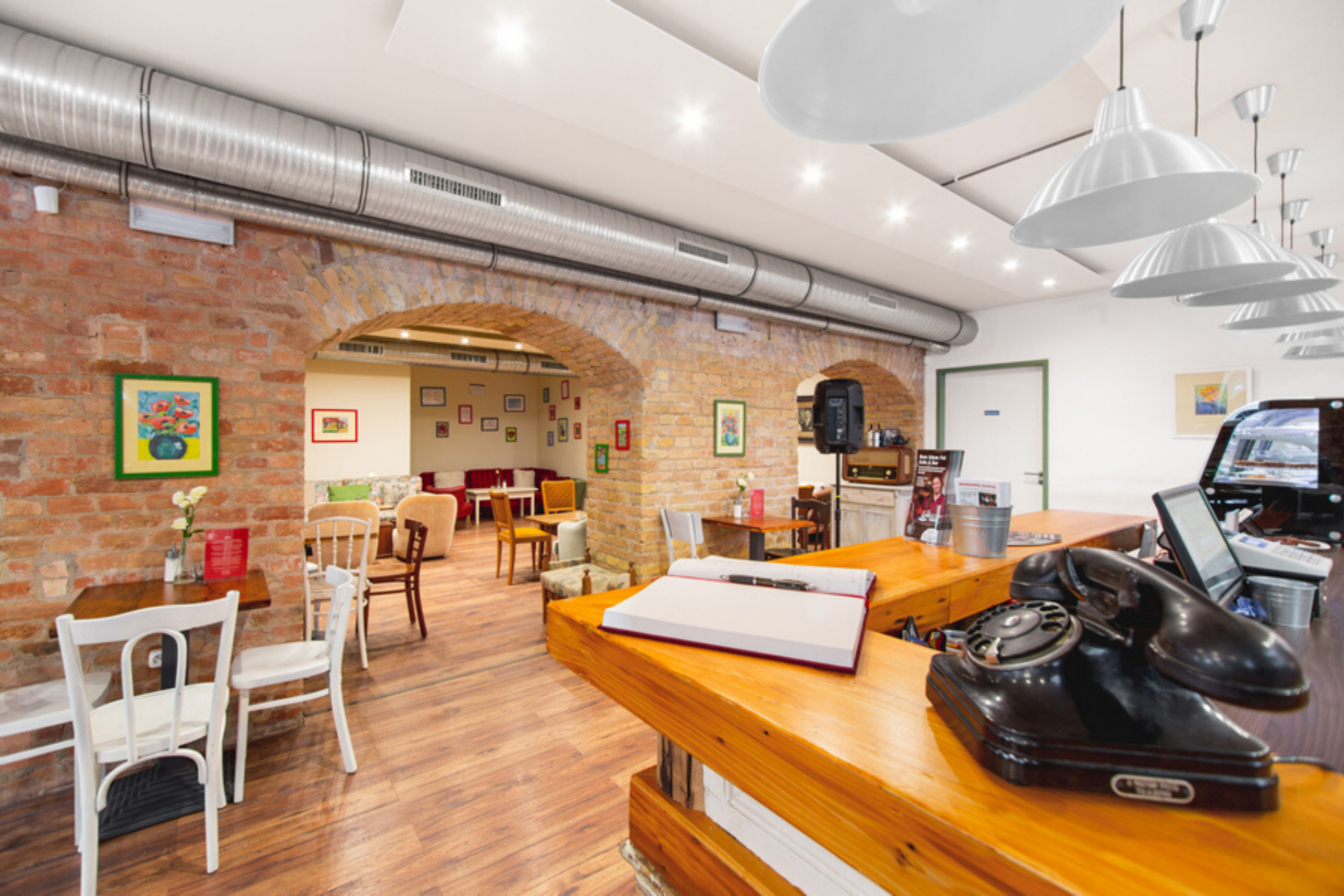
Nem Adom Fel Foundation (meaning ‘I never give up’) was founded in 2005 with the mission to empower differently-abled Hungarians. This includes the Nem Adom Fel Café and Bar, where 90% of employees are differently-abled. With a grant from Planeterra for upgrades to the café, employees are able to better serve customers. The improvements to the café and the connection to travellers also guarantee increased income. The more money the café makes, the more funds can be channeled into the Nem Adom Fel Foundation’s work to advocate for Hungarians living with disabilities, and to invest in their programs that positively impact the lives of Hungary’s Roma communities.

180
people benefiting
90%
of employees are differently abled

Critical Need

Almost 1 million Hungarians are differently-abled either physically or mentally, and there are great disparities in employment rates and education levels between able-bodied Hungarians and Hungarians who are differently-abled. Although recent government legislation and programs have attempted to tackle these issues (and others such as accessibility), with varying degrees of success, there exists a need to empower and employ people who are differently-abled in Hungary. It’s not only those who are differently-abled that are at a disadvantage in these areas – unemployment and education levels are also low for Hungary’s Roma population. Unemployment for the Roma is 3-5 times higher than for other Hungarians, and they are heavily segregated and discriminated against in the country’s education system. Additionally, the Roma in Hungary are more likely to be impoverished, suffer from insufficient housing, and lack of access to healthcare. 

Nem Adom Fel Foundation (meaning ‘I never give up’) was founded in 2005 with the mission to empower differently-abled Hungarians, with a view that everyone has something to give, and everyone can help someone else. They have since expanded this mission to the Roma communities around Hungary, raising funds to create daycare, social support for students, and other community initiatives.

Our Involvement

Planeterra partnered with Nem Adom Fel Foundation in 2018, at first connecting the foundation’s restaurant, the Nem Adom Fel Café and Bar, with tour operator G Adventures, to include a meal stop for their tours visiting Budapest. Planeterra has also supported Nem Adom Fel Foundation with a grant to be used for upgrades to their café’s operations and marketing, as the café sometimes suffers a lack of customers since it opened in 2016.

The staff from the café were able to attend English lessons as a result of this funding, which helps them to serve international clients. Funding also supported an investment into the café’s electrical system, and restocked some of the kitchen’s equipment.
Read more

Solheimar Ecovillage

Solheimar Ecovillage

Golden Circle, Iceland

Impact

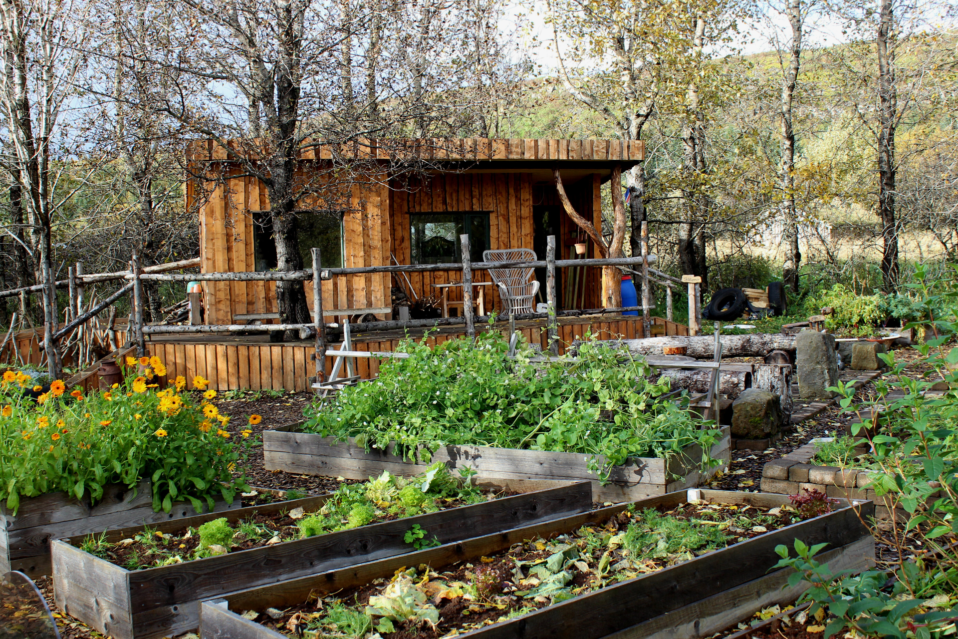
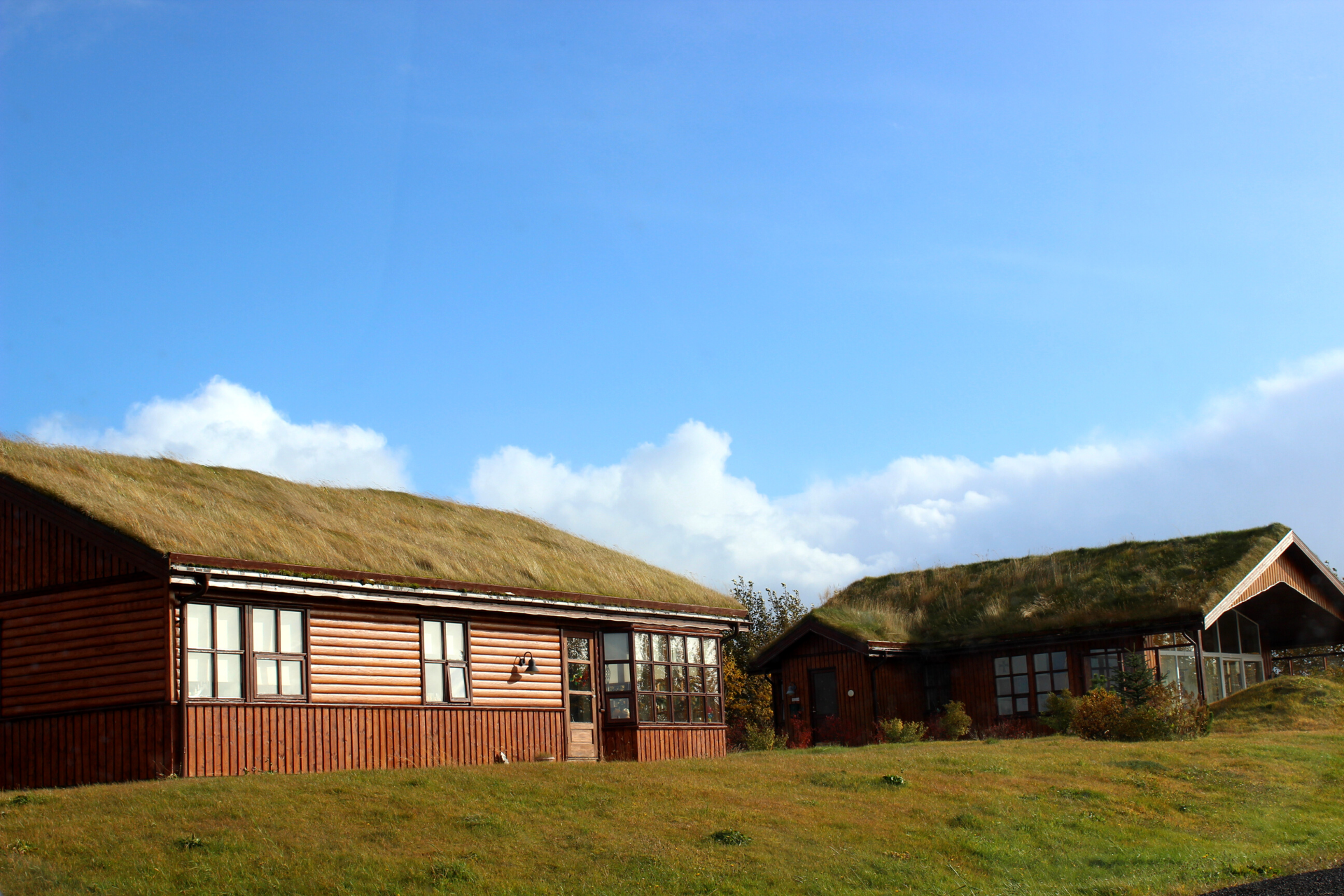
Solheimar is a sustainable community and non-profit organization dedicated to assisting over 100 residents, mostly individuals who are differently-abled. The small village is home to various businesses including a café, various art workshops, organic greenhouses, and guesthouses, giving all residents a sense of empowerment and purpose. Responsible, low-impact tourism to this community contributes to the financial sustainability of the non-profit and provides employment and livelihoods to village residents who otherwise might find it difficult to find economic opportunities.
110
community members benefitting

Critical Need

Discrimination against individuals who are differently-abled is a historic problem seen around the world, which has led to these individuals to be excluded from participation in society in many cases.  Solheimar Ecovillage, a purposeful community in Iceland, is addressing this issue by employing and empowering differently-abled artisans and staff. Founded in 1930, the community’s overall goal is the social inclusion of people from all backgrounds, and the organization is also dedicated to the preservation of nature and promotion of self-sufficient and sustainable living. Solheimar is based on a philosophy of eco-living and the residents support themselves through organic farming and the sale of products made from recycled goods. All activities take place within buildings with green features from construction materials, to energy and water efficiency, to green roofs.
Our Involvement

Through our partnership with Solheimar, Planeterra provided the non-profit with a grant to assist with the renovation and creation of a café for visitors to the ecovillage. Upon completion of the café, Planeterra facilitated a partnership between Solheimar and tour operator partner G Adventures, which means more than 2,000 passengers will be receiving a tour of the community’s numerous workshops and green initiatives, and dining in the newly renovated café.

Read more

Mescladis

Mescladis

Barcelona, Spain

Impact

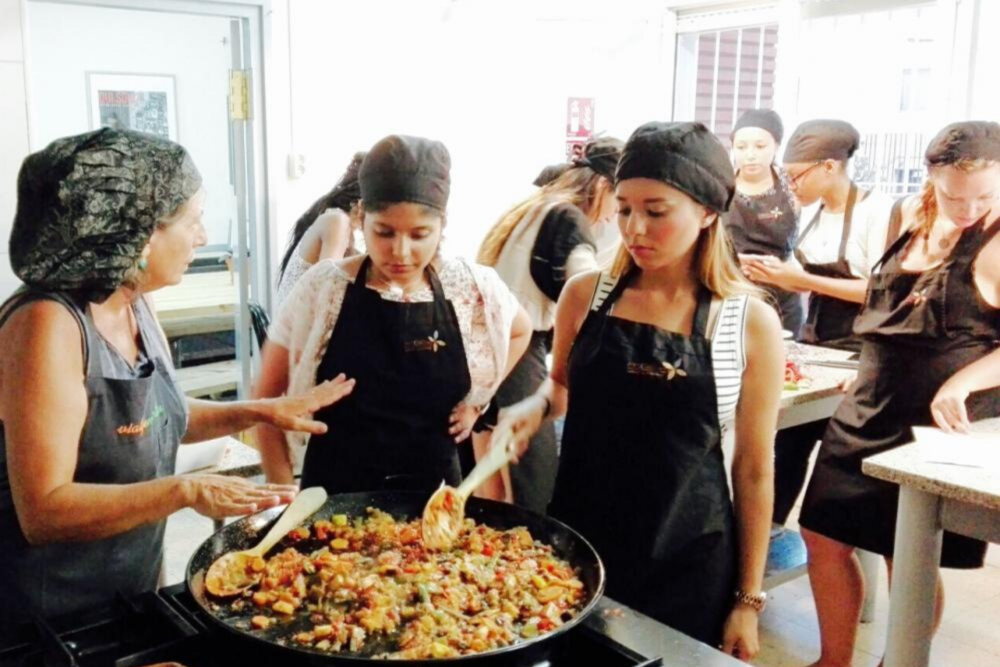
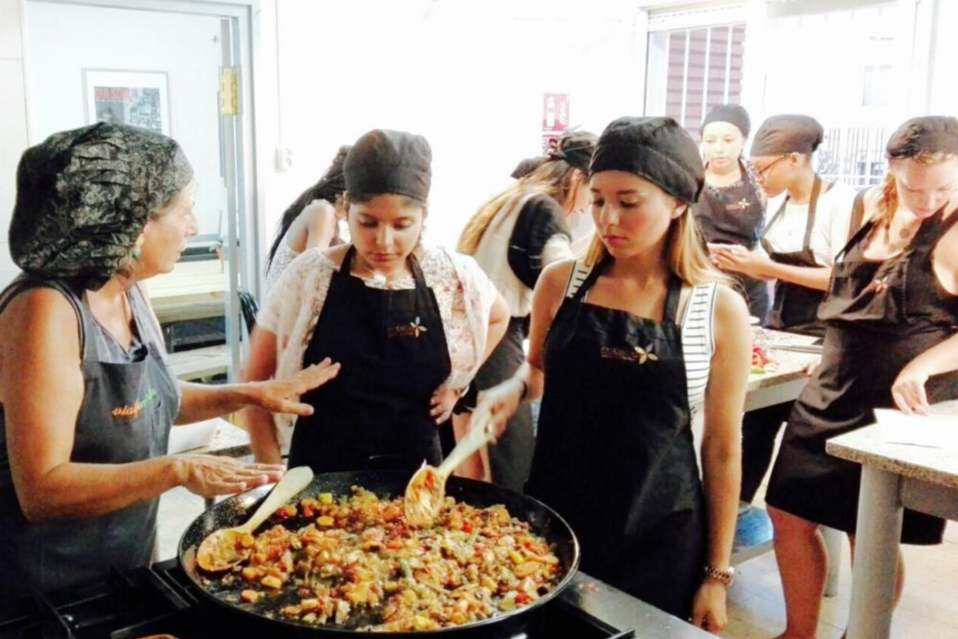
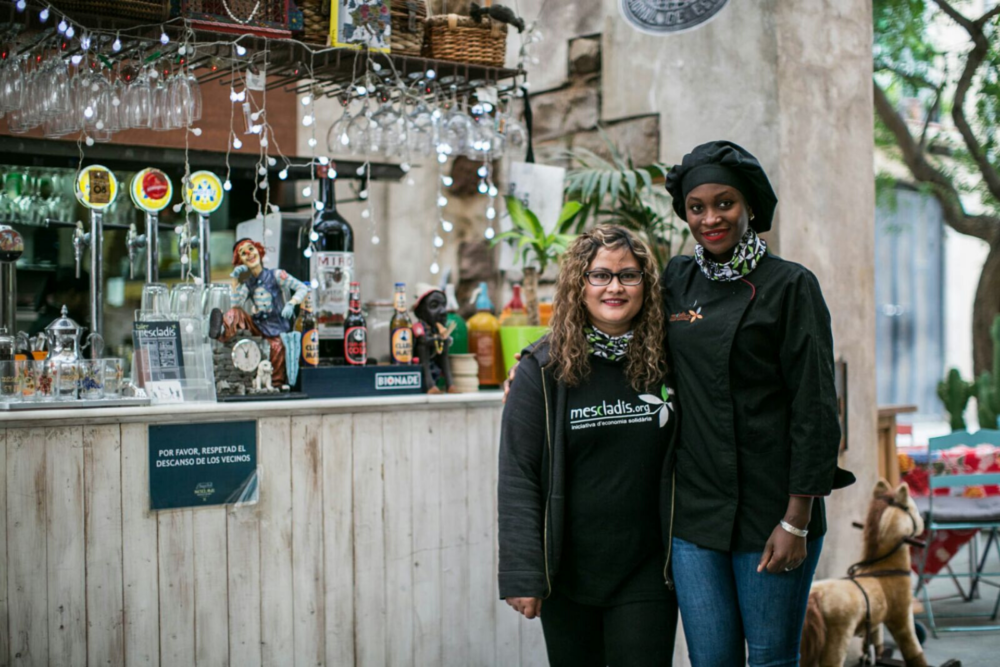
Through the programs at Mescladis, migrants and youth who are unable to access government programs, are given the opportunity to learn how to work in a kitchen and learn practical skills they can use to find employment within the tourism industry. The students and the staff at Mescladis, also have the opportunity to teach tourists about how Spanish culture has blended with other cultures – both historically and more recently – all through serving and preparing delicious meals.

718

people benefitting

Critical Need

The United Nations has indicated that Spain lacks the capacity to deal with the ongoing Europe-wide migrant surge, with some 9,300 individuals arriving in Spain midway through 2017. There is a need for increased social services, resources, and programs that help migrants to integrate into Spanish society and enter the formal economy. With this intention, the Cuinant Oportunitats (Cooking Opportunities) Program at Mescladis emerged, which is a culinary training program for migrants and Spanish youth, most of whom have already passed through social institutions but struggle to find employment.

Our Involvement

Planeterra assists Mescladis with links to a steady market of travellers to increase the impacts of their cooking classes offered to generate income for their programs. Cooking classes for travellers are conducted by students of the culinary school, Cuinant Oportunitats. The experience at Mescladis seeks to create a meeting point between cultures, using the kitchen and food that has been infused with the traditions and flavours of migrants’ home countries as a stepping stone for discussion. 

Read more

Migrantour Naples

Migrantour Naples

Naples, Italy

Impact

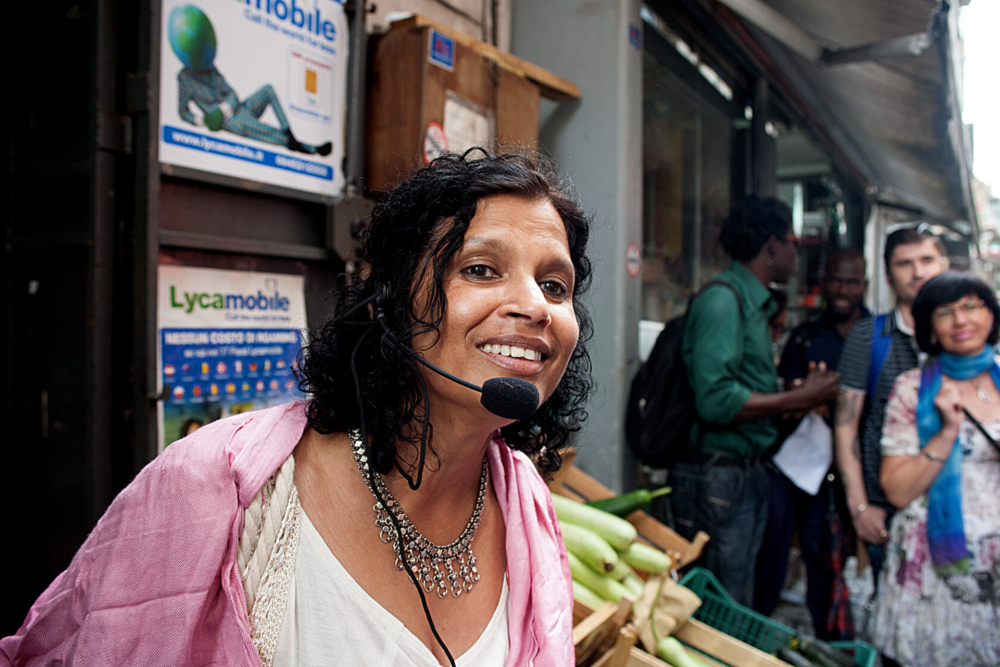
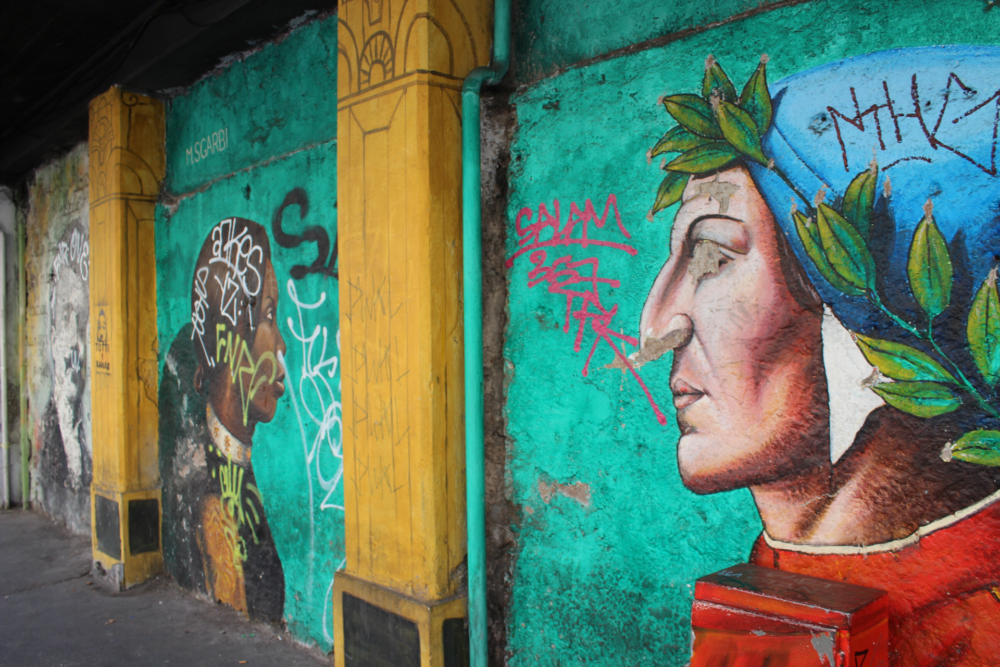
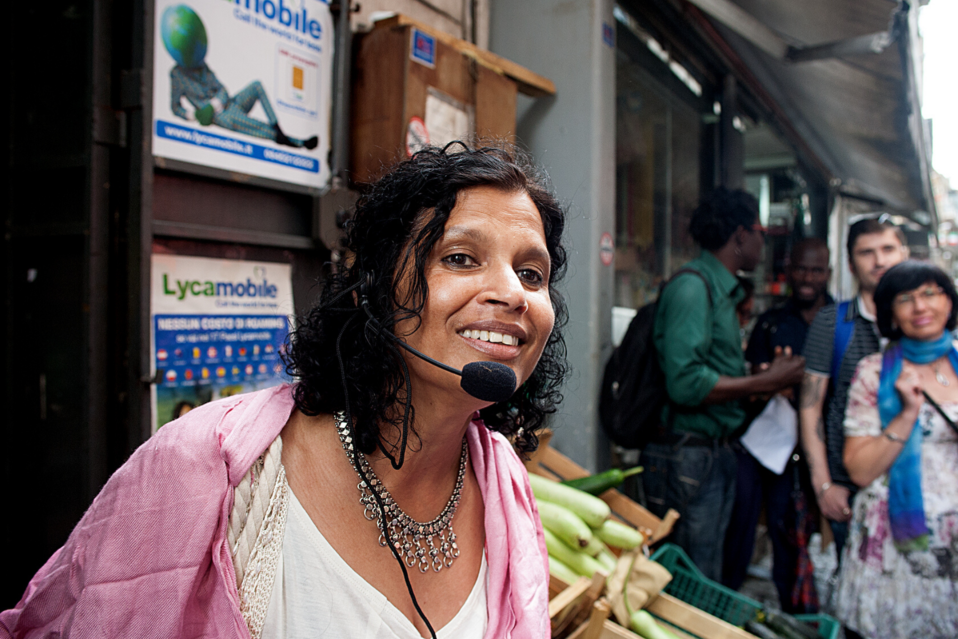
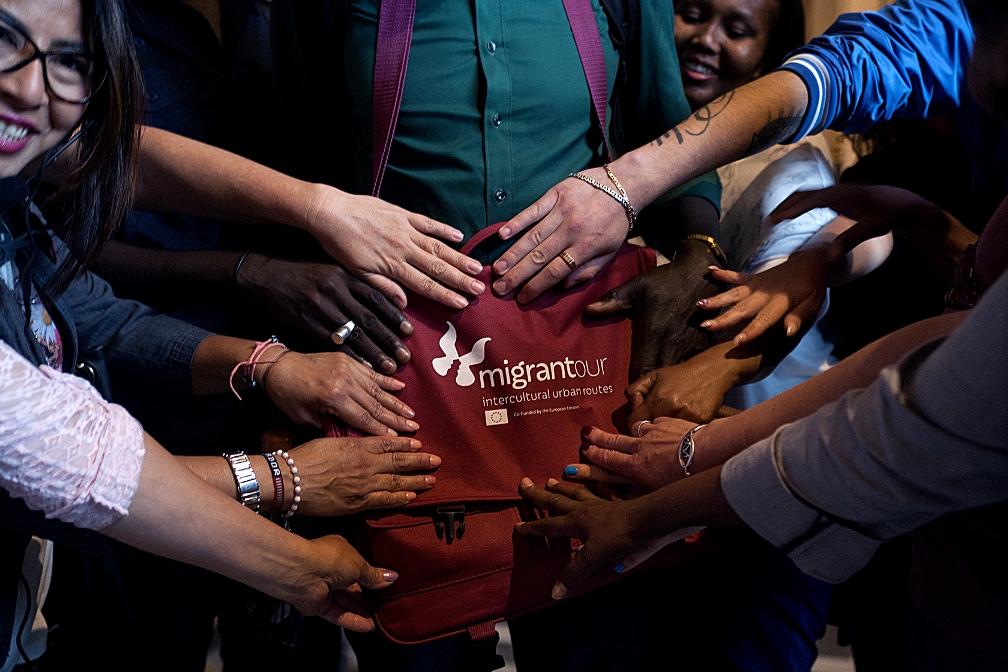
The Casba Social Cooperative runs tours led by migrants to Naples, with the main goal of improving the lives of migrants by fostering acceptance from locals. Tours are created for local Italians, as well as tourists, students and anyone else interested in discovering their area from a fresh perspective to get to know newcomers to their city. Through tour guides who are migrants themselves, locals and travellers are exposed to the beauty created by a melting pot of cultures, languages, and religions living together harmoniously in Naples. Planeterra’s partnership with Casba enabled their tour guides to receive tourism training from a local professional, and also brings in much-needed revenue from tourism for the organization’s efforts.

8
guides employed
24
community members benefitting

Critical Need

Europe currently faces the greatest migration challenge since the end of World War II, with a large number of people seeking refuge from war, poverty, and political instability. More than 500,000 migrants have landed at Italian ports alone since 2014. The Italian government continues to ask the European Union for financial support to manage the flow of migrants, mostly arriving from North Africa, but the flow of migrants to the country continues to grow. There is a need to develop avenues through which various communities can integrate in a way that appreciates and celebrates diversity and inclusion.

Our Involvement

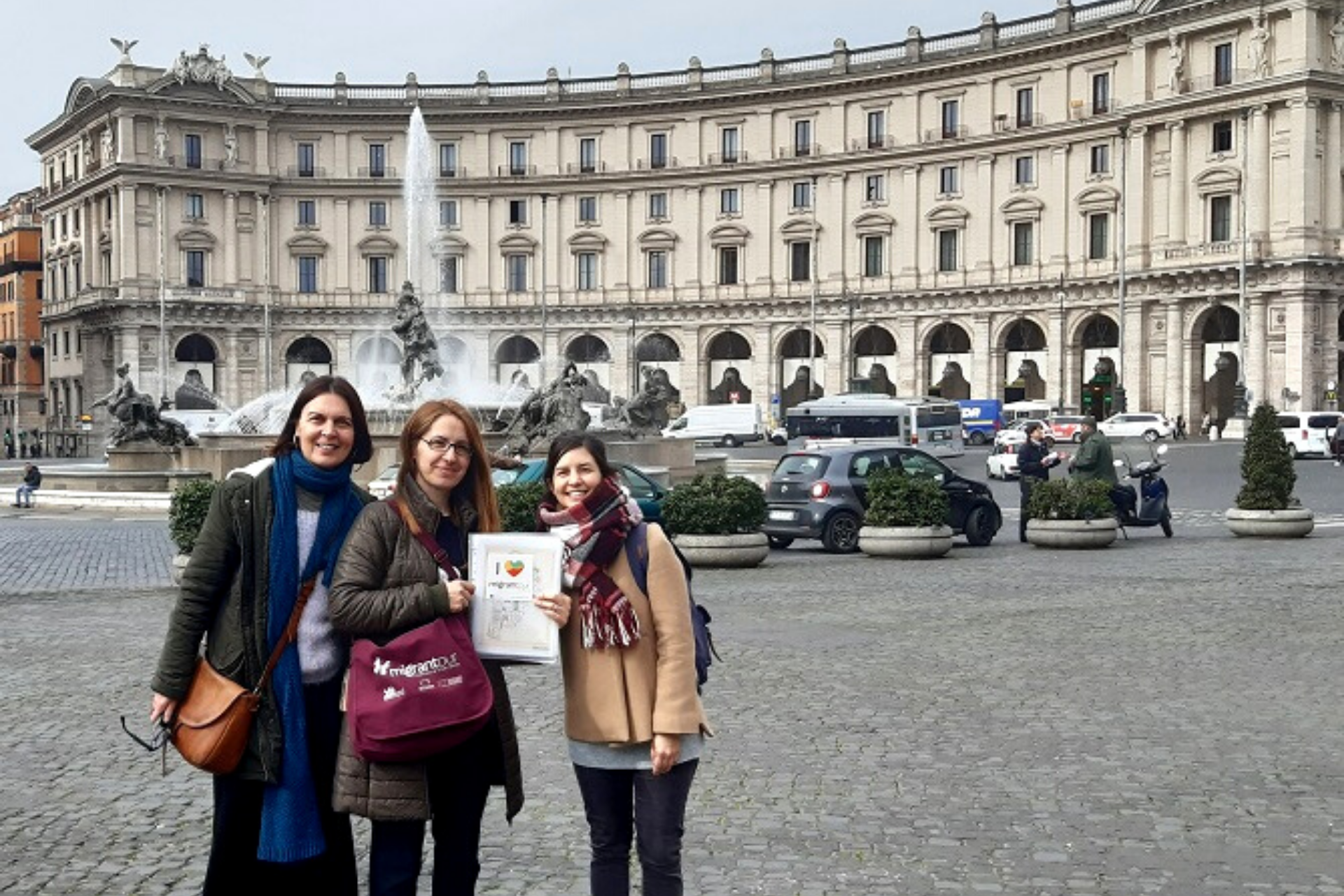
Planeterra partnered with Casba Social Cooperative in 2018, connecting the organization with a steady stream of travellers for their walking tours. The Casba Social Cooperative is a non-governmental organization and cultural mediator that works with migrants to help them integrate and become more accepted into Naples society, avoiding the spread of negative stereotypes, considering diversity as a resource. Planeterra’s partnership with Migrantour Naples and Casba allows travellers to learn about aspects of Naples that have been influenced by new cultures and religions brought by newcomers to the city they now call home. Planeterra provided funding for local training for Casba’s guides, as well as guidance from a tourism professional on product development, as well as public speaking and storytelling. 

.
Read more

Migrantour Rome

Migrantour Rome

Rome, Italy

Impact

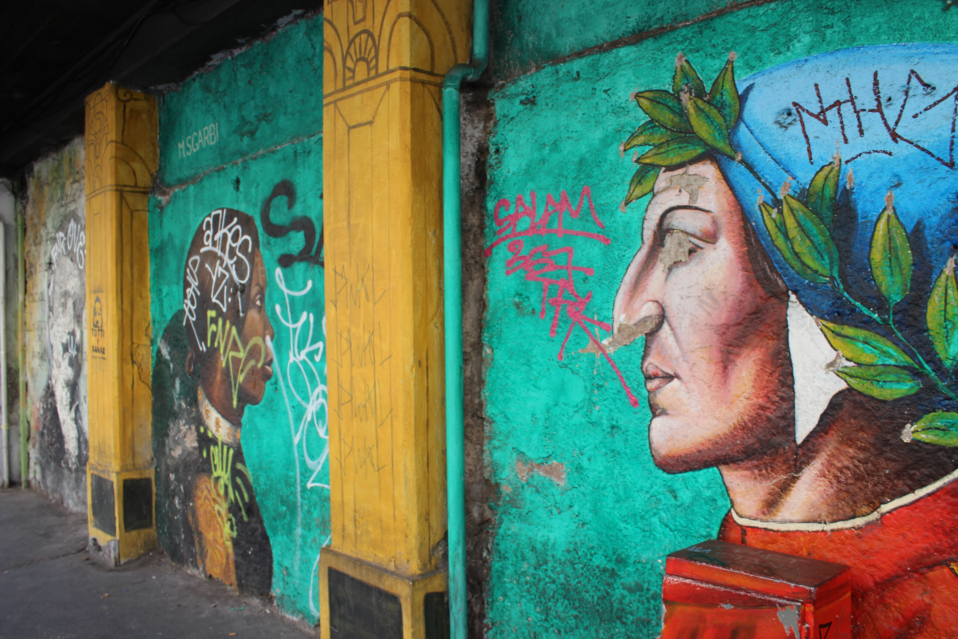
Through tour guides who are migrants themselves, travellers are exposed to the history of migration in Rome, and the beauty created by a melting pot of cultures, languages, and religions living together harmoniously. At the same time, newcomers are placed at the heart of the proposal, sharing their fresh perspective and multiplying the opportunities for meeting and dialogue. Not only does Planeterra’s partnership with Migrantour Rome help to spread their message, but also brings in much-needed revenue from tourism for the organization’s efforts across Europe through Planeterra’s links in the tourism industry.

7
guides employed
331
community members benefitting

Critical Need

Europe currently faces the greatest migration challenge since the end of World War II, with a large number of people seeking refuge from war, poverty, and political instability. More than 500,000 migrants have landed at Italian ports alone since 2014.

The Italian government continues to ask the European Union for financial support to manage the flow of migrants, mostly arriving from North Africa, but the flow of migrants to the country continues to grow. There exists a drastic need for economic opportunities and social programs for migrants entering Italy in search of a better life.

Our Involvement

Viaggi Solidali is a social cooperative operating since 2004 that promotes responsible tourism. In 2010, they conceived and developed the Migrantour project in Turin, which has since extended to other cities. Migrantour Rome is part of Viaggi Solidali, while the Migrantour network extends to other European cities managed by different non-profit organizations

Partnering with Planeterra, Migrantour Rome created an “alternative” tour that shows the multiculturalism, and hidden gems of Rome that make the city unique and diverse. Guests participate in a tour led by a newcomer to the city, who takes them to various shops, associations and places of worship for a wholesome intercultural experience that tourists in Rome rarely see.

Read more